
Advertisement
Research ArticleMetabolismMuscle biology
Open Access |  10.1172/JCI195411
Distinct HIF1α and HIF2α functions control skeletal muscle metabolism and erythropoiesis
Junhyeong Lee,1,2 Merc Emil Matienzo,1,2 Sangyi Lim,1,2 Edzel Evallo,1,2 Yeongsin Kim,1 Sujin Jang,1 Keon Kim,2,3 Chang Hyeon Choi,2,3 Youn Ho Han,4 Chang-Min Lee,2,3 Tae-Il Jeon,5 Sang-Ik Park,2,6 Jun Wu,7,8 Dong-il Kim,1,2 and Min-Jung Park1
1Department of Veterinary Physiology, College of Veterinary Medicine,
2College of Veterinary Medicine and BK21 FOUR Program, and
3Department of Veterinary Internal Medicine, College of Veterinary Medicine, Chonnam National University, Gwangju, South Korea.
4Department of Oral Pharmacology, College of Dentistry, Wonkwang University, Iksan, South Korea.
5Department of Animal Science and
6Department of Veterinary Pathology, College of Veterinary Medicine, Chonnam National University, Gwangju, South Korea.
7Department of Molecular and Integrative Physiology, University of Michigan Medical School, Ann Arbor, Michigan, USA.
8Life Sciences Institute, University of Michigan, Ann Arbor, Michigan, USA.
Address correspondence to: Dong-il Kim or Min-Jung Park, Room 209, College of Veterinary Medicine Bd1, Chonnam National University, 77, Yongbong-ro, Buk-gu, Gwangju 61186, South Korea. Phone: 82.62.530.2832; Email: kimdi@chonnam.ac.kr (DK). Phone: 82.62.530.2810; Email: mjpark@chonnam.ac.kr (MJP).
Find articles by Lee, J. in: PubMed | Google Scholar
1Department of Veterinary Physiology, College of Veterinary Medicine,
2College of Veterinary Medicine and BK21 FOUR Program, and
3Department of Veterinary Internal Medicine, College of Veterinary Medicine, Chonnam National University, Gwangju, South Korea.
4Department of Oral Pharmacology, College of Dentistry, Wonkwang University, Iksan, South Korea.
5Department of Animal Science and
6Department of Veterinary Pathology, College of Veterinary Medicine, Chonnam National University, Gwangju, South Korea.
7Department of Molecular and Integrative Physiology, University of Michigan Medical School, Ann Arbor, Michigan, USA.
8Life Sciences Institute, University of Michigan, Ann Arbor, Michigan, USA.
Address correspondence to: Dong-il Kim or Min-Jung Park, Room 209, College of Veterinary Medicine Bd1, Chonnam National University, 77, Yongbong-ro, Buk-gu, Gwangju 61186, South Korea. Phone: 82.62.530.2832; Email: kimdi@chonnam.ac.kr (DK). Phone: 82.62.530.2810; Email: mjpark@chonnam.ac.kr (MJP).
Find articles by Matienzo, M. in: PubMed | Google Scholar
1Department of Veterinary Physiology, College of Veterinary Medicine,
2College of Veterinary Medicine and BK21 FOUR Program, and
3Department of Veterinary Internal Medicine, College of Veterinary Medicine, Chonnam National University, Gwangju, South Korea.
4Department of Oral Pharmacology, College of Dentistry, Wonkwang University, Iksan, South Korea.
5Department of Animal Science and
6Department of Veterinary Pathology, College of Veterinary Medicine, Chonnam National University, Gwangju, South Korea.
7Department of Molecular and Integrative Physiology, University of Michigan Medical School, Ann Arbor, Michigan, USA.
8Life Sciences Institute, University of Michigan, Ann Arbor, Michigan, USA.
Address correspondence to: Dong-il Kim or Min-Jung Park, Room 209, College of Veterinary Medicine Bd1, Chonnam National University, 77, Yongbong-ro, Buk-gu, Gwangju 61186, South Korea. Phone: 82.62.530.2832; Email: kimdi@chonnam.ac.kr (DK). Phone: 82.62.530.2810; Email: mjpark@chonnam.ac.kr (MJP).
Find articles by Lim, S. in: PubMed | Google Scholar
1Department of Veterinary Physiology, College of Veterinary Medicine,
2College of Veterinary Medicine and BK21 FOUR Program, and
3Department of Veterinary Internal Medicine, College of Veterinary Medicine, Chonnam National University, Gwangju, South Korea.
4Department of Oral Pharmacology, College of Dentistry, Wonkwang University, Iksan, South Korea.
5Department of Animal Science and
6Department of Veterinary Pathology, College of Veterinary Medicine, Chonnam National University, Gwangju, South Korea.
7Department of Molecular and Integrative Physiology, University of Michigan Medical School, Ann Arbor, Michigan, USA.
8Life Sciences Institute, University of Michigan, Ann Arbor, Michigan, USA.
Address correspondence to: Dong-il Kim or Min-Jung Park, Room 209, College of Veterinary Medicine Bd1, Chonnam National University, 77, Yongbong-ro, Buk-gu, Gwangju 61186, South Korea. Phone: 82.62.530.2832; Email: kimdi@chonnam.ac.kr (DK). Phone: 82.62.530.2810; Email: mjpark@chonnam.ac.kr (MJP).
Find articles by Evallo, E. in: PubMed | Google Scholar
1Department of Veterinary Physiology, College of Veterinary Medicine,
2College of Veterinary Medicine and BK21 FOUR Program, and
3Department of Veterinary Internal Medicine, College of Veterinary Medicine, Chonnam National University, Gwangju, South Korea.
4Department of Oral Pharmacology, College of Dentistry, Wonkwang University, Iksan, South Korea.
5Department of Animal Science and
6Department of Veterinary Pathology, College of Veterinary Medicine, Chonnam National University, Gwangju, South Korea.
7Department of Molecular and Integrative Physiology, University of Michigan Medical School, Ann Arbor, Michigan, USA.
8Life Sciences Institute, University of Michigan, Ann Arbor, Michigan, USA.
Address correspondence to: Dong-il Kim or Min-Jung Park, Room 209, College of Veterinary Medicine Bd1, Chonnam National University, 77, Yongbong-ro, Buk-gu, Gwangju 61186, South Korea. Phone: 82.62.530.2832; Email: kimdi@chonnam.ac.kr (DK). Phone: 82.62.530.2810; Email: mjpark@chonnam.ac.kr (MJP).
Find articles by Kim, Y. in: PubMed | Google Scholar
1Department of Veterinary Physiology, College of Veterinary Medicine,
2College of Veterinary Medicine and BK21 FOUR Program, and
3Department of Veterinary Internal Medicine, College of Veterinary Medicine, Chonnam National University, Gwangju, South Korea.
4Department of Oral Pharmacology, College of Dentistry, Wonkwang University, Iksan, South Korea.
5Department of Animal Science and
6Department of Veterinary Pathology, College of Veterinary Medicine, Chonnam National University, Gwangju, South Korea.
7Department of Molecular and Integrative Physiology, University of Michigan Medical School, Ann Arbor, Michigan, USA.
8Life Sciences Institute, University of Michigan, Ann Arbor, Michigan, USA.
Address correspondence to: Dong-il Kim or Min-Jung Park, Room 209, College of Veterinary Medicine Bd1, Chonnam National University, 77, Yongbong-ro, Buk-gu, Gwangju 61186, South Korea. Phone: 82.62.530.2832; Email: kimdi@chonnam.ac.kr (DK). Phone: 82.62.530.2810; Email: mjpark@chonnam.ac.kr (MJP).
Find articles by Jang, S. in: PubMed | Google Scholar
1Department of Veterinary Physiology, College of Veterinary Medicine,
2College of Veterinary Medicine and BK21 FOUR Program, and
3Department of Veterinary Internal Medicine, College of Veterinary Medicine, Chonnam National University, Gwangju, South Korea.
4Department of Oral Pharmacology, College of Dentistry, Wonkwang University, Iksan, South Korea.
5Department of Animal Science and
6Department of Veterinary Pathology, College of Veterinary Medicine, Chonnam National University, Gwangju, South Korea.
7Department of Molecular and Integrative Physiology, University of Michigan Medical School, Ann Arbor, Michigan, USA.
8Life Sciences Institute, University of Michigan, Ann Arbor, Michigan, USA.
Address correspondence to: Dong-il Kim or Min-Jung Park, Room 209, College of Veterinary Medicine Bd1, Chonnam National University, 77, Yongbong-ro, Buk-gu, Gwangju 61186, South Korea. Phone: 82.62.530.2832; Email: kimdi@chonnam.ac.kr (DK). Phone: 82.62.530.2810; Email: mjpark@chonnam.ac.kr (MJP).
Find articles by Kim, K. in: PubMed | Google Scholar
1Department of Veterinary Physiology, College of Veterinary Medicine,
2College of Veterinary Medicine and BK21 FOUR Program, and
3Department of Veterinary Internal Medicine, College of Veterinary Medicine, Chonnam National University, Gwangju, South Korea.
4Department of Oral Pharmacology, College of Dentistry, Wonkwang University, Iksan, South Korea.
5Department of Animal Science and
6Department of Veterinary Pathology, College of Veterinary Medicine, Chonnam National University, Gwangju, South Korea.
7Department of Molecular and Integrative Physiology, University of Michigan Medical School, Ann Arbor, Michigan, USA.
8Life Sciences Institute, University of Michigan, Ann Arbor, Michigan, USA.
Address correspondence to: Dong-il Kim or Min-Jung Park, Room 209, College of Veterinary Medicine Bd1, Chonnam National University, 77, Yongbong-ro, Buk-gu, Gwangju 61186, South Korea. Phone: 82.62.530.2832; Email: kimdi@chonnam.ac.kr (DK). Phone: 82.62.530.2810; Email: mjpark@chonnam.ac.kr (MJP).
Find articles by Choi, C. in: PubMed | Google Scholar
1Department of Veterinary Physiology, College of Veterinary Medicine,
2College of Veterinary Medicine and BK21 FOUR Program, and
3Department of Veterinary Internal Medicine, College of Veterinary Medicine, Chonnam National University, Gwangju, South Korea.
4Department of Oral Pharmacology, College of Dentistry, Wonkwang University, Iksan, South Korea.
5Department of Animal Science and
6Department of Veterinary Pathology, College of Veterinary Medicine, Chonnam National University, Gwangju, South Korea.
7Department of Molecular and Integrative Physiology, University of Michigan Medical School, Ann Arbor, Michigan, USA.
8Life Sciences Institute, University of Michigan, Ann Arbor, Michigan, USA.
Address correspondence to: Dong-il Kim or Min-Jung Park, Room 209, College of Veterinary Medicine Bd1, Chonnam National University, 77, Yongbong-ro, Buk-gu, Gwangju 61186, South Korea. Phone: 82.62.530.2832; Email: kimdi@chonnam.ac.kr (DK). Phone: 82.62.530.2810; Email: mjpark@chonnam.ac.kr (MJP).
Find articles by Han, Y. in: PubMed | Google Scholar
1Department of Veterinary Physiology, College of Veterinary Medicine,
2College of Veterinary Medicine and BK21 FOUR Program, and
3Department of Veterinary Internal Medicine, College of Veterinary Medicine, Chonnam National University, Gwangju, South Korea.
4Department of Oral Pharmacology, College of Dentistry, Wonkwang University, Iksan, South Korea.
5Department of Animal Science and
6Department of Veterinary Pathology, College of Veterinary Medicine, Chonnam National University, Gwangju, South Korea.
7Department of Molecular and Integrative Physiology, University of Michigan Medical School, Ann Arbor, Michigan, USA.
8Life Sciences Institute, University of Michigan, Ann Arbor, Michigan, USA.
Address correspondence to: Dong-il Kim or Min-Jung Park, Room 209, College of Veterinary Medicine Bd1, Chonnam National University, 77, Yongbong-ro, Buk-gu, Gwangju 61186, South Korea. Phone: 82.62.530.2832; Email: kimdi@chonnam.ac.kr (DK). Phone: 82.62.530.2810; Email: mjpark@chonnam.ac.kr (MJP).
Find articles by Lee, C. in: PubMed | Google Scholar
1Department of Veterinary Physiology, College of Veterinary Medicine,
2College of Veterinary Medicine and BK21 FOUR Program, and
3Department of Veterinary Internal Medicine, College of Veterinary Medicine, Chonnam National University, Gwangju, South Korea.
4Department of Oral Pharmacology, College of Dentistry, Wonkwang University, Iksan, South Korea.
5Department of Animal Science and
6Department of Veterinary Pathology, College of Veterinary Medicine, Chonnam National University, Gwangju, South Korea.
7Department of Molecular and Integrative Physiology, University of Michigan Medical School, Ann Arbor, Michigan, USA.
8Life Sciences Institute, University of Michigan, Ann Arbor, Michigan, USA.
Address correspondence to: Dong-il Kim or Min-Jung Park, Room 209, College of Veterinary Medicine Bd1, Chonnam National University, 77, Yongbong-ro, Buk-gu, Gwangju 61186, South Korea. Phone: 82.62.530.2832; Email: kimdi@chonnam.ac.kr (DK). Phone: 82.62.530.2810; Email: mjpark@chonnam.ac.kr (MJP).
Find articles by Jeon, T. in: PubMed | Google Scholar
1Department of Veterinary Physiology, College of Veterinary Medicine,
2College of Veterinary Medicine and BK21 FOUR Program, and
3Department of Veterinary Internal Medicine, College of Veterinary Medicine, Chonnam National University, Gwangju, South Korea.
4Department of Oral Pharmacology, College of Dentistry, Wonkwang University, Iksan, South Korea.
5Department of Animal Science and
6Department of Veterinary Pathology, College of Veterinary Medicine, Chonnam National University, Gwangju, South Korea.
7Department of Molecular and Integrative Physiology, University of Michigan Medical School, Ann Arbor, Michigan, USA.
8Life Sciences Institute, University of Michigan, Ann Arbor, Michigan, USA.
Address correspondence to: Dong-il Kim or Min-Jung Park, Room 209, College of Veterinary Medicine Bd1, Chonnam National University, 77, Yongbong-ro, Buk-gu, Gwangju 61186, South Korea. Phone: 82.62.530.2832; Email: kimdi@chonnam.ac.kr (DK). Phone: 82.62.530.2810; Email: mjpark@chonnam.ac.kr (MJP).
Find articles by Park, S. in: PubMed | Google Scholar
1Department of Veterinary Physiology, College of Veterinary Medicine,
2College of Veterinary Medicine and BK21 FOUR Program, and
3Department of Veterinary Internal Medicine, College of Veterinary Medicine, Chonnam National University, Gwangju, South Korea.
4Department of Oral Pharmacology, College of Dentistry, Wonkwang University, Iksan, South Korea.
5Department of Animal Science and
6Department of Veterinary Pathology, College of Veterinary Medicine, Chonnam National University, Gwangju, South Korea.
7Department of Molecular and Integrative Physiology, University of Michigan Medical School, Ann Arbor, Michigan, USA.
8Life Sciences Institute, University of Michigan, Ann Arbor, Michigan, USA.
Address correspondence to: Dong-il Kim or Min-Jung Park, Room 209, College of Veterinary Medicine Bd1, Chonnam National University, 77, Yongbong-ro, Buk-gu, Gwangju 61186, South Korea. Phone: 82.62.530.2832; Email: kimdi@chonnam.ac.kr (DK). Phone: 82.62.530.2810; Email: mjpark@chonnam.ac.kr (MJP).
Find articles by Wu, J. in: PubMed | Google Scholar
1Department of Veterinary Physiology, College of Veterinary Medicine,
2College of Veterinary Medicine and BK21 FOUR Program, and
3Department of Veterinary Internal Medicine, College of Veterinary Medicine, Chonnam National University, Gwangju, South Korea.
4Department of Oral Pharmacology, College of Dentistry, Wonkwang University, Iksan, South Korea.
5Department of Animal Science and
6Department of Veterinary Pathology, College of Veterinary Medicine, Chonnam National University, Gwangju, South Korea.
7Department of Molecular and Integrative Physiology, University of Michigan Medical School, Ann Arbor, Michigan, USA.
8Life Sciences Institute, University of Michigan, Ann Arbor, Michigan, USA.
Address correspondence to: Dong-il Kim or Min-Jung Park, Room 209, College of Veterinary Medicine Bd1, Chonnam National University, 77, Yongbong-ro, Buk-gu, Gwangju 61186, South Korea. Phone: 82.62.530.2832; Email: kimdi@chonnam.ac.kr (DK). Phone: 82.62.530.2810; Email: mjpark@chonnam.ac.kr (MJP).
Find articles by Kim, D. in: PubMed | Google Scholar
1Department of Veterinary Physiology, College of Veterinary Medicine,
2College of Veterinary Medicine and BK21 FOUR Program, and
3Department of Veterinary Internal Medicine, College of Veterinary Medicine, Chonnam National University, Gwangju, South Korea.
4Department of Oral Pharmacology, College of Dentistry, Wonkwang University, Iksan, South Korea.
5Department of Animal Science and
6Department of Veterinary Pathology, College of Veterinary Medicine, Chonnam National University, Gwangju, South Korea.
7Department of Molecular and Integrative Physiology, University of Michigan Medical School, Ann Arbor, Michigan, USA.
8Life Sciences Institute, University of Michigan, Ann Arbor, Michigan, USA.
Address correspondence to: Dong-il Kim or Min-Jung Park, Room 209, College of Veterinary Medicine Bd1, Chonnam National University, 77, Yongbong-ro, Buk-gu, Gwangju 61186, South Korea. Phone: 82.62.530.2832; Email: kimdi@chonnam.ac.kr (DK). Phone: 82.62.530.2810; Email: mjpark@chonnam.ac.kr (MJP).
Find articles by Park, M. in: PubMed | Google Scholar
Published February 17, 2026 - More info
J Clin Invest. 2026;136(8):e195411. https://doi.org/10.1172/JCI195411.
© 2026 Lee et al. This work is licensed under the Creative Commons Attribution 4.0 International License. To view a copy of this license, visit http://creativecommons.org/licenses/by/4.0/.
Received: May 7, 2025; Accepted: February 10, 2026

-
Results
PHD deficiencies in skeletal muscle confer resistance to glucose intolerance and diet-induced obesity. HIFα stabilization is highly regulated by the oxygen-sensing PHD enzymes PHD1, PHD2, and PHD3. Western blot analysis revealed that PHD proteins are expressed in the skeletal muscles of C57BL/6 mice, with PHD1 and PHD2 levels being significantly higher in the soleus compared with the extensor digitorum longus (Supplemental Figure 1A; supplemental material available online with this article; https://doi.org/10.1172/JCI195411DS1). Using Myoatlas, a public database of single-nucleus RNA-seq in skeletal muscle (https://research.cchmc.org/myoatlas) (11), we found that all 3 genes encoding the 3 PHD isotypes are sufficiently expressed in myocytes (Supplemental Figure 1B). To investigate the specific role of each PHD isoform in regulating HIFα protein levels in skeletal muscle, we generated myofiber-specific single-PHD knockout (PHD mKO) mice by crossing Phd1fl/fl, Phd2fl/fl, or Phd3fl/fl mice with HSA-Cre mice, which express Cre-recombinase under the control of a human ACTA1 promoter, driving expression specifically in skeletal muscle but not in the heart (Supplemental Figure 2, A–C) (12, 13). The single-PHD mKO mice did not show increased HIF1α and HIF2α stability or elevated levels of classical HIFα target gene expression in skeletal muscles, although PHD1 deficiency tended to lead to increased HIFα protein levels that did not reach statistical significance, and no corresponding increase in target gene expression was observed (Supplemental Figure 2, D and E), suggesting that depletion of a single PHD alone is insufficient to stabilize HIFα.
Accordingly, we developed mice with myofiber-specific triple deletion for PHD1, PHD2, and PHD3 (hereafter, PHD mTKO) (Figure 1A). We confirmed the specific ablation of PHDs in the muscle, but not in the heart, white adipose tissue, kidney, or liver (Figure 1B and Supplemental Figure 3A). We further verified that the expression levels of both HIF1α and HIF2α were significantly elevated in the muscles of PHD mTKO mice (Figure 1B and Supplemental Figure 3, B and C). The mRNA expression of classical HIFα target genes related to angiogenesis (Vegfa) (14), fibrinolysis inhibition (Serpine1) (15), and glucose metabolism (Pgk1, Pkm2, and Ldh) (16) was significantly elevated in the muscles of PHD mTKO mice (Figure 1C), indicating that the triple-PHD knockout increases HIFα stability and activity.
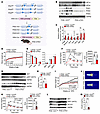 Figure 1
PHD deficiency in skeletal muscle protects against glucose intolerance and diet-induced obesity. (A) Schematic of the PHD mTKO mice. (B) Representative immunoblots of PHD1, PHD2, PHD3, HIF1α, and HIF2α from the soleus. (C) mRNA levels of HIFα target genes in the soleus (PHD 1/2/3fl/fl, n = 6; PHD mTKO, n = 6). (D) Body weights of mice on an NCD (PHD 1/2/3fl/fl, n = 9; PHD mTKO, n = 4). (E) Weights of muscles and adipose tissues of mice on an NCD (PHD 1/2/3fl/fl, n = 6; PHD mTKO, n = 6). (F) GTT on 21-week-old mice on an NCD (left) and area under the curve of glucose levels (right) (PHD 1/2/3fl/fl, n = 6; PHD mTKO, n = 4). (G) Representative immunoblots from the soleus. (H) Fasting serum insulin levels (PHD 1/2/3fl/fl, n = 6; PHD mTKO, n = 6). (I) Body weights of male mice on an HFD (PHD 1/2/3fl/fl, n = 6; PHD mTKO, n = 5). (J) Representative images of body composition; red areas indicate fat depots. (K) GTT on 14-week-old HFD-fed mice (left) and area under the curve of glucose levels (right) (PHD 1/2/3fl/fl, n = 6; PHD mTKO, n = 5). (L) Representative immunoblots from the soleus. (M) Fasting serum insulin levels (PHD 1/2/3fl/fl, n = 5; PHD mTKO, n = 6). Data are shown as the mean ± SEM. Unpaired 2-tailed Student’s t test (C, E, F, H, K, and M) or 2-way ANOVA with Bonferroni’s post hoc test (D, F, I, and K) was used for statistical analyses. *P < 0.05, **P < 0.01, ***P < 0.001, and ****P < 0.0001. Quad., quadriceps; Gas., gastrocnemius; TA, tibialis anterior; iBAT, interscapular brown adipose tissue; iWAT, inguinal white adipose tissue.
PHD mTKO mice showed body weights comparable with control mice under normal chow diet (NCD) conditions, with no significant differences observed in the weights of skeletal muscles (quadriceps, gastrocnemius, and tibialis anterior) or adipose tissues (interscapular brown adipose tissue, inguinal white adipose tissue, and gonadal white adipose tissue [gWAT]) (Figure 1, D and E). The histological morphologies of the adipose tissues and livers also showed no apparent differences in fat accumulation levels between PHD mTKO and control littermates (Supplemental Figure 4, A and B). However, PHD mTKO mice exhibited a significantly lower nonfasted blood glucose level and enhanced glucose tolerance compared with the control group (~54% decrease in the glucose level determined by area under the curve) (Figure 1F and Supplemental Figure 4C). Furthermore, we observed higher levels of phosphorylated AKT and GLUT4 in the muscles of PHD mTKO mice compared with littermate controls, suggesting enhanced activation of insulin signaling and glucose uptake, which was further supported by a concomitant decrease in serum insulin level (Figure 1, G and H, and Supplemental Figure 4D). In contrast, other metabolic tissues, such as adipose tissue and liver, did not exhibit this trend, suggesting that enhanced insulin signaling in PHD mTKO mice is specific to skeletal muscle (Supplemental Figure 4, E and F). It was previously reported that HIFα induces fatty acid uptake and lipid storage (17, 18). Although the expression of genes involved in these processes was altered, both intramuscular and serum free fatty acid (FFA) levels remained unchanged (Supplemental Figure 4, G–I).
Next, we examined whether PHD deficiency in skeletal muscle protects against diet-induced obesity. While the body weights of mice on an NCD did not differ between groups, PHD mTKO mice gained significantly less weight than the littermate controls that were administered a high-fat diet (HFD) (Figure 1I). Notably, the lower body weight of PHD mTKO mice was primarily due to a marked reduction in fat mass (Figure 1J and Supplemental Figure 5, A–C). Lipid accumulation in the liver and adipose tissues was also reduced in PHD mTKO mice, and this was accompanied by a noticeable decrease in gWAT adipocyte size (Supplemental Figure 5, D and E). Furthermore, glucose tolerance was remarkably improved, accompanied by increased GLUT4 expression and AKT phosphorylation, in PHD mTKO mice (Figure 1, K and L, and Supplemental Figure 5F). Similar to observations under NCD conditions, the HFD-induced elevation in serum insulin levels was drastically reduced in PHD mTKO mice (Figure 1M). However, no changes were detected in intramuscular FFA levels and in serum FFA concentrations (Supplemental Figure 5, G and H). Circulating leptin levels were also lower in PHD mTKO mice, likely due to their reduced adiposity (Supplemental Figure 5I).
Compared with males, females exhibited distinct metabolic profiles in skeletal muscle and differential fat accumulation. Therefore, we investigated whether the effects of skeletal muscle PHD deficiency on glucose metabolism and obesity resistance were reproducible in female mice and found that female PHD mTKO mice exhibited metabolic phenotypes largely comparable with those of males (Supplemental Figure 6). These data indicate that skeletal muscle–specific deletion of PHD enzymes increases HIF1α and HIF2α stability and improves glucose tolerance and diet-induced obesity in both male and female mice.
PHD deficiencies in skeletal muscle increase the oxidative fiber ratio. The functional characteristics of skeletal muscles are largely determined by the composition of myofibers, which are broadly classified into slow oxidative (type I), fast oxidative (type IIa), and fast glycolytic (type IIb) fibers. These classifications are based on the inherent differences in contraction velocity determined by myosin-ATPase activity and the primary source of ATP production (19). The latter factor, oxidative versus glycolytic, depends on mitochondrial content and metabolic properties. Given that a higher proportion of oxidative fibers are strongly associated with a lower risk of obesity and type 2 diabetes (20, 21), we hypothesized that the portion of oxidative fibers in PHD mTKO skeletal muscle might be increased. From a morphological perspective, we observed that the muscles in PHD mTKO mice appeared remarkably red (Figure 2A), a feature characteristic of an abundance of oxidative fibers (22). Immunofluorescence staining for myosin-heavy chains revealed that the abundance of type I and IIa fibers was relatively higher in the gastrocnemius of PHD mTKO mice, whereas type IIb fibers were reduced (Figure 2B). In agreement with this, the oxidative myosin heavy chain (MYH7) protein level was significantly increased in the gastrocnemius of PHD mTKO mice (Supplemental Figure 7A). The mRNA expression levels of glycolytic fiber–specific genes were significantly decreased, whereas oxidative fiber–specific markers tended to increase in the gastrocnemius and soleus (Supplemental Figure 7, B and C). Intriguingly, the myofibers in PHD mTKO mice exhibited a markedly reduced cross-sectional area compared with those in littermate controls without reduced muscle weights (Figure 1E and Figure 2, C and D). This reduction was primarily due to the decreased sizes of oxidative type I and type IIa fibers, without increasing the expression of muscle atrophy–related E3 ligase genes (Fbxo32 and Trim63), indicating that the reduced fiber size was not attributable to muscle atrophy (Figure 2, D and E) (23).
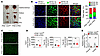 Figure 2
PHD deficiency in skeletal muscle increases oxidative fiber ratio. (A) Skeletal muscles isolated from a 6-month-old PHD mTKO mouse and its littermate. (B) Immunofluorescence staining for MYHC I (blue), MYHC IIa (green), and MYHC IIb (red) from the gastrocnemius (left). The ratio of each myofiber type composition (PHD 1/2/3fl/fl, n = 4; PHD mTKO, n = 5; right). Scale bars = 50 μm. (C) Immunofluorescence staining for laminin from the gastrocnemius. Scale bars = 50 μm. (D) The cross-sectional area of each myofiber from B (PHD 1/2/3fl/fl, n = 4; PHD mTKO, n = 5; right). (E) mRNA expression levels of muscle atrophic genes (PHD 1/2/3fl/fl, n = 6; PHD mTKO, n = 6). Data are shown as the mean ± SEM. Unpaired 2-tailed Student’s t test was used for statistical analyses (B, D, and E). *P < 0.05, **P < 0.01, and ****P < 0.0001.
PHD deficiencies in skeletal muscle impair exercise performance and mitochondrial oxidative phosphorylation. Given the increased number of oxidative fibers in the muscles of PHD mTKO mice, we anticipated that PHD deficiency in skeletal muscle would lead to improved exercise performance. However, it was unexpectedly found that the exercise performance on the treadmill by PHD mTKO mice was impaired (Figure 3A). Since ATP generated by oxidative phosphorylation (OXPHOS) is required for endurance exercise, we investigated the mitochondria of PHD mTKO mice. Quantitative transmission electron microscopy analysis revealed that PHD mTKO mice had significantly smaller mitochondria compared with littermate controls (Figure 3B). Consistent with this, BNIP3, an HIF1α target gene that contributes to mitochondrial fragmentation (24), was remarkably elevated, whereas the mitochondrial fusion factor OPA1 was decreased in PHD mTKO mice (Figure 3D and Supplemental Figure 7D). Moreover, mRNA and protein levels related to OXPHOS were markedly reduced in the muscles of PHD mTKO mice (Figure 3, C and D, and Supplemental Figure 7, D–I). The expression levels of genes associated with mitochondrial biogenesis (Ppargc1a and Tfam) and fatty acid oxidation (Acadm and Acadl) were also significantly decreased in the PHD mTKO mice (Figure 3C). Consistent with the gene and protein expression patterns, enzymatic activities of the mitochondrial complexes were significantly lower in the muscles of PHD mTKO mice; instead, lactate production and glycogen content were increased (Figure 3, E–G). In addition, both twitch and tetanic forces were decreased in the muscles of PHD mTKO mice (Figure 3H). These findings suggest that skeletal muscle PHD deficiency increases the proportion of oxidative fibers, yet paradoxically suppresses mitochondrial OXPHOS and impairs muscle function.
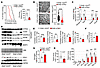 Figure 3
PHD deficiency in skeletal muscle impairs exercise endurance and mitochondrial function. (A) Percentage of mice running before exhaustion (left) and running distance (right) (PHD 1/2/3fl/fl, n = 9; PHD mTKO, n = 10). (B) Transmission electron microscopy images of the gastrocnemius (left) and measurement of the mitochondrial area (right). Scale bars = 500 μm. (C) mRNA expression levels of indicated genes (PHD 1/2/3fl/fl, n = 6; PHD mTKO, n = 5). (D) Immunoblot of the soleus for the indicated proteins (PHD 1/2/3fl/fl, n = 4; PHD mTKO, n = 4). (E) Enzymatic activities of the mitochondrial complexes (PHD 1/2/3fl/fl, n = 6; PHD mTKO, n = 5). (F and G) Intramuscular lactate (F) and glycogen (G) content in the gastrocnemius (PHD 1/2/3fl/fl, n = 4; PHD mTKO, n = 4). (H) Twitch force and tetanic plantar flexion torque normalized to body weight (PHD 1/2/3fl/fl, n = 5; PHD mTKO, n = 4). Data are shown as the mean ± SEM. Unpaired 2-tailed Student’s t test (A–C and E–H) or 2-way ANOVA with Bonferroni’s post hoc test (H) was used for statistical analyses. *P < 0.05, **P < 0.01, ***P < 0.001, and ****P < 0.0001. CBB, Coomassie blue stain.
HIF1α in skeletal muscle does not confer resistance to obesity. HIF1α and HIF2α are the main substrates of PHD enzymes (25). Since we confirmed the stabilization of both HIF1α and HIF2α in the skeletal muscles of PHD mTKO mice, we sought to determine which of these 2 HIFα isoforms is primarily responsible for the observed phenotypic changes. To address this, we designed parallel gain-of-function approaches for each isoform. As a first step, we generated mice with inducible HIF1α specifically in myofibers using the AAV-DIO system, which expresses transgenes in a Cre-dependent manner (26, 27). Due to the intrinsic instability and inactivation of HIF1α under normoxic conditions, we introduced a 3-point mutation (TM; HIF1α with P402A/P577A/N813A) to preserve stability in normoxia (Figure 4A) (28, 29). We primarily injected the AAV-DIO-HIF1α TM into HSA-Cre or WT mice as a control. HSA-Cre mice with AAV-DIO-HIF1α TM (hereafter, skm-HIF1α) exhibited increased expression levels of HIFα, to an extent comparable with that observed in PHD mTKO mice, and classical HIFα target genes in skeletal muscle, suggesting that the skm-HIF1α model was successfully generated (Figure 4B and Supplemental Figure 8, A–C).
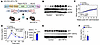 Figure 4
HIF1α in skeletal muscle marginally improves glucose tolerance. (A) Schematic of the myofiber-specific transduction of HIF1α TM and generation of skm-HIF1α mice. (B) Immunoblot analysis of the soleus confirmed the transduction of HIF1α (control, n = 4; skm-HIF1α, n = 5). (C) Body weights of male mice on an NCD (control, n = 5; skm-HIF1α, n = 6). (D) GTT on 18-week-old mice on an NCD (left) and area under the curve of glucose levels (right) (control, n = 5; skm-HIF1α, n = 6). (E) Representative immunoblots of AKT and pAKT from the soleus (control, n = 6; skm-HIF1α, n = 4). (F) Fasting serum insulin levels in mice (control, n = 4; skm-HIF1α, n = 5). Data are shown as the mean ± SEM. Unpaired 2-tailed Student’s t test (D and F) or 2-way ANOVA with Bonferroni’s post hoc test (C and D) was used for statistical analyses. *P < 0.05, **P < 0.01, and ***P < 0.001.
Similar to the PHD mTKO mice, the skm-HIF1α mice also exhibited comparable body weights with the control group under NCD conditions without reductions occurring in muscle weights (Figure 4C and Supplemental Figure 8D). Glucose tolerance was slightly enhanced in skm-HIF1α mice; however, this trend was notably less pronounced than in the PHD mTKO mice (~54% decrease in glucose level in PHD mTKO mice vs. ~22% decrease in skm-HIF1α mice) (Figure 1F and Figure 4D). Although serum insulin levels were unchanged, AKT phosphorylation was increased in skm-HIF1α mice, suggesting that HIF1α enhances muscle insulin sensitivity (Figure 4, E and F, and Supplemental Figure 8E). In terms of fatty acid uptake and storage, despite the reduced expression of Fabp3, which is involved in fatty acid transport, the levels of intramuscular and serum FFAs remained unchanged in skm-HIF1α mice, suggesting that muscle HIF1α is relatively less involved in regulating fatty acid metabolism (Supplemental Figure 8, F–H).
Unlike PHD mTKO mice, HFD-induced weight gain was comparable between skm-HIF1α and control mice (Figure 5A). While muscle weights remained unchanged, gWAT weight was slightly increased in skm-HIF1α; however, this increase was not accompanied by changes in adipocyte sizes (Supplemental Figure 8, I–K). Despite unchanged resistance against diet-induced obesity, glucose tolerance was enhanced in skm-HIF1α mice. However, this tendency remained less pronounced than in PHD mTKO mice (Figure 1K and Figure 5B). Meanwhile, increased GLUT4 and AKT phosphorylation levels in skm-HIF1α mice were further confirmed, without change in serum insulin levels (Figure 5, C and D).
 Figure 5
HIF1α in skeletal muscle does not confer resistance to obesity. (A) Body weights of male mice on an HFD (control, n = 9; skm-HIF1α, n = 4). (B) GTT on mice administered an HFD for 12 weeks (left) and area under the curve of glucose levels (right) (control, n = 11; skm-HIF1α, n = 8). (C) Representative AKT, pAKT, and GLUT4 immunoblots from the soleus (left) and quantification of indicated proteins (right) (control, n = 6; skm-HIF1α, n = 6). (D) Fasting serum insulin levels in mice (control, n = 5; skm-HIF1α, n = 5). Data are shown as the mean ± SEM. Unpaired 2-tailed Student’s t test (B–D) or 2-way ANOVA with Bonferroni’s post hoc test (A and B) was used for statistical analyses. *P < 0.05.
HIF1α in skeletal muscle increases the oxidative fiber ratio but impairs exercise performance. As oxidative fibers were increased in PHD mTKO mice, we analyzed the proportion of oxidative and glycolytic myofibers in skm-HIF1α mice. The skm-HIF1α mice exhibited increased oxidative fibers with more reddish muscles compared with control groups (Figure 6, A and B). In line with this, the gastrocnemius in the skm-HIF1α mice showed a significant increase in oxidative MYH2 and MYH7 protein levels (Supplemental Figure 9A). The mRNA expression levels of oxidative fiber–specific markers were also elevated in the skeletal muscles of skm-HIF1α mice (Supplemental Figure 9B). This increase in the number of oxidative fibers was accompanied by a reduction in the overall diameter of type I and IIa myofibers compared with control mice without the expression of muscle atrophy–related E3 ligase genes (Fbxo32 and Trim63) being upregulated (Figure 6, C–E). Despite an increased oxidative fiber ratio, similar to PHD mTKO mice, skm-HIF1α mice exhibited impaired exercise performance and had abnormally small mitochondria (Figure 7, A and B). Additionally, the expression of proteins associated with OXPHOS decreased, while the mitochondrial fragmentation marker BNIP3 increased (Figure 7C and Supplemental Figure 9C). Reduced expression of transcripts involved in the mitochondrial oxidative function and biogenesis was also observed in the skm-HIF1α mice (Supplemental Figure 9, D–F). Moreover, enzymatic activities of mitochondrial complexes were significantly lower in the muscles of skm-HIF1α mice (Figure 7D), accompanied by increased intramuscular lactate and glycogen content, as well as reduced tetanic force, similar to the phenotype observed in PHD mTKO mice (Figure 7, E–G). These results indicate that the increases in oxidative fibers, together with the paradoxical inhibition of mitochondrial OXPHOS observed in PHD mTKO mice, are largely attributable to the stabilization of HIF1α.
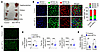 Figure 6
HIF1α in skeletal muscle increases the oxidative fiber ratio. (A) Skeletal muscles isolated from a 6-month-old skm-HIF1α mouse and a control mouse. (B) Representative images of immunofluorescence staining from the gastrocnemius (left) and the ratio of each myofiber type composition (right) (control, n = 4; skm-HIF1α, n = 4). Scale bars = 50 μm. (C) Representative images of immunofluorescence staining for laminin from the gastrocnemius. Scale bars = 50 μm. (D) The cross-sectional area of each myofiber from B (control, n = 4; skm-HIF1α, n = 4). (E) mRNA expression levels of muscle atrophic genes (control, n = 5; skm-HIF1α, n = 7). Data are shown as the mean ± SEM. Unpaired 2-tailed Student’s t test (B, D, and E) was used for statistical analyses. *P < 0.05, **P < 0.01, and ***P < 0.001.
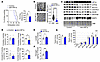 Figure 7
HIF1α in skeletal muscle impairs exercise performance. (A) Percentage of mice running before exhaustion (left) and running distance (right) (control, n = 6; skm-HIF1α, n = 4). (B) Transmission electron microscopy images (left) and size of the mitochondria (200 mitochondria were analyzed; right). Scale bar = 500 μm. (C) Immunoblot analysis of the soleus (control, n = 5; skm-HIF1α, n = 6). (D) Enzymatic activities of the mitochondrial complexes I, II, III, and IV (control, n = 5; skm-HIF1α, n = 5). (E) Intramuscular lactate content in the gastrocnemius (control, n = 4; skm-HIF1α, n = 5). (F) Intramuscular glycogen content in the gastrocnemius (control, n = 4; skm-HIF1α, n = 5). (G) Twitch force and tetanic plantar flexion torque normalized to body weight (control, n = 4; skm-HIF1α, n = 4). Data are shown as the mean ± SEM. Unpaired 2-tailed Student’s t test (A, B, and D–G) or 2-way ANOVA with Bonferroni’s post hoc test (G) was used for statistical analyses. *P < 0.05, ***P < 0.001, and ****P < 0.0001. CBB, Coomassie blue stain.
To examine whether mitochondrial OXPHOS is impaired in a cell-autonomous manner, differentiated C2C12 myotubes were cotransduced with AAV-HSA-Cre and either AAV-DIO-GFP or AAV-DIO-HIF1α (Supplemental Figure 10A). In this system, more than 50% of the myotubes expressed GFP when transduced with AAV-DIO-GFP, and AAV-DIO-HIF1α transduction resulted in robust induction of HIF1α target genes (Supplemental Figure 10, B and C). In cells transduced with HIF1α, reduced expression of mitochondrial biogenesis–related genes, diminished OXPHOS levels, and increased BNIP3 protein expression were observed, collectively indicating that HIF1α impairs mitochondrial OXPHOS in a cell-autonomous manner (Supplemental Figure 10, D and E).
HIF2α in skeletal muscle mitigates weight gain and improves glucose tolerance. Next, we generated myofiber-specific, inducible HIF2α–overexpressing mice carrying a TM (HIF2α P405A/P530A/N851Q) to achieve stable expression under normoxic conditions and found that HIF2α expression levels were comparable with those observed in PHD mTKO mice (Figure 8, A and B, and Supplemental Figure 11, A and B). Using these mice, we examined the effects of HIF2α transduction on skeletal muscle and found that both male and female skm-HIF2α mice gained significantly less body weight than control mice while being fed an NCD (Figure 8C and Supplemental Figure 11C). Moreover, we found that the weights of both muscles and adipose tissues were decreased, suggesting that the reduced weight gain in skm-HIF2α mice is due to a decrease in both fat mass and lean mass (Supplemental Figure 11D). Furthermore, glucose tolerance was dramatically enhanced in skm-HIF2α mice (Figure 8D). Notably, this enhancement was substantially greater than that observed in skm-HIF1α mice and was comparable with the level observed in PHD mTKO mice (Figure 1F, Figure 4D, and Figure 8D). Elevated GLUT4 expression, AKT phosphorylation (Figure 8E and Supplemental Figure 11E), and decreased serum insulin levels were also observed in skm-HIF2α mice (Figure 8F), suggesting enhanced glucose uptake and insulin signaling. In addition, gene expression related to fatty acid uptake and lipid storage, as well as intramuscular and serum FFA levels, were only marginally affected in skm-HIF2α mice (Supplemental Figure 11, F–H). These findings suggest that improved glucose tolerance observed in PHD mTKO mice is primarily driven by HIF2α rather than HIF1α.
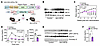 Figure 8
HIF2α stabilization improves glucose tolerance and reduces body weight. (A) Schematic of the myofiber-specific transduction of HIF2α-TM and generation of skm-HIF2α mice. (B) Immunoblot analysis of the soleus confirmed the transduction of HIF1α (control, n = 4; skm-HIF2α, n = 4). (C) Body weights of mice on an NCD (control, n = 6; skm-HIF2α, n = 5). (D) GTT on 14-week-old mice administered an NCD (left) and area under the curve of glucose levels (right) (control, n = 6; skm-HIF2α, n = 5). (E) Representative immunoblots from the gastrocnemius (control, n = 7; skm-HIF2α, n = 5). (F) Fasting serum insulin levels in mice (control, n = 4; skm-HIF2α, n = 4). Data are shown as the mean ± SEM. Unpaired 2-tailed Student’s t test (D and F) or 2-way ANOVA with Bonferroni’s post hoc test (C and D) was used for statistical analyses. *P < 0.05, ***P < 0.001, and ****P < 0.0001.
HIF2α in skeletal muscle has a negligible effect on oxidative fiber ratio and mitochondrial oxidative phosphorylation. Although skm-HIF2α mice exhibited markedly redder muscles compared with control mice (Figure 9A), the proportions of oxidative and glycolytic fibers were unchanged, and the expression levels of their corresponding marker genes also remained unaltered (Supplemental Figure 11, I and J). The expression of Fbxo32 and Trim63 also was not increased in skm-HIF2α mice (Supplemental Figure 11K).
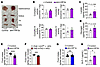 Figure 9
HIF2α stabilization exerts limited effects on mitochondrial function and reduces food intake. (A) Skeletal muscles isolated from a 5-month-old skm-HIF2α mouse and a control mouse. (B) Enzymatic activities of the mitochondrial complexes I, II, III, and IV (control, n = 5; skm-HIF2α, n = 5). (C) Intramuscular lactate content in the gastrocnemius (control, n = 4; skm-HIF2α, n = 4). (D) Intramuscular glycogen content in the gastrocnemius (control, n = 4; skm-HIF2α, n = 4). (E–G) Food intake of skm-HIF2α mice on an NCD (E), PHD mTKO mice on an HFD (F), and skm-HIF1α mice on an NCD (G). (H) Serum GLP-1 level in skm-HIF2α mice (control, n = 4; skm-HIF2α, n = 4). Data are shown as the mean ± SEM. Unpaired 2-tailed Student’s t test was used for statistical analyses (B–H). *P < 0.05, ***P < 0.001, and ****P < 0.0001.
We next evaluated mitochondrial OXPHOS in the skeletal muscle of skm-HIF2α mice. The expression levels of OXPHOS components and BNIP3 were unchanged in skm-HIF2α mice (Supplemental Figure 12A), and mitochondrial complex activities were also unaffected (Figure 9B). Consistently, in differentiated C2C12 myotubes overexpressing HIF2α, generated by transducing AAV-HSA-Cre and AAV-DIO-HIF2α, OXPHOS expression remained unaltered (Supplemental Figure 12B). Moreover, unlike PHD mTKO and skm-HIF1α mice, skm-HIF2α mice showed no changes in muscle twitch or tetanic force (Supplemental Figure 12C). These findings indicate that HIF2α does not impact the oxidative–glycolytic fiber transition nor alter mitochondrial OXPHOS in skeletal muscle.
Notably, although skeletal muscle glucose uptake was expected to increase, mitochondrial activity remained unchanged, and intramuscular FFA concentrations, lactate production, and glycogen content were all unaltered (Figure 9, B–D), despite reductions in body weight and improved glucose tolerance. Because brown adipose tissue can regulate systemic metabolism through uncoupling protein 1–mediated (UCP1-mediated) nonshivering thermogenesis (30), we next examined UCP1 expression in brown adipose tissue; however, it remained unchanged in skm-HIF2α mice (Supplemental Figure 12D). A closer examination revealed a significant reduction in food intake in skm-HIF2α mice (Figure 9E). A similar decrease in food intake was observed in HFD-fed PHD mTKO mice, which showed profound weight loss (Figure 9F), whereas skm-HIF1α mice displayed neither a decrease in food intake nor a reduction in body weight (Figure 9G) and showed only modest improvements in glucose tolerance. Interestingly, circulating glucagon-like peptide-1 (GLP-1) levels were increased nearly 2-fold in skm-HIF2α mice (Figure 9H). These findings suggest that stabilization of HIF2α in skeletal muscle may reduce food intake and improve glucose tolerance, at least in part through elevated GLP-1 expression.
HIF2α in skeletal muscle induces polycythemia and increases mortality. Surprisingly, we noticed that skm-HIF2α mice exhibited increased mortality even as early as 5 weeks after AAV administration (Figure 10A). Furthermore, we observed abnormally large spleens and hearts in skm-HIF2α mice (Figure 10B), indicating potential alterations in hematopoietic and cardiovascular activity. Indeed, skm-HIF2α mice showed supraphysiologically increased hematocrit (> 90%) and hemoglobin levels, alongside RBC and reticulocyte counts, strongly indicating polycythemia (Figure 10C). Additionally, we found that the serum EPO level, which primarily stimulates erythropoiesis, was remarkably increased in skm-HIF2α mice (Figure 10D). It is widely believed that EPO expression is strongly restricted to the kidney and liver; however, neither the Epo gene nor EPO protein expression was elevated in the kidney or liver of skm-HIF2α mice (Figure 10, E and F). Strikingly, we observed a markedly upregulated expression of Epo transcripts and EPO protein in skeletal muscle (gastrocnemius) (Figure 10, E and F). Importantly, we also observed increased Epo mRNA levels in differentiated C2C12 myotubes overexpressing HIF2α, accompanied by elevated EPO concentrations in the culture media (Supplemental Figure 13, A and B). This finding demonstrates that skeletal muscle can serve as an alternative site for EPO production and secretion, contributing to the induction of erythropoiesis. Despite the abnormally elevated hematocrit, twitch and tetanic force in the skeletal muscle of skm-HIF2α mice remained unchanged (Supplemental Figure 12C). Moreover, in the open-field test, ambulatory distance, center distance, and margin distance were comparable across control and skm-HIF2a mice, demonstrating that spontaneous locomotor activity remained unchanged (Supplemental Figure 13C). However, both rectal and surface temperatures were lower than in controls (Supplemental Figure 13, D and E). These findings suggest that markedly increased hematocrit led to higher blood viscosity and impaired circulation, which placed additional workload on the heart and resulted in cardiac hypertrophy and hypothermia, ultimately increasing mortality.
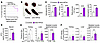 Figure 10
HIF2α in skeletal muscle induces polycythemia. (A) Survival ratio of skm-HIF2α male mice (control, n = 14; skm-HIF2α, n = 9). (B) Representative image of ballooned heart and spleen of skm-HIF2α mice. (C) Hematologic parameters of skm-HIF2α mice (control, n = 6; skm-HIF2α, n = 3). (D) EPO levels in serum (control, n = 5; skm-HIF2α, n = 5). (E) Epo mRNA expression levels in indicated tissues (control, n = 6; skm-HIF2α, n = 3). (F) EPO protein levels in indicated tissues (control, n = 5; skm-HIF2α, n = 5). Data are shown as the mean ± SEM. Unpaired 2-tailed Student’s t test was used for statistical analyses (C–F). *P < 0.05, **P < 0.01, and ****P < 0.0001.
We also observed significantly increased hematocrit levels in PHD mTKO mice (Supplemental Figure 14, A–C). Moreover, the expression of Epo transcripts was markedly upregulated in the skeletal muscle of PHD mTKO mice, without any corresponding increase in Epo levels in the kidney or liver (Supplemental Figure 14E). However, in the PHD mKO mice, Epo mRNA expression was not increased (Supplemental Figure 14F). The increase in hematocrit was also observed in female PHD mTKO mice, although the magnitude was lower than in males (~95% in males vs. ~75% in females) (Supplemental Figure 14G). This difference subsequently led to an increased mortality rate observed only in male mice (Supplemental Figure 14, D and H). In contrast, skm-HIF1α mice did not exhibit increased mortality or hematocrit levels (Supplemental Figure 14, I–K).
The PHD1–HIF2α axis increases EPO production in skeletal muscle. To further confirm that the increased hematocrit observed in skm-HIF2α and PHD mTKO mice was driven by muscle-derived EPO, we generated PHD mTKO mice that additionally express Cas9 specifically in skeletal muscle by crossing Phd1fl/fl, Phd2fl/fl, and Phd3fl/fl HSA-Cre mice with Rosa26-LSL-Cas9 mice (Figure 11A). Administration of an AAV-sgRNA targeting Epo (sgEPO) to these mice significantly reduced the elevated intramuscular EPO levels induced by PHD deficiency (Figure 11B). Moreover, muscle-specific EPO deletion normalized the increased hematocrit, RBC and reticulocyte counts, and hemoglobin levels observed in PHD mTKO mice (Figure 11C and Supplemental Figure 14L). In contrast, the reductions in body weight and improvements in glucose tolerance caused by PHD deficiency were only minimally affected by EPO knockout (Supplemental Figure 14, M and N). These findings indicate that HIF2α-dependent EPO production in skeletal muscle promotes erythropoiesis and is responsible for the development of polycythemia.
 Figure 11
The PHD1–HIF2α axis increases EPO production in skeletal muscle. (A) Schematic illustrating the generation of the myofiber-specific Epo knockout in PHD mTKO mice. PHD mTKO mice were crossed with LSL-Cas9 knock-in mice to obtain PHD mTKO Cas9 animals. MyoAAV2A-sgEPO or sgLacZ was administered intraperitoneally to PHD mTKO Cas9 mice. Phd1fl/flPhd2fl/flPhd3fl/fl-Cas9 mice lacking HSA-Cre and injected with MyoAAV2A-sgLacZ served as controls. (B) EPO protein levels in gastrocnemius (control, n = 5; PHD mTKO Cas9 + sgLacZ, n = 3; PHD mTKO Cas9 + sgEPO, n = 3). (C) Hematologic parameters of mice (control, n = 5; PHD mTKO Cas9 + sgLacZ, n = 3; PHD mTKO Cas9 + sgEPO, n = 3). (D) Schematic illustrating the generation of indicated mice. (E) Representative image of heart and spleen of indicated mice. (F) Hematologic parameters of mice (PHD mTKO + DIO-GFP, n = 6; PHD mTKO + DIO-PHD1, n = 6; PHD mTKO + DIO-PHD2, n = 5; PHD mTKO + DIO-PHD3, n = 5). Data are shown as the mean ± SEM. One-way ANOVA with Bonferroni’s post hoc test was used for statistical analyses (B, C, and F). *P < 0.05, **P < 0.01, and ****P < 0.0001.
Next, to determine which PHD isoform plays a critical role in HIF2α-mediated EPO production, we reintroduced each PHD isoform individually into the skeletal muscle of PHD mTKO mice using the AAV-DIO system (Figure 11D). Remarkably, expression of PHD2 or PHD3 had no effect, whereas expression of PHD1 alone restored the enlarged heart and spleen observed in PHD mTKO mice to normal size (Figure 11E). Furthermore, the elevated hematocrit, RBC and reticulocyte counts, and hemoglobin levels in PHD mTKO mice were reduced to near-normal levels upon muscle-specific expression of PHD1 (Figure 11F). These findings indicate that the PHD1–HIF2α axis in skeletal muscle regulates muscle-derived EPO production.
Together, our findings suggest that skeletal muscle, in addition to the kidney and liver, has the capacity to produce EPO. To determine whether muscle contributes to EPO production under physiological conditions, we established a phlebotomy model by removing approximately 500 μL of blood through retro-orbital bleeding in normal mice. As expected, this model exhibited reduced hematocrit (Supplemental Figure 15A), which was accompanied by increased HIF2α stabilization in skeletal muscle (Supplemental Figure 15B). However, Epo mRNA expression in muscle was not elevated (Supplemental Figure 15C). We next generated skeletal muscle–specific HIF2α-knockout mice by crossing Hif2afl/fl with HSA-Cre mice (Supplemental Figure 15D). These mice displayed hematocrit levels comparable with controls and showed no change in muscle Epo mRNA expression (Supplemental Figure 15, E and F). When subjected to phlebotomy, skeletal muscle–specific HIF2α-knockout mice exhibited serum EPO levels comparable with those of control mice (Supplemental Figure 15G). These observations indicate that HIF2α-dependent EPO induction does not occur in skeletal muscle under physiological conditions, although it is possible that muscle-derived EPO could be engaged under certain pathological circumstances, such as states in which renal EPO production is compromised.


Copyright © 2026 American Society for Clinical Investigation
ISSN: 0021-9738 (print), 1558-8238 (online)