
Advertisement
Research ArticleAIDS/HIVImmunologyVirology
Open Access |  10.1172/JCI198054
Rapid and profound decay of inducible and intact HIV genomes in early-treated Thai children
Marta Massanella,1 Caroline Dufour,1 Amélie Pagliuzza,1 Audrée Lemieux,1 Corentin Richard,1 Jintanat Ananworanich,2 Louise Leyre,1 Thidarat Jupimai,3 Supranee Buranapraditkun,4,5,6 Rapisa Nantanee,3,7 Julie L. Mitchell,8 Panadda Sawangsinth,9 Mark de Souza,9 Piyarat Suntarattiwong,10 Suparat Kanjanavanit,11 Pope Kosalaraksa,12 Thitiporn Borkird,13 Witaya Petdachai,14 Kulkanya Chokephaibulkit,15 Lydie Trautmann,16,17 Rémi Fromentin,1 Thanyawee Puthanakit,3,4,18 Nicolas Chomont1 on behalf of the HIV Netherlands Australia Thailand Research Collaboration 209 and 194 (HIVNAT209 and HIVNAT194) study groups19
1Centre de Recherche du CHUM and Department of Microbiology, Infectiology and Immunology, Université de Montréal, Montréal, Quebec, Canada.
2Department of Global Health, Amsterdam Medical Center, University of Amsterdam, Amsterdam, Netherlands.
3Center of Excellence in Pediatric Infectious Diseases and Vaccines, Chulalongkorn University, Bangkok, Thailand.
4Division of Allergy and Clinical Immunology, Department of Medicine, King Chulalongkorn Memorial Hospital, Faculty of Medicine, Chulalongkorn University, Thai Red Cross Society, Bangkok, Thailand.
5Center of Excellence in Thai Pediatric Gastroenterology, Hepatology and Immunology (TPGHAI);
6Center of Excellence in Vaccine Research and Development (Chula Vaccine Research Center-Chula VRC); and
7Department of Pediatrics, Faculty of Medicine, Chulalongkorn University, Bangkok, Thailand.
8Vaccine and Gene Therapy Institute, Oregon Health & Science University, Beaverton, Oregon, USA.
9SEARCH, Thai Red Cross AIDS Research Centre (TRC-ARC), Bangkok, Thailand.
10Queen Sirikit National Institute of Child Health, Bangkok, Thailand.
11Nakornping Hospital, Chiang Mai, Thailand.
12Srinagarind Hospital, Khon Kaen University, Khon Kaen, Thailand.
13Hat Yai Hospital, Songkhla, Thailand.
14Phrachomklao Hospital, Phetchaburi, Thailand.
15Department of Pediatrics, Faculty of Medicine, Siriraj Hospital, Mahidol University, Bangkok, Thailand.
16U.S. Military HIV Research Program, CIDR, Walter Reed Army Institute of Research, Silver Spring, Maryland, USA.
17Henry M. Jackson Foundation for the Advancement of Military Medicine, Bethesda, Maryland, USA.
18HIV-NAT, TRC-ARC, Bangkok, Thailand.
19The HIVNAT209 and HIVNAT194 study groups are detailed in Supplemental Acknowledgments.
Address correspondence to: Nicolas Chomont, Université de Montréal, Centre de recherche du CHUM, 900, rue St-Denis, Tour Viger, R09.430, Montréal, Quebec, H2X 0A9 Canada. Phone: 514.890.8000 ext. 31266; Email: nicolas.chomont@umontreal.ca. Or to: Marta Massanella, IrsiCaixa, Hospital Universitari Germans Trias i Pujol, Carretera del Canyet s/n, 08916, Badalona, Barcelona, Spain. Phone: 34.93.465.63.74; Email: mmassanella@irsicaixa.es.
Find articles by
Massanella, M.
in:
PubMed
|
Google Scholar
|

1Centre de Recherche du CHUM and Department of Microbiology, Infectiology and Immunology, Université de Montréal, Montréal, Quebec, Canada.
2Department of Global Health, Amsterdam Medical Center, University of Amsterdam, Amsterdam, Netherlands.
3Center of Excellence in Pediatric Infectious Diseases and Vaccines, Chulalongkorn University, Bangkok, Thailand.
4Division of Allergy and Clinical Immunology, Department of Medicine, King Chulalongkorn Memorial Hospital, Faculty of Medicine, Chulalongkorn University, Thai Red Cross Society, Bangkok, Thailand.
5Center of Excellence in Thai Pediatric Gastroenterology, Hepatology and Immunology (TPGHAI);
6Center of Excellence in Vaccine Research and Development (Chula Vaccine Research Center-Chula VRC); and
7Department of Pediatrics, Faculty of Medicine, Chulalongkorn University, Bangkok, Thailand.
8Vaccine and Gene Therapy Institute, Oregon Health & Science University, Beaverton, Oregon, USA.
9SEARCH, Thai Red Cross AIDS Research Centre (TRC-ARC), Bangkok, Thailand.
10Queen Sirikit National Institute of Child Health, Bangkok, Thailand.
11Nakornping Hospital, Chiang Mai, Thailand.
12Srinagarind Hospital, Khon Kaen University, Khon Kaen, Thailand.
13Hat Yai Hospital, Songkhla, Thailand.
14Phrachomklao Hospital, Phetchaburi, Thailand.
15Department of Pediatrics, Faculty of Medicine, Siriraj Hospital, Mahidol University, Bangkok, Thailand.
16U.S. Military HIV Research Program, CIDR, Walter Reed Army Institute of Research, Silver Spring, Maryland, USA.
17Henry M. Jackson Foundation for the Advancement of Military Medicine, Bethesda, Maryland, USA.
18HIV-NAT, TRC-ARC, Bangkok, Thailand.
19The HIVNAT209 and HIVNAT194 study groups are detailed in Supplemental Acknowledgments.
Address correspondence to: Nicolas Chomont, Université de Montréal, Centre de recherche du CHUM, 900, rue St-Denis, Tour Viger, R09.430, Montréal, Quebec, H2X 0A9 Canada. Phone: 514.890.8000 ext. 31266; Email: nicolas.chomont@umontreal.ca. Or to: Marta Massanella, IrsiCaixa, Hospital Universitari Germans Trias i Pujol, Carretera del Canyet s/n, 08916, Badalona, Barcelona, Spain. Phone: 34.93.465.63.74; Email: mmassanella@irsicaixa.es.
Find articles by
Dufour, C.
in:
PubMed
|
Google Scholar
|
1Centre de Recherche du CHUM and Department of Microbiology, Infectiology and Immunology, Université de Montréal, Montréal, Quebec, Canada.
2Department of Global Health, Amsterdam Medical Center, University of Amsterdam, Amsterdam, Netherlands.
3Center of Excellence in Pediatric Infectious Diseases and Vaccines, Chulalongkorn University, Bangkok, Thailand.
4Division of Allergy and Clinical Immunology, Department of Medicine, King Chulalongkorn Memorial Hospital, Faculty of Medicine, Chulalongkorn University, Thai Red Cross Society, Bangkok, Thailand.
5Center of Excellence in Thai Pediatric Gastroenterology, Hepatology and Immunology (TPGHAI);
6Center of Excellence in Vaccine Research and Development (Chula Vaccine Research Center-Chula VRC); and
7Department of Pediatrics, Faculty of Medicine, Chulalongkorn University, Bangkok, Thailand.
8Vaccine and Gene Therapy Institute, Oregon Health & Science University, Beaverton, Oregon, USA.
9SEARCH, Thai Red Cross AIDS Research Centre (TRC-ARC), Bangkok, Thailand.
10Queen Sirikit National Institute of Child Health, Bangkok, Thailand.
11Nakornping Hospital, Chiang Mai, Thailand.
12Srinagarind Hospital, Khon Kaen University, Khon Kaen, Thailand.
13Hat Yai Hospital, Songkhla, Thailand.
14Phrachomklao Hospital, Phetchaburi, Thailand.
15Department of Pediatrics, Faculty of Medicine, Siriraj Hospital, Mahidol University, Bangkok, Thailand.
16U.S. Military HIV Research Program, CIDR, Walter Reed Army Institute of Research, Silver Spring, Maryland, USA.
17Henry M. Jackson Foundation for the Advancement of Military Medicine, Bethesda, Maryland, USA.
18HIV-NAT, TRC-ARC, Bangkok, Thailand.
19The HIVNAT209 and HIVNAT194 study groups are detailed in Supplemental Acknowledgments.
Address correspondence to: Nicolas Chomont, Université de Montréal, Centre de recherche du CHUM, 900, rue St-Denis, Tour Viger, R09.430, Montréal, Quebec, H2X 0A9 Canada. Phone: 514.890.8000 ext. 31266; Email: nicolas.chomont@umontreal.ca. Or to: Marta Massanella, IrsiCaixa, Hospital Universitari Germans Trias i Pujol, Carretera del Canyet s/n, 08916, Badalona, Barcelona, Spain. Phone: 34.93.465.63.74; Email: mmassanella@irsicaixa.es.
Find articles by Pagliuzza, A. in: PubMed | Google Scholar
1Centre de Recherche du CHUM and Department of Microbiology, Infectiology and Immunology, Université de Montréal, Montréal, Quebec, Canada.
2Department of Global Health, Amsterdam Medical Center, University of Amsterdam, Amsterdam, Netherlands.
3Center of Excellence in Pediatric Infectious Diseases and Vaccines, Chulalongkorn University, Bangkok, Thailand.
4Division of Allergy and Clinical Immunology, Department of Medicine, King Chulalongkorn Memorial Hospital, Faculty of Medicine, Chulalongkorn University, Thai Red Cross Society, Bangkok, Thailand.
5Center of Excellence in Thai Pediatric Gastroenterology, Hepatology and Immunology (TPGHAI);
6Center of Excellence in Vaccine Research and Development (Chula Vaccine Research Center-Chula VRC); and
7Department of Pediatrics, Faculty of Medicine, Chulalongkorn University, Bangkok, Thailand.
8Vaccine and Gene Therapy Institute, Oregon Health & Science University, Beaverton, Oregon, USA.
9SEARCH, Thai Red Cross AIDS Research Centre (TRC-ARC), Bangkok, Thailand.
10Queen Sirikit National Institute of Child Health, Bangkok, Thailand.
11Nakornping Hospital, Chiang Mai, Thailand.
12Srinagarind Hospital, Khon Kaen University, Khon Kaen, Thailand.
13Hat Yai Hospital, Songkhla, Thailand.
14Phrachomklao Hospital, Phetchaburi, Thailand.
15Department of Pediatrics, Faculty of Medicine, Siriraj Hospital, Mahidol University, Bangkok, Thailand.
16U.S. Military HIV Research Program, CIDR, Walter Reed Army Institute of Research, Silver Spring, Maryland, USA.
17Henry M. Jackson Foundation for the Advancement of Military Medicine, Bethesda, Maryland, USA.
18HIV-NAT, TRC-ARC, Bangkok, Thailand.
19The HIVNAT209 and HIVNAT194 study groups are detailed in Supplemental Acknowledgments.
Address correspondence to: Nicolas Chomont, Université de Montréal, Centre de recherche du CHUM, 900, rue St-Denis, Tour Viger, R09.430, Montréal, Quebec, H2X 0A9 Canada. Phone: 514.890.8000 ext. 31266; Email: nicolas.chomont@umontreal.ca. Or to: Marta Massanella, IrsiCaixa, Hospital Universitari Germans Trias i Pujol, Carretera del Canyet s/n, 08916, Badalona, Barcelona, Spain. Phone: 34.93.465.63.74; Email: mmassanella@irsicaixa.es.
Find articles by Lemieux, A. in: PubMed | Google Scholar
1Centre de Recherche du CHUM and Department of Microbiology, Infectiology and Immunology, Université de Montréal, Montréal, Quebec, Canada.
2Department of Global Health, Amsterdam Medical Center, University of Amsterdam, Amsterdam, Netherlands.
3Center of Excellence in Pediatric Infectious Diseases and Vaccines, Chulalongkorn University, Bangkok, Thailand.
4Division of Allergy and Clinical Immunology, Department of Medicine, King Chulalongkorn Memorial Hospital, Faculty of Medicine, Chulalongkorn University, Thai Red Cross Society, Bangkok, Thailand.
5Center of Excellence in Thai Pediatric Gastroenterology, Hepatology and Immunology (TPGHAI);
6Center of Excellence in Vaccine Research and Development (Chula Vaccine Research Center-Chula VRC); and
7Department of Pediatrics, Faculty of Medicine, Chulalongkorn University, Bangkok, Thailand.
8Vaccine and Gene Therapy Institute, Oregon Health & Science University, Beaverton, Oregon, USA.
9SEARCH, Thai Red Cross AIDS Research Centre (TRC-ARC), Bangkok, Thailand.
10Queen Sirikit National Institute of Child Health, Bangkok, Thailand.
11Nakornping Hospital, Chiang Mai, Thailand.
12Srinagarind Hospital, Khon Kaen University, Khon Kaen, Thailand.
13Hat Yai Hospital, Songkhla, Thailand.
14Phrachomklao Hospital, Phetchaburi, Thailand.
15Department of Pediatrics, Faculty of Medicine, Siriraj Hospital, Mahidol University, Bangkok, Thailand.
16U.S. Military HIV Research Program, CIDR, Walter Reed Army Institute of Research, Silver Spring, Maryland, USA.
17Henry M. Jackson Foundation for the Advancement of Military Medicine, Bethesda, Maryland, USA.
18HIV-NAT, TRC-ARC, Bangkok, Thailand.
19The HIVNAT209 and HIVNAT194 study groups are detailed in Supplemental Acknowledgments.
Address correspondence to: Nicolas Chomont, Université de Montréal, Centre de recherche du CHUM, 900, rue St-Denis, Tour Viger, R09.430, Montréal, Quebec, H2X 0A9 Canada. Phone: 514.890.8000 ext. 31266; Email: nicolas.chomont@umontreal.ca. Or to: Marta Massanella, IrsiCaixa, Hospital Universitari Germans Trias i Pujol, Carretera del Canyet s/n, 08916, Badalona, Barcelona, Spain. Phone: 34.93.465.63.74; Email: mmassanella@irsicaixa.es.
Find articles by Richard, C. in: PubMed | Google Scholar
1Centre de Recherche du CHUM and Department of Microbiology, Infectiology and Immunology, Université de Montréal, Montréal, Quebec, Canada.
2Department of Global Health, Amsterdam Medical Center, University of Amsterdam, Amsterdam, Netherlands.
3Center of Excellence in Pediatric Infectious Diseases and Vaccines, Chulalongkorn University, Bangkok, Thailand.
4Division of Allergy and Clinical Immunology, Department of Medicine, King Chulalongkorn Memorial Hospital, Faculty of Medicine, Chulalongkorn University, Thai Red Cross Society, Bangkok, Thailand.
5Center of Excellence in Thai Pediatric Gastroenterology, Hepatology and Immunology (TPGHAI);
6Center of Excellence in Vaccine Research and Development (Chula Vaccine Research Center-Chula VRC); and
7Department of Pediatrics, Faculty of Medicine, Chulalongkorn University, Bangkok, Thailand.
8Vaccine and Gene Therapy Institute, Oregon Health & Science University, Beaverton, Oregon, USA.
9SEARCH, Thai Red Cross AIDS Research Centre (TRC-ARC), Bangkok, Thailand.
10Queen Sirikit National Institute of Child Health, Bangkok, Thailand.
11Nakornping Hospital, Chiang Mai, Thailand.
12Srinagarind Hospital, Khon Kaen University, Khon Kaen, Thailand.
13Hat Yai Hospital, Songkhla, Thailand.
14Phrachomklao Hospital, Phetchaburi, Thailand.
15Department of Pediatrics, Faculty of Medicine, Siriraj Hospital, Mahidol University, Bangkok, Thailand.
16U.S. Military HIV Research Program, CIDR, Walter Reed Army Institute of Research, Silver Spring, Maryland, USA.
17Henry M. Jackson Foundation for the Advancement of Military Medicine, Bethesda, Maryland, USA.
18HIV-NAT, TRC-ARC, Bangkok, Thailand.
19The HIVNAT209 and HIVNAT194 study groups are detailed in Supplemental Acknowledgments.
Address correspondence to: Nicolas Chomont, Université de Montréal, Centre de recherche du CHUM, 900, rue St-Denis, Tour Viger, R09.430, Montréal, Quebec, H2X 0A9 Canada. Phone: 514.890.8000 ext. 31266; Email: nicolas.chomont@umontreal.ca. Or to: Marta Massanella, IrsiCaixa, Hospital Universitari Germans Trias i Pujol, Carretera del Canyet s/n, 08916, Badalona, Barcelona, Spain. Phone: 34.93.465.63.74; Email: mmassanella@irsicaixa.es.
Find articles by
Ananworanich, J.
in:
PubMed
|
Google Scholar
|
1Centre de Recherche du CHUM and Department of Microbiology, Infectiology and Immunology, Université de Montréal, Montréal, Quebec, Canada.
2Department of Global Health, Amsterdam Medical Center, University of Amsterdam, Amsterdam, Netherlands.
3Center of Excellence in Pediatric Infectious Diseases and Vaccines, Chulalongkorn University, Bangkok, Thailand.
4Division of Allergy and Clinical Immunology, Department of Medicine, King Chulalongkorn Memorial Hospital, Faculty of Medicine, Chulalongkorn University, Thai Red Cross Society, Bangkok, Thailand.
5Center of Excellence in Thai Pediatric Gastroenterology, Hepatology and Immunology (TPGHAI);
6Center of Excellence in Vaccine Research and Development (Chula Vaccine Research Center-Chula VRC); and
7Department of Pediatrics, Faculty of Medicine, Chulalongkorn University, Bangkok, Thailand.
8Vaccine and Gene Therapy Institute, Oregon Health & Science University, Beaverton, Oregon, USA.
9SEARCH, Thai Red Cross AIDS Research Centre (TRC-ARC), Bangkok, Thailand.
10Queen Sirikit National Institute of Child Health, Bangkok, Thailand.
11Nakornping Hospital, Chiang Mai, Thailand.
12Srinagarind Hospital, Khon Kaen University, Khon Kaen, Thailand.
13Hat Yai Hospital, Songkhla, Thailand.
14Phrachomklao Hospital, Phetchaburi, Thailand.
15Department of Pediatrics, Faculty of Medicine, Siriraj Hospital, Mahidol University, Bangkok, Thailand.
16U.S. Military HIV Research Program, CIDR, Walter Reed Army Institute of Research, Silver Spring, Maryland, USA.
17Henry M. Jackson Foundation for the Advancement of Military Medicine, Bethesda, Maryland, USA.
18HIV-NAT, TRC-ARC, Bangkok, Thailand.
19The HIVNAT209 and HIVNAT194 study groups are detailed in Supplemental Acknowledgments.
Address correspondence to: Nicolas Chomont, Université de Montréal, Centre de recherche du CHUM, 900, rue St-Denis, Tour Viger, R09.430, Montréal, Quebec, H2X 0A9 Canada. Phone: 514.890.8000 ext. 31266; Email: nicolas.chomont@umontreal.ca. Or to: Marta Massanella, IrsiCaixa, Hospital Universitari Germans Trias i Pujol, Carretera del Canyet s/n, 08916, Badalona, Barcelona, Spain. Phone: 34.93.465.63.74; Email: mmassanella@irsicaixa.es.
Find articles by Leyre, L. in: PubMed | Google Scholar
1Centre de Recherche du CHUM and Department of Microbiology, Infectiology and Immunology, Université de Montréal, Montréal, Quebec, Canada.
2Department of Global Health, Amsterdam Medical Center, University of Amsterdam, Amsterdam, Netherlands.
3Center of Excellence in Pediatric Infectious Diseases and Vaccines, Chulalongkorn University, Bangkok, Thailand.
4Division of Allergy and Clinical Immunology, Department of Medicine, King Chulalongkorn Memorial Hospital, Faculty of Medicine, Chulalongkorn University, Thai Red Cross Society, Bangkok, Thailand.
5Center of Excellence in Thai Pediatric Gastroenterology, Hepatology and Immunology (TPGHAI);
6Center of Excellence in Vaccine Research and Development (Chula Vaccine Research Center-Chula VRC); and
7Department of Pediatrics, Faculty of Medicine, Chulalongkorn University, Bangkok, Thailand.
8Vaccine and Gene Therapy Institute, Oregon Health & Science University, Beaverton, Oregon, USA.
9SEARCH, Thai Red Cross AIDS Research Centre (TRC-ARC), Bangkok, Thailand.
10Queen Sirikit National Institute of Child Health, Bangkok, Thailand.
11Nakornping Hospital, Chiang Mai, Thailand.
12Srinagarind Hospital, Khon Kaen University, Khon Kaen, Thailand.
13Hat Yai Hospital, Songkhla, Thailand.
14Phrachomklao Hospital, Phetchaburi, Thailand.
15Department of Pediatrics, Faculty of Medicine, Siriraj Hospital, Mahidol University, Bangkok, Thailand.
16U.S. Military HIV Research Program, CIDR, Walter Reed Army Institute of Research, Silver Spring, Maryland, USA.
17Henry M. Jackson Foundation for the Advancement of Military Medicine, Bethesda, Maryland, USA.
18HIV-NAT, TRC-ARC, Bangkok, Thailand.
19The HIVNAT209 and HIVNAT194 study groups are detailed in Supplemental Acknowledgments.
Address correspondence to: Nicolas Chomont, Université de Montréal, Centre de recherche du CHUM, 900, rue St-Denis, Tour Viger, R09.430, Montréal, Quebec, H2X 0A9 Canada. Phone: 514.890.8000 ext. 31266; Email: nicolas.chomont@umontreal.ca. Or to: Marta Massanella, IrsiCaixa, Hospital Universitari Germans Trias i Pujol, Carretera del Canyet s/n, 08916, Badalona, Barcelona, Spain. Phone: 34.93.465.63.74; Email: mmassanella@irsicaixa.es.
Find articles by Jupimai, T. in: PubMed | Google Scholar
1Centre de Recherche du CHUM and Department of Microbiology, Infectiology and Immunology, Université de Montréal, Montréal, Quebec, Canada.
2Department of Global Health, Amsterdam Medical Center, University of Amsterdam, Amsterdam, Netherlands.
3Center of Excellence in Pediatric Infectious Diseases and Vaccines, Chulalongkorn University, Bangkok, Thailand.
4Division of Allergy and Clinical Immunology, Department of Medicine, King Chulalongkorn Memorial Hospital, Faculty of Medicine, Chulalongkorn University, Thai Red Cross Society, Bangkok, Thailand.
5Center of Excellence in Thai Pediatric Gastroenterology, Hepatology and Immunology (TPGHAI);
6Center of Excellence in Vaccine Research and Development (Chula Vaccine Research Center-Chula VRC); and
7Department of Pediatrics, Faculty of Medicine, Chulalongkorn University, Bangkok, Thailand.
8Vaccine and Gene Therapy Institute, Oregon Health & Science University, Beaverton, Oregon, USA.
9SEARCH, Thai Red Cross AIDS Research Centre (TRC-ARC), Bangkok, Thailand.
10Queen Sirikit National Institute of Child Health, Bangkok, Thailand.
11Nakornping Hospital, Chiang Mai, Thailand.
12Srinagarind Hospital, Khon Kaen University, Khon Kaen, Thailand.
13Hat Yai Hospital, Songkhla, Thailand.
14Phrachomklao Hospital, Phetchaburi, Thailand.
15Department of Pediatrics, Faculty of Medicine, Siriraj Hospital, Mahidol University, Bangkok, Thailand.
16U.S. Military HIV Research Program, CIDR, Walter Reed Army Institute of Research, Silver Spring, Maryland, USA.
17Henry M. Jackson Foundation for the Advancement of Military Medicine, Bethesda, Maryland, USA.
18HIV-NAT, TRC-ARC, Bangkok, Thailand.
19The HIVNAT209 and HIVNAT194 study groups are detailed in Supplemental Acknowledgments.
Address correspondence to: Nicolas Chomont, Université de Montréal, Centre de recherche du CHUM, 900, rue St-Denis, Tour Viger, R09.430, Montréal, Quebec, H2X 0A9 Canada. Phone: 514.890.8000 ext. 31266; Email: nicolas.chomont@umontreal.ca. Or to: Marta Massanella, IrsiCaixa, Hospital Universitari Germans Trias i Pujol, Carretera del Canyet s/n, 08916, Badalona, Barcelona, Spain. Phone: 34.93.465.63.74; Email: mmassanella@irsicaixa.es.
Find articles by
Buranapraditkun, S.
in:
PubMed
|
Google Scholar
|
1Centre de Recherche du CHUM and Department of Microbiology, Infectiology and Immunology, Université de Montréal, Montréal, Quebec, Canada.
2Department of Global Health, Amsterdam Medical Center, University of Amsterdam, Amsterdam, Netherlands.
3Center of Excellence in Pediatric Infectious Diseases and Vaccines, Chulalongkorn University, Bangkok, Thailand.
4Division of Allergy and Clinical Immunology, Department of Medicine, King Chulalongkorn Memorial Hospital, Faculty of Medicine, Chulalongkorn University, Thai Red Cross Society, Bangkok, Thailand.
5Center of Excellence in Thai Pediatric Gastroenterology, Hepatology and Immunology (TPGHAI);
6Center of Excellence in Vaccine Research and Development (Chula Vaccine Research Center-Chula VRC); and
7Department of Pediatrics, Faculty of Medicine, Chulalongkorn University, Bangkok, Thailand.
8Vaccine and Gene Therapy Institute, Oregon Health & Science University, Beaverton, Oregon, USA.
9SEARCH, Thai Red Cross AIDS Research Centre (TRC-ARC), Bangkok, Thailand.
10Queen Sirikit National Institute of Child Health, Bangkok, Thailand.
11Nakornping Hospital, Chiang Mai, Thailand.
12Srinagarind Hospital, Khon Kaen University, Khon Kaen, Thailand.
13Hat Yai Hospital, Songkhla, Thailand.
14Phrachomklao Hospital, Phetchaburi, Thailand.
15Department of Pediatrics, Faculty of Medicine, Siriraj Hospital, Mahidol University, Bangkok, Thailand.
16U.S. Military HIV Research Program, CIDR, Walter Reed Army Institute of Research, Silver Spring, Maryland, USA.
17Henry M. Jackson Foundation for the Advancement of Military Medicine, Bethesda, Maryland, USA.
18HIV-NAT, TRC-ARC, Bangkok, Thailand.
19The HIVNAT209 and HIVNAT194 study groups are detailed in Supplemental Acknowledgments.
Address correspondence to: Nicolas Chomont, Université de Montréal, Centre de recherche du CHUM, 900, rue St-Denis, Tour Viger, R09.430, Montréal, Quebec, H2X 0A9 Canada. Phone: 514.890.8000 ext. 31266; Email: nicolas.chomont@umontreal.ca. Or to: Marta Massanella, IrsiCaixa, Hospital Universitari Germans Trias i Pujol, Carretera del Canyet s/n, 08916, Badalona, Barcelona, Spain. Phone: 34.93.465.63.74; Email: mmassanella@irsicaixa.es.
Find articles by Nantanee, R. in: PubMed | Google Scholar
1Centre de Recherche du CHUM and Department of Microbiology, Infectiology and Immunology, Université de Montréal, Montréal, Quebec, Canada.
2Department of Global Health, Amsterdam Medical Center, University of Amsterdam, Amsterdam, Netherlands.
3Center of Excellence in Pediatric Infectious Diseases and Vaccines, Chulalongkorn University, Bangkok, Thailand.
4Division of Allergy and Clinical Immunology, Department of Medicine, King Chulalongkorn Memorial Hospital, Faculty of Medicine, Chulalongkorn University, Thai Red Cross Society, Bangkok, Thailand.
5Center of Excellence in Thai Pediatric Gastroenterology, Hepatology and Immunology (TPGHAI);
6Center of Excellence in Vaccine Research and Development (Chula Vaccine Research Center-Chula VRC); and
7Department of Pediatrics, Faculty of Medicine, Chulalongkorn University, Bangkok, Thailand.
8Vaccine and Gene Therapy Institute, Oregon Health & Science University, Beaverton, Oregon, USA.
9SEARCH, Thai Red Cross AIDS Research Centre (TRC-ARC), Bangkok, Thailand.
10Queen Sirikit National Institute of Child Health, Bangkok, Thailand.
11Nakornping Hospital, Chiang Mai, Thailand.
12Srinagarind Hospital, Khon Kaen University, Khon Kaen, Thailand.
13Hat Yai Hospital, Songkhla, Thailand.
14Phrachomklao Hospital, Phetchaburi, Thailand.
15Department of Pediatrics, Faculty of Medicine, Siriraj Hospital, Mahidol University, Bangkok, Thailand.
16U.S. Military HIV Research Program, CIDR, Walter Reed Army Institute of Research, Silver Spring, Maryland, USA.
17Henry M. Jackson Foundation for the Advancement of Military Medicine, Bethesda, Maryland, USA.
18HIV-NAT, TRC-ARC, Bangkok, Thailand.
19The HIVNAT209 and HIVNAT194 study groups are detailed in Supplemental Acknowledgments.
Address correspondence to: Nicolas Chomont, Université de Montréal, Centre de recherche du CHUM, 900, rue St-Denis, Tour Viger, R09.430, Montréal, Quebec, H2X 0A9 Canada. Phone: 514.890.8000 ext. 31266; Email: nicolas.chomont@umontreal.ca. Or to: Marta Massanella, IrsiCaixa, Hospital Universitari Germans Trias i Pujol, Carretera del Canyet s/n, 08916, Badalona, Barcelona, Spain. Phone: 34.93.465.63.74; Email: mmassanella@irsicaixa.es.
Find articles by
Mitchell, J.
in:
PubMed
|
Google Scholar
|
1Centre de Recherche du CHUM and Department of Microbiology, Infectiology and Immunology, Université de Montréal, Montréal, Quebec, Canada.
2Department of Global Health, Amsterdam Medical Center, University of Amsterdam, Amsterdam, Netherlands.
3Center of Excellence in Pediatric Infectious Diseases and Vaccines, Chulalongkorn University, Bangkok, Thailand.
4Division of Allergy and Clinical Immunology, Department of Medicine, King Chulalongkorn Memorial Hospital, Faculty of Medicine, Chulalongkorn University, Thai Red Cross Society, Bangkok, Thailand.
5Center of Excellence in Thai Pediatric Gastroenterology, Hepatology and Immunology (TPGHAI);
6Center of Excellence in Vaccine Research and Development (Chula Vaccine Research Center-Chula VRC); and
7Department of Pediatrics, Faculty of Medicine, Chulalongkorn University, Bangkok, Thailand.
8Vaccine and Gene Therapy Institute, Oregon Health & Science University, Beaverton, Oregon, USA.
9SEARCH, Thai Red Cross AIDS Research Centre (TRC-ARC), Bangkok, Thailand.
10Queen Sirikit National Institute of Child Health, Bangkok, Thailand.
11Nakornping Hospital, Chiang Mai, Thailand.
12Srinagarind Hospital, Khon Kaen University, Khon Kaen, Thailand.
13Hat Yai Hospital, Songkhla, Thailand.
14Phrachomklao Hospital, Phetchaburi, Thailand.
15Department of Pediatrics, Faculty of Medicine, Siriraj Hospital, Mahidol University, Bangkok, Thailand.
16U.S. Military HIV Research Program, CIDR, Walter Reed Army Institute of Research, Silver Spring, Maryland, USA.
17Henry M. Jackson Foundation for the Advancement of Military Medicine, Bethesda, Maryland, USA.
18HIV-NAT, TRC-ARC, Bangkok, Thailand.
19The HIVNAT209 and HIVNAT194 study groups are detailed in Supplemental Acknowledgments.
Address correspondence to: Nicolas Chomont, Université de Montréal, Centre de recherche du CHUM, 900, rue St-Denis, Tour Viger, R09.430, Montréal, Quebec, H2X 0A9 Canada. Phone: 514.890.8000 ext. 31266; Email: nicolas.chomont@umontreal.ca. Or to: Marta Massanella, IrsiCaixa, Hospital Universitari Germans Trias i Pujol, Carretera del Canyet s/n, 08916, Badalona, Barcelona, Spain. Phone: 34.93.465.63.74; Email: mmassanella@irsicaixa.es.
Find articles by Sawangsinth, P. in: PubMed | Google Scholar
1Centre de Recherche du CHUM and Department of Microbiology, Infectiology and Immunology, Université de Montréal, Montréal, Quebec, Canada.
2Department of Global Health, Amsterdam Medical Center, University of Amsterdam, Amsterdam, Netherlands.
3Center of Excellence in Pediatric Infectious Diseases and Vaccines, Chulalongkorn University, Bangkok, Thailand.
4Division of Allergy and Clinical Immunology, Department of Medicine, King Chulalongkorn Memorial Hospital, Faculty of Medicine, Chulalongkorn University, Thai Red Cross Society, Bangkok, Thailand.
5Center of Excellence in Thai Pediatric Gastroenterology, Hepatology and Immunology (TPGHAI);
6Center of Excellence in Vaccine Research and Development (Chula Vaccine Research Center-Chula VRC); and
7Department of Pediatrics, Faculty of Medicine, Chulalongkorn University, Bangkok, Thailand.
8Vaccine and Gene Therapy Institute, Oregon Health & Science University, Beaverton, Oregon, USA.
9SEARCH, Thai Red Cross AIDS Research Centre (TRC-ARC), Bangkok, Thailand.
10Queen Sirikit National Institute of Child Health, Bangkok, Thailand.
11Nakornping Hospital, Chiang Mai, Thailand.
12Srinagarind Hospital, Khon Kaen University, Khon Kaen, Thailand.
13Hat Yai Hospital, Songkhla, Thailand.
14Phrachomklao Hospital, Phetchaburi, Thailand.
15Department of Pediatrics, Faculty of Medicine, Siriraj Hospital, Mahidol University, Bangkok, Thailand.
16U.S. Military HIV Research Program, CIDR, Walter Reed Army Institute of Research, Silver Spring, Maryland, USA.
17Henry M. Jackson Foundation for the Advancement of Military Medicine, Bethesda, Maryland, USA.
18HIV-NAT, TRC-ARC, Bangkok, Thailand.
19The HIVNAT209 and HIVNAT194 study groups are detailed in Supplemental Acknowledgments.
Address correspondence to: Nicolas Chomont, Université de Montréal, Centre de recherche du CHUM, 900, rue St-Denis, Tour Viger, R09.430, Montréal, Quebec, H2X 0A9 Canada. Phone: 514.890.8000 ext. 31266; Email: nicolas.chomont@umontreal.ca. Or to: Marta Massanella, IrsiCaixa, Hospital Universitari Germans Trias i Pujol, Carretera del Canyet s/n, 08916, Badalona, Barcelona, Spain. Phone: 34.93.465.63.74; Email: mmassanella@irsicaixa.es.
Find articles by de Souza, M. in: PubMed | Google Scholar
1Centre de Recherche du CHUM and Department of Microbiology, Infectiology and Immunology, Université de Montréal, Montréal, Quebec, Canada.
2Department of Global Health, Amsterdam Medical Center, University of Amsterdam, Amsterdam, Netherlands.
3Center of Excellence in Pediatric Infectious Diseases and Vaccines, Chulalongkorn University, Bangkok, Thailand.
4Division of Allergy and Clinical Immunology, Department of Medicine, King Chulalongkorn Memorial Hospital, Faculty of Medicine, Chulalongkorn University, Thai Red Cross Society, Bangkok, Thailand.
5Center of Excellence in Thai Pediatric Gastroenterology, Hepatology and Immunology (TPGHAI);
6Center of Excellence in Vaccine Research and Development (Chula Vaccine Research Center-Chula VRC); and
7Department of Pediatrics, Faculty of Medicine, Chulalongkorn University, Bangkok, Thailand.
8Vaccine and Gene Therapy Institute, Oregon Health & Science University, Beaverton, Oregon, USA.
9SEARCH, Thai Red Cross AIDS Research Centre (TRC-ARC), Bangkok, Thailand.
10Queen Sirikit National Institute of Child Health, Bangkok, Thailand.
11Nakornping Hospital, Chiang Mai, Thailand.
12Srinagarind Hospital, Khon Kaen University, Khon Kaen, Thailand.
13Hat Yai Hospital, Songkhla, Thailand.
14Phrachomklao Hospital, Phetchaburi, Thailand.
15Department of Pediatrics, Faculty of Medicine, Siriraj Hospital, Mahidol University, Bangkok, Thailand.
16U.S. Military HIV Research Program, CIDR, Walter Reed Army Institute of Research, Silver Spring, Maryland, USA.
17Henry M. Jackson Foundation for the Advancement of Military Medicine, Bethesda, Maryland, USA.
18HIV-NAT, TRC-ARC, Bangkok, Thailand.
19The HIVNAT209 and HIVNAT194 study groups are detailed in Supplemental Acknowledgments.
Address correspondence to: Nicolas Chomont, Université de Montréal, Centre de recherche du CHUM, 900, rue St-Denis, Tour Viger, R09.430, Montréal, Quebec, H2X 0A9 Canada. Phone: 514.890.8000 ext. 31266; Email: nicolas.chomont@umontreal.ca. Or to: Marta Massanella, IrsiCaixa, Hospital Universitari Germans Trias i Pujol, Carretera del Canyet s/n, 08916, Badalona, Barcelona, Spain. Phone: 34.93.465.63.74; Email: mmassanella@irsicaixa.es.
Find articles by Suntarattiwong, P. in: PubMed | Google Scholar
1Centre de Recherche du CHUM and Department of Microbiology, Infectiology and Immunology, Université de Montréal, Montréal, Quebec, Canada.
2Department of Global Health, Amsterdam Medical Center, University of Amsterdam, Amsterdam, Netherlands.
3Center of Excellence in Pediatric Infectious Diseases and Vaccines, Chulalongkorn University, Bangkok, Thailand.
4Division of Allergy and Clinical Immunology, Department of Medicine, King Chulalongkorn Memorial Hospital, Faculty of Medicine, Chulalongkorn University, Thai Red Cross Society, Bangkok, Thailand.
5Center of Excellence in Thai Pediatric Gastroenterology, Hepatology and Immunology (TPGHAI);
6Center of Excellence in Vaccine Research and Development (Chula Vaccine Research Center-Chula VRC); and
7Department of Pediatrics, Faculty of Medicine, Chulalongkorn University, Bangkok, Thailand.
8Vaccine and Gene Therapy Institute, Oregon Health & Science University, Beaverton, Oregon, USA.
9SEARCH, Thai Red Cross AIDS Research Centre (TRC-ARC), Bangkok, Thailand.
10Queen Sirikit National Institute of Child Health, Bangkok, Thailand.
11Nakornping Hospital, Chiang Mai, Thailand.
12Srinagarind Hospital, Khon Kaen University, Khon Kaen, Thailand.
13Hat Yai Hospital, Songkhla, Thailand.
14Phrachomklao Hospital, Phetchaburi, Thailand.
15Department of Pediatrics, Faculty of Medicine, Siriraj Hospital, Mahidol University, Bangkok, Thailand.
16U.S. Military HIV Research Program, CIDR, Walter Reed Army Institute of Research, Silver Spring, Maryland, USA.
17Henry M. Jackson Foundation for the Advancement of Military Medicine, Bethesda, Maryland, USA.
18HIV-NAT, TRC-ARC, Bangkok, Thailand.
19The HIVNAT209 and HIVNAT194 study groups are detailed in Supplemental Acknowledgments.
Address correspondence to: Nicolas Chomont, Université de Montréal, Centre de recherche du CHUM, 900, rue St-Denis, Tour Viger, R09.430, Montréal, Quebec, H2X 0A9 Canada. Phone: 514.890.8000 ext. 31266; Email: nicolas.chomont@umontreal.ca. Or to: Marta Massanella, IrsiCaixa, Hospital Universitari Germans Trias i Pujol, Carretera del Canyet s/n, 08916, Badalona, Barcelona, Spain. Phone: 34.93.465.63.74; Email: mmassanella@irsicaixa.es.
Find articles by Kanjanavanit, S. in: PubMed | Google Scholar
1Centre de Recherche du CHUM and Department of Microbiology, Infectiology and Immunology, Université de Montréal, Montréal, Quebec, Canada.
2Department of Global Health, Amsterdam Medical Center, University of Amsterdam, Amsterdam, Netherlands.
3Center of Excellence in Pediatric Infectious Diseases and Vaccines, Chulalongkorn University, Bangkok, Thailand.
4Division of Allergy and Clinical Immunology, Department of Medicine, King Chulalongkorn Memorial Hospital, Faculty of Medicine, Chulalongkorn University, Thai Red Cross Society, Bangkok, Thailand.
5Center of Excellence in Thai Pediatric Gastroenterology, Hepatology and Immunology (TPGHAI);
6Center of Excellence in Vaccine Research and Development (Chula Vaccine Research Center-Chula VRC); and
7Department of Pediatrics, Faculty of Medicine, Chulalongkorn University, Bangkok, Thailand.
8Vaccine and Gene Therapy Institute, Oregon Health & Science University, Beaverton, Oregon, USA.
9SEARCH, Thai Red Cross AIDS Research Centre (TRC-ARC), Bangkok, Thailand.
10Queen Sirikit National Institute of Child Health, Bangkok, Thailand.
11Nakornping Hospital, Chiang Mai, Thailand.
12Srinagarind Hospital, Khon Kaen University, Khon Kaen, Thailand.
13Hat Yai Hospital, Songkhla, Thailand.
14Phrachomklao Hospital, Phetchaburi, Thailand.
15Department of Pediatrics, Faculty of Medicine, Siriraj Hospital, Mahidol University, Bangkok, Thailand.
16U.S. Military HIV Research Program, CIDR, Walter Reed Army Institute of Research, Silver Spring, Maryland, USA.
17Henry M. Jackson Foundation for the Advancement of Military Medicine, Bethesda, Maryland, USA.
18HIV-NAT, TRC-ARC, Bangkok, Thailand.
19The HIVNAT209 and HIVNAT194 study groups are detailed in Supplemental Acknowledgments.
Address correspondence to: Nicolas Chomont, Université de Montréal, Centre de recherche du CHUM, 900, rue St-Denis, Tour Viger, R09.430, Montréal, Quebec, H2X 0A9 Canada. Phone: 514.890.8000 ext. 31266; Email: nicolas.chomont@umontreal.ca. Or to: Marta Massanella, IrsiCaixa, Hospital Universitari Germans Trias i Pujol, Carretera del Canyet s/n, 08916, Badalona, Barcelona, Spain. Phone: 34.93.465.63.74; Email: mmassanella@irsicaixa.es.
Find articles by Kosalaraksa, P. in: PubMed | Google Scholar
1Centre de Recherche du CHUM and Department of Microbiology, Infectiology and Immunology, Université de Montréal, Montréal, Quebec, Canada.
2Department of Global Health, Amsterdam Medical Center, University of Amsterdam, Amsterdam, Netherlands.
3Center of Excellence in Pediatric Infectious Diseases and Vaccines, Chulalongkorn University, Bangkok, Thailand.
4Division of Allergy and Clinical Immunology, Department of Medicine, King Chulalongkorn Memorial Hospital, Faculty of Medicine, Chulalongkorn University, Thai Red Cross Society, Bangkok, Thailand.
5Center of Excellence in Thai Pediatric Gastroenterology, Hepatology and Immunology (TPGHAI);
6Center of Excellence in Vaccine Research and Development (Chula Vaccine Research Center-Chula VRC); and
7Department of Pediatrics, Faculty of Medicine, Chulalongkorn University, Bangkok, Thailand.
8Vaccine and Gene Therapy Institute, Oregon Health & Science University, Beaverton, Oregon, USA.
9SEARCH, Thai Red Cross AIDS Research Centre (TRC-ARC), Bangkok, Thailand.
10Queen Sirikit National Institute of Child Health, Bangkok, Thailand.
11Nakornping Hospital, Chiang Mai, Thailand.
12Srinagarind Hospital, Khon Kaen University, Khon Kaen, Thailand.
13Hat Yai Hospital, Songkhla, Thailand.
14Phrachomklao Hospital, Phetchaburi, Thailand.
15Department of Pediatrics, Faculty of Medicine, Siriraj Hospital, Mahidol University, Bangkok, Thailand.
16U.S. Military HIV Research Program, CIDR, Walter Reed Army Institute of Research, Silver Spring, Maryland, USA.
17Henry M. Jackson Foundation for the Advancement of Military Medicine, Bethesda, Maryland, USA.
18HIV-NAT, TRC-ARC, Bangkok, Thailand.
19The HIVNAT209 and HIVNAT194 study groups are detailed in Supplemental Acknowledgments.
Address correspondence to: Nicolas Chomont, Université de Montréal, Centre de recherche du CHUM, 900, rue St-Denis, Tour Viger, R09.430, Montréal, Quebec, H2X 0A9 Canada. Phone: 514.890.8000 ext. 31266; Email: nicolas.chomont@umontreal.ca. Or to: Marta Massanella, IrsiCaixa, Hospital Universitari Germans Trias i Pujol, Carretera del Canyet s/n, 08916, Badalona, Barcelona, Spain. Phone: 34.93.465.63.74; Email: mmassanella@irsicaixa.es.
Find articles by Borkird, T. in: PubMed | Google Scholar
1Centre de Recherche du CHUM and Department of Microbiology, Infectiology and Immunology, Université de Montréal, Montréal, Quebec, Canada.
2Department of Global Health, Amsterdam Medical Center, University of Amsterdam, Amsterdam, Netherlands.
3Center of Excellence in Pediatric Infectious Diseases and Vaccines, Chulalongkorn University, Bangkok, Thailand.
4Division of Allergy and Clinical Immunology, Department of Medicine, King Chulalongkorn Memorial Hospital, Faculty of Medicine, Chulalongkorn University, Thai Red Cross Society, Bangkok, Thailand.
5Center of Excellence in Thai Pediatric Gastroenterology, Hepatology and Immunology (TPGHAI);
6Center of Excellence in Vaccine Research and Development (Chula Vaccine Research Center-Chula VRC); and
7Department of Pediatrics, Faculty of Medicine, Chulalongkorn University, Bangkok, Thailand.
8Vaccine and Gene Therapy Institute, Oregon Health & Science University, Beaverton, Oregon, USA.
9SEARCH, Thai Red Cross AIDS Research Centre (TRC-ARC), Bangkok, Thailand.
10Queen Sirikit National Institute of Child Health, Bangkok, Thailand.
11Nakornping Hospital, Chiang Mai, Thailand.
12Srinagarind Hospital, Khon Kaen University, Khon Kaen, Thailand.
13Hat Yai Hospital, Songkhla, Thailand.
14Phrachomklao Hospital, Phetchaburi, Thailand.
15Department of Pediatrics, Faculty of Medicine, Siriraj Hospital, Mahidol University, Bangkok, Thailand.
16U.S. Military HIV Research Program, CIDR, Walter Reed Army Institute of Research, Silver Spring, Maryland, USA.
17Henry M. Jackson Foundation for the Advancement of Military Medicine, Bethesda, Maryland, USA.
18HIV-NAT, TRC-ARC, Bangkok, Thailand.
19The HIVNAT209 and HIVNAT194 study groups are detailed in Supplemental Acknowledgments.
Address correspondence to: Nicolas Chomont, Université de Montréal, Centre de recherche du CHUM, 900, rue St-Denis, Tour Viger, R09.430, Montréal, Quebec, H2X 0A9 Canada. Phone: 514.890.8000 ext. 31266; Email: nicolas.chomont@umontreal.ca. Or to: Marta Massanella, IrsiCaixa, Hospital Universitari Germans Trias i Pujol, Carretera del Canyet s/n, 08916, Badalona, Barcelona, Spain. Phone: 34.93.465.63.74; Email: mmassanella@irsicaixa.es.
Find articles by Petdachai, W. in: PubMed | Google Scholar
1Centre de Recherche du CHUM and Department of Microbiology, Infectiology and Immunology, Université de Montréal, Montréal, Quebec, Canada.
2Department of Global Health, Amsterdam Medical Center, University of Amsterdam, Amsterdam, Netherlands.
3Center of Excellence in Pediatric Infectious Diseases and Vaccines, Chulalongkorn University, Bangkok, Thailand.
4Division of Allergy and Clinical Immunology, Department of Medicine, King Chulalongkorn Memorial Hospital, Faculty of Medicine, Chulalongkorn University, Thai Red Cross Society, Bangkok, Thailand.
5Center of Excellence in Thai Pediatric Gastroenterology, Hepatology and Immunology (TPGHAI);
6Center of Excellence in Vaccine Research and Development (Chula Vaccine Research Center-Chula VRC); and
7Department of Pediatrics, Faculty of Medicine, Chulalongkorn University, Bangkok, Thailand.
8Vaccine and Gene Therapy Institute, Oregon Health & Science University, Beaverton, Oregon, USA.
9SEARCH, Thai Red Cross AIDS Research Centre (TRC-ARC), Bangkok, Thailand.
10Queen Sirikit National Institute of Child Health, Bangkok, Thailand.
11Nakornping Hospital, Chiang Mai, Thailand.
12Srinagarind Hospital, Khon Kaen University, Khon Kaen, Thailand.
13Hat Yai Hospital, Songkhla, Thailand.
14Phrachomklao Hospital, Phetchaburi, Thailand.
15Department of Pediatrics, Faculty of Medicine, Siriraj Hospital, Mahidol University, Bangkok, Thailand.
16U.S. Military HIV Research Program, CIDR, Walter Reed Army Institute of Research, Silver Spring, Maryland, USA.
17Henry M. Jackson Foundation for the Advancement of Military Medicine, Bethesda, Maryland, USA.
18HIV-NAT, TRC-ARC, Bangkok, Thailand.
19The HIVNAT209 and HIVNAT194 study groups are detailed in Supplemental Acknowledgments.
Address correspondence to: Nicolas Chomont, Université de Montréal, Centre de recherche du CHUM, 900, rue St-Denis, Tour Viger, R09.430, Montréal, Quebec, H2X 0A9 Canada. Phone: 514.890.8000 ext. 31266; Email: nicolas.chomont@umontreal.ca. Or to: Marta Massanella, IrsiCaixa, Hospital Universitari Germans Trias i Pujol, Carretera del Canyet s/n, 08916, Badalona, Barcelona, Spain. Phone: 34.93.465.63.74; Email: mmassanella@irsicaixa.es.
Find articles by Chokephaibulkit, K. in: PubMed | Google Scholar
1Centre de Recherche du CHUM and Department of Microbiology, Infectiology and Immunology, Université de Montréal, Montréal, Quebec, Canada.
2Department of Global Health, Amsterdam Medical Center, University of Amsterdam, Amsterdam, Netherlands.
3Center of Excellence in Pediatric Infectious Diseases and Vaccines, Chulalongkorn University, Bangkok, Thailand.
4Division of Allergy and Clinical Immunology, Department of Medicine, King Chulalongkorn Memorial Hospital, Faculty of Medicine, Chulalongkorn University, Thai Red Cross Society, Bangkok, Thailand.
5Center of Excellence in Thai Pediatric Gastroenterology, Hepatology and Immunology (TPGHAI);
6Center of Excellence in Vaccine Research and Development (Chula Vaccine Research Center-Chula VRC); and
7Department of Pediatrics, Faculty of Medicine, Chulalongkorn University, Bangkok, Thailand.
8Vaccine and Gene Therapy Institute, Oregon Health & Science University, Beaverton, Oregon, USA.
9SEARCH, Thai Red Cross AIDS Research Centre (TRC-ARC), Bangkok, Thailand.
10Queen Sirikit National Institute of Child Health, Bangkok, Thailand.
11Nakornping Hospital, Chiang Mai, Thailand.
12Srinagarind Hospital, Khon Kaen University, Khon Kaen, Thailand.
13Hat Yai Hospital, Songkhla, Thailand.
14Phrachomklao Hospital, Phetchaburi, Thailand.
15Department of Pediatrics, Faculty of Medicine, Siriraj Hospital, Mahidol University, Bangkok, Thailand.
16U.S. Military HIV Research Program, CIDR, Walter Reed Army Institute of Research, Silver Spring, Maryland, USA.
17Henry M. Jackson Foundation for the Advancement of Military Medicine, Bethesda, Maryland, USA.
18HIV-NAT, TRC-ARC, Bangkok, Thailand.
19The HIVNAT209 and HIVNAT194 study groups are detailed in Supplemental Acknowledgments.
Address correspondence to: Nicolas Chomont, Université de Montréal, Centre de recherche du CHUM, 900, rue St-Denis, Tour Viger, R09.430, Montréal, Quebec, H2X 0A9 Canada. Phone: 514.890.8000 ext. 31266; Email: nicolas.chomont@umontreal.ca. Or to: Marta Massanella, IrsiCaixa, Hospital Universitari Germans Trias i Pujol, Carretera del Canyet s/n, 08916, Badalona, Barcelona, Spain. Phone: 34.93.465.63.74; Email: mmassanella@irsicaixa.es.
Find articles by Trautmann, L. in: PubMed | Google Scholar
1Centre de Recherche du CHUM and Department of Microbiology, Infectiology and Immunology, Université de Montréal, Montréal, Quebec, Canada.
2Department of Global Health, Amsterdam Medical Center, University of Amsterdam, Amsterdam, Netherlands.
3Center of Excellence in Pediatric Infectious Diseases and Vaccines, Chulalongkorn University, Bangkok, Thailand.
4Division of Allergy and Clinical Immunology, Department of Medicine, King Chulalongkorn Memorial Hospital, Faculty of Medicine, Chulalongkorn University, Thai Red Cross Society, Bangkok, Thailand.
5Center of Excellence in Thai Pediatric Gastroenterology, Hepatology and Immunology (TPGHAI);
6Center of Excellence in Vaccine Research and Development (Chula Vaccine Research Center-Chula VRC); and
7Department of Pediatrics, Faculty of Medicine, Chulalongkorn University, Bangkok, Thailand.
8Vaccine and Gene Therapy Institute, Oregon Health & Science University, Beaverton, Oregon, USA.
9SEARCH, Thai Red Cross AIDS Research Centre (TRC-ARC), Bangkok, Thailand.
10Queen Sirikit National Institute of Child Health, Bangkok, Thailand.
11Nakornping Hospital, Chiang Mai, Thailand.
12Srinagarind Hospital, Khon Kaen University, Khon Kaen, Thailand.
13Hat Yai Hospital, Songkhla, Thailand.
14Phrachomklao Hospital, Phetchaburi, Thailand.
15Department of Pediatrics, Faculty of Medicine, Siriraj Hospital, Mahidol University, Bangkok, Thailand.
16U.S. Military HIV Research Program, CIDR, Walter Reed Army Institute of Research, Silver Spring, Maryland, USA.
17Henry M. Jackson Foundation for the Advancement of Military Medicine, Bethesda, Maryland, USA.
18HIV-NAT, TRC-ARC, Bangkok, Thailand.
19The HIVNAT209 and HIVNAT194 study groups are detailed in Supplemental Acknowledgments.
Address correspondence to: Nicolas Chomont, Université de Montréal, Centre de recherche du CHUM, 900, rue St-Denis, Tour Viger, R09.430, Montréal, Quebec, H2X 0A9 Canada. Phone: 514.890.8000 ext. 31266; Email: nicolas.chomont@umontreal.ca. Or to: Marta Massanella, IrsiCaixa, Hospital Universitari Germans Trias i Pujol, Carretera del Canyet s/n, 08916, Badalona, Barcelona, Spain. Phone: 34.93.465.63.74; Email: mmassanella@irsicaixa.es.
Find articles by Fromentin, R. in: PubMed | Google Scholar
1Centre de Recherche du CHUM and Department of Microbiology, Infectiology and Immunology, Université de Montréal, Montréal, Quebec, Canada.
2Department of Global Health, Amsterdam Medical Center, University of Amsterdam, Amsterdam, Netherlands.
3Center of Excellence in Pediatric Infectious Diseases and Vaccines, Chulalongkorn University, Bangkok, Thailand.
4Division of Allergy and Clinical Immunology, Department of Medicine, King Chulalongkorn Memorial Hospital, Faculty of Medicine, Chulalongkorn University, Thai Red Cross Society, Bangkok, Thailand.
5Center of Excellence in Thai Pediatric Gastroenterology, Hepatology and Immunology (TPGHAI);
6Center of Excellence in Vaccine Research and Development (Chula Vaccine Research Center-Chula VRC); and
7Department of Pediatrics, Faculty of Medicine, Chulalongkorn University, Bangkok, Thailand.
8Vaccine and Gene Therapy Institute, Oregon Health & Science University, Beaverton, Oregon, USA.
9SEARCH, Thai Red Cross AIDS Research Centre (TRC-ARC), Bangkok, Thailand.
10Queen Sirikit National Institute of Child Health, Bangkok, Thailand.
11Nakornping Hospital, Chiang Mai, Thailand.
12Srinagarind Hospital, Khon Kaen University, Khon Kaen, Thailand.
13Hat Yai Hospital, Songkhla, Thailand.
14Phrachomklao Hospital, Phetchaburi, Thailand.
15Department of Pediatrics, Faculty of Medicine, Siriraj Hospital, Mahidol University, Bangkok, Thailand.
16U.S. Military HIV Research Program, CIDR, Walter Reed Army Institute of Research, Silver Spring, Maryland, USA.
17Henry M. Jackson Foundation for the Advancement of Military Medicine, Bethesda, Maryland, USA.
18HIV-NAT, TRC-ARC, Bangkok, Thailand.
19The HIVNAT209 and HIVNAT194 study groups are detailed in Supplemental Acknowledgments.
Address correspondence to: Nicolas Chomont, Université de Montréal, Centre de recherche du CHUM, 900, rue St-Denis, Tour Viger, R09.430, Montréal, Quebec, H2X 0A9 Canada. Phone: 514.890.8000 ext. 31266; Email: nicolas.chomont@umontreal.ca. Or to: Marta Massanella, IrsiCaixa, Hospital Universitari Germans Trias i Pujol, Carretera del Canyet s/n, 08916, Badalona, Barcelona, Spain. Phone: 34.93.465.63.74; Email: mmassanella@irsicaixa.es.
Find articles by Puthanakit, T. in: PubMed | Google Scholar
1Centre de Recherche du CHUM and Department of Microbiology, Infectiology and Immunology, Université de Montréal, Montréal, Quebec, Canada.
2Department of Global Health, Amsterdam Medical Center, University of Amsterdam, Amsterdam, Netherlands.
3Center of Excellence in Pediatric Infectious Diseases and Vaccines, Chulalongkorn University, Bangkok, Thailand.
4Division of Allergy and Clinical Immunology, Department of Medicine, King Chulalongkorn Memorial Hospital, Faculty of Medicine, Chulalongkorn University, Thai Red Cross Society, Bangkok, Thailand.
5Center of Excellence in Thai Pediatric Gastroenterology, Hepatology and Immunology (TPGHAI);
6Center of Excellence in Vaccine Research and Development (Chula Vaccine Research Center-Chula VRC); and
7Department of Pediatrics, Faculty of Medicine, Chulalongkorn University, Bangkok, Thailand.
8Vaccine and Gene Therapy Institute, Oregon Health & Science University, Beaverton, Oregon, USA.
9SEARCH, Thai Red Cross AIDS Research Centre (TRC-ARC), Bangkok, Thailand.
10Queen Sirikit National Institute of Child Health, Bangkok, Thailand.
11Nakornping Hospital, Chiang Mai, Thailand.
12Srinagarind Hospital, Khon Kaen University, Khon Kaen, Thailand.
13Hat Yai Hospital, Songkhla, Thailand.
14Phrachomklao Hospital, Phetchaburi, Thailand.
15Department of Pediatrics, Faculty of Medicine, Siriraj Hospital, Mahidol University, Bangkok, Thailand.
16U.S. Military HIV Research Program, CIDR, Walter Reed Army Institute of Research, Silver Spring, Maryland, USA.
17Henry M. Jackson Foundation for the Advancement of Military Medicine, Bethesda, Maryland, USA.
18HIV-NAT, TRC-ARC, Bangkok, Thailand.
19The HIVNAT209 and HIVNAT194 study groups are detailed in Supplemental Acknowledgments.
Address correspondence to: Nicolas Chomont, Université de Montréal, Centre de recherche du CHUM, 900, rue St-Denis, Tour Viger, R09.430, Montréal, Quebec, H2X 0A9 Canada. Phone: 514.890.8000 ext. 31266; Email: nicolas.chomont@umontreal.ca. Or to: Marta Massanella, IrsiCaixa, Hospital Universitari Germans Trias i Pujol, Carretera del Canyet s/n, 08916, Badalona, Barcelona, Spain. Phone: 34.93.465.63.74; Email: mmassanella@irsicaixa.es.
Find articles by
Chomont, N.
in:
PubMed
|
Google Scholar
|
1Centre de Recherche du CHUM and Department of Microbiology, Infectiology and Immunology, Université de Montréal, Montréal, Quebec, Canada.
2Department of Global Health, Amsterdam Medical Center, University of Amsterdam, Amsterdam, Netherlands.
3Center of Excellence in Pediatric Infectious Diseases and Vaccines, Chulalongkorn University, Bangkok, Thailand.
4Division of Allergy and Clinical Immunology, Department of Medicine, King Chulalongkorn Memorial Hospital, Faculty of Medicine, Chulalongkorn University, Thai Red Cross Society, Bangkok, Thailand.
5Center of Excellence in Thai Pediatric Gastroenterology, Hepatology and Immunology (TPGHAI);
6Center of Excellence in Vaccine Research and Development (Chula Vaccine Research Center-Chula VRC); and
7Department of Pediatrics, Faculty of Medicine, Chulalongkorn University, Bangkok, Thailand.
8Vaccine and Gene Therapy Institute, Oregon Health & Science University, Beaverton, Oregon, USA.
9SEARCH, Thai Red Cross AIDS Research Centre (TRC-ARC), Bangkok, Thailand.
10Queen Sirikit National Institute of Child Health, Bangkok, Thailand.
11Nakornping Hospital, Chiang Mai, Thailand.
12Srinagarind Hospital, Khon Kaen University, Khon Kaen, Thailand.
13Hat Yai Hospital, Songkhla, Thailand.
14Phrachomklao Hospital, Phetchaburi, Thailand.
15Department of Pediatrics, Faculty of Medicine, Siriraj Hospital, Mahidol University, Bangkok, Thailand.
16U.S. Military HIV Research Program, CIDR, Walter Reed Army Institute of Research, Silver Spring, Maryland, USA.
17Henry M. Jackson Foundation for the Advancement of Military Medicine, Bethesda, Maryland, USA.
18HIV-NAT, TRC-ARC, Bangkok, Thailand.
19The HIVNAT209 and HIVNAT194 study groups are detailed in Supplemental Acknowledgments.
Address correspondence to: Nicolas Chomont, Université de Montréal, Centre de recherche du CHUM, 900, rue St-Denis, Tour Viger, R09.430, Montréal, Quebec, H2X 0A9 Canada. Phone: 514.890.8000 ext. 31266; Email: nicolas.chomont@umontreal.ca. Or to: Marta Massanella, IrsiCaixa, Hospital Universitari Germans Trias i Pujol, Carretera del Canyet s/n, 08916, Badalona, Barcelona, Spain. Phone: 34.93.465.63.74; Email: mmassanella@irsicaixa.es.
Published April 2, 2026 - More info
J Clin Invest. 2026;136(11):e198054. https://doi.org/10.1172/JCI198054.
© 2026 Massanella et al. This work is licensed under the Creative Commons Attribution 4.0 International License. To view a copy of this license, visit http://creativecommons.org/licenses/by/4.0/.
Received: July 23, 2025; Accepted: March 24, 2026


-
Introduction
HIV persists in viral reservoirs despite prolonged antiretroviral therapy (ART) in both adults with acquired infection and children born with HIV (1–4). Early initiation of ART is the only intervention to date that has demonstrated a significant impact on reducing the size of these reservoirs. Multiple studies have demonstrated that starting ART during the first days or weeks of infection reduces the frequency of persistently infected cells in children after perinatal infection (5–14). Furthermore, both our work and that of others have shown that early ART initiation provides long-term benefits, maintaining very low frequencies of HIV-infected cells even after years of suppressive therapy (15–18). Most of these studies have relied on HIV DNA quantification as a proxy for the size of the HIV reservoir. However, this approach often overestimates the true size of the reservoir, as many of the proviruses that persist in people with HIV on ART harbor large deletions or other genetic defects that preclude the production of replication-competent viruses — the primary source of viral rebound upon ART interruption (19, 20). Only a limited number of studies have examined the genetic integrity of the viral reservoir in pediatric populations (6, 21–24). Collectively, these works suggest that, similar to adults, most proviruses in children are defective. Additionally, intact proviruses tend to decay more rapidly in children, possibly due to immune pressures, including NK cells and other innate immune responses (25–27). This was exemplified in a recent study of twins who acquired HIV perinatally, started ART at week 10 after birth, and remained on ART for 28 years, in whom intact proviruses were exceedingly rare (28). This rapid decay of the HIV reservoir in children who acquired HIV perinatally may reflect a combination of factors, including early ART initiation, enhanced innate immune responses, and potentially unique mechanisms of HIV persistence in children that differ from those observed in adults.
Whether the mechanisms of HIV persistence are similar in adults and children remains unclear. Like adults, it is unlikely that the viral reservoir in children is replenished by ongoing low-level replication during ART (29). Instead, clonal expansion of cells harboring intact HIV genomes likely contributes to the maintenance of the viral reservoir in children on ART (6, 21, 30). As in adults, HIV-infected cell clones in children are established early, can persist for years on ART, and may be driven by proviral integration into proto-oncogenes, such as BACH2 and STAT5B (31).
Intact HIV genomes in children on ART not only are rare but also may display lower inducibility, as evidenced by low frequencies of replication-competent HIV detected in viral outgrowth assay (VOA) or other inducibility assays, such as the Tat-Rev induced limiting dilution assay (TILDA), compared with adults (15, 22, 32). The virological and immunological mechanisms responsible for the reduced inducibility of intact HIV genomes in virally suppressed children remain poorly understood. It is possible that CD4+ T cells in children are less responsive to ex vivo stimuli or that HIV proviruses persist in cells that are more refractory to T cell activation. While memory CD4+ T cells are the primary reservoir for HIV in adults (33), the cellular reservoirs in children are less well characterized. Although studies in infant rhesus macaques have identified naive T cells as an important reservoir for SIV in ART-suppressed infants (34), human data suggest that memory cells may also be a key reservoir for HIV in children, though these analyses have been limited to a small number of participants (8, 35). In addition, whether naive or memory cells are the main contributors to HIV persistence after prolonged ART in children who initiated therapy early remains unknown.
Given the scarcity of intact HIV genomes in children on ART, and the challenges in studying these rare cells, understanding their inducibility and replication competency has been difficult. To our knowledge, no study has yet simultaneously investigated both the frequency of genetically intact HIV genomes and their inducibility in the same children on ART. In this study, we combined several virological assays to assess the inducibility, cellular distribution, and genetic integrity of HIV genomes in longitudinal samples from Thai children with perinatal HIV followed for up to 9.9 years (N = 62, Table 1 and Supplemental Table 1; supplemental material available online with this article; https://doi.org/10.1172/JCI198054DS1).

-
Results
Low frequencies of inducible proviruses in early-treated children on ART. While it is well established that ART initiation during the first weeks of life restricts the pool of cells harboring HIV DNA, little is known about the capacity of these proviruses to produce transcripts, proteins, and infectious virions. We used a combination of assays to measure the frequencies of infected cells carrying inducible viral genomes in samples from 23 ART-suppressed children who initiated ART at a median age of 9.9 [IQR 4.7–12.6] weeks and remained on ART for a median of 1.4 [1.0–2.6] years (Supplemental Table 2). We measured the levels of total and integrated HIV DNA (36), as well as the frequencies of cells harboring transcription-competent (TILDA, N = 23), translation-competent (HIV-Flow, N = 14), and replication-competent proviruses (modified Quantitative Viral Outgrowth Assay, mQVOA; N = 9, Supplemental Figure 1A). The median frequencies of cells harboring total and integrated HIV DNA were 113 [23–476] and 26 [4–121] per 106 CD4+ T cells, respectively (Figure 1A). In contrast with total and integrated HIV DNA, which were readily detected in most participants (96% and 83%, respectively), CD4+ T cells producing multiply spliced viral transcripts following stimulation were detected in only 70% of the samples and at low frequencies (1.4 [0.7–5.6] per 106 CD4+ T cells). Strikingly, CD4+ T cells capable of producing HIV proteins were not detected in these participants, despite the relatively large number of cells assayed in this pediatric population (a total of 22.5 × 10⁶ CD4+ T cells obtained from 14 participants, median cells tested: 1.23 × 10⁶ [0.71–1.91]). Importantly, p24+ cells were readily detected in CD4+ T cells from children who experienced virological failure as well as in virally suppressed adults (Supplemental Figure 1, B–E), demonstrating the unique nature of the pediatric reservoir. Accordingly, despite a relatively large number of cells tested (total cells tested 46.4 × 10⁶ cells, median 5.3 × 10⁶ [2.9–6.3] CD4+ T cells tested per individual), replication-competent HIV was detected in only 1 of the 9 samples tested (11%), with exceedingly low measures of infectious units measured. As expected, there were significant differences between the reservoir measures (mixed-effect model, P < 0.001), with measures of inducible reservoirs often below the limit of detection. Longitudinal measures performed on samples from 3 participants confirmed these observations (Supplemental Figure 2). The frequencies of total and integrated HIV DNA strongly correlated with each other (Spearman’s r = 0.74, P < 0.001, Supplemental Figure 3A) but not with the frequencies of cells carrying inducible viral genomes as measured by TILDA (Supplemental Figure 3, B and C).
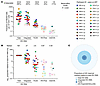 Figure 1
Markers of HIV persistence in early-ART-treated Thai children. (A) Frequencies of CD4+ infected cells in samples from 23 ART-suppressed children were estimated using up to 5 assays: total HIV DNA (N = 23), integrated HIV DNA (N = 23), TILDA (N = 23), HIV-Flow (N = 14), and mQVOA (N = 9). Undetectable samples are plotted as half of limit of detection (LOD) and represented as unfilled symbols. The total number of detectable samples and corresponding frequencies are indicated. Data were log10-transformed, and mixed effects analyses were performed to account for repeated measures within individuals and to determine differences between measurements. (B) Relative proportions of each HIV reservoir marker, normalized to the total HIV DNA levels for each individual. For panels A and B, red lines represent medians. Each participant is represented by a unique color and unique ID, followed by the number of years on suppressive ART. Undetectable measurements are represented as unfilled symbols. (C) Proportions of HIV reservoir markers relative to total HIV DNA are presented as a concentric circle plot. The plot uses the median values from B to represent the proportions.
The relative proportions of each HIV reservoir marker normalized to the total HIV DNA levels revealed that only 2.9% of all HIV genomes produced multiply spliced transcripts upon activation (Figure 1, B and C), whereas less than 1% produced viral proteins and less than 0.3% produced infectious virions. Together, these results highlight the limited inducibility and replication capacity of the viral genomes in these ART-suppressed children.
Distribution of integrated HIV DNA in CD4+ T cell subsets. To determine if the low inducibility of the viral genomes retrieved from these children could be attributed to their cellular location, we aimed to identify the cellular subsets carrying these poorly inducible proviruses. CD4+ T cells from 14 early-treated children on ART for a median of 2.1 [1.4–3.4] years (Supplemental Table 3) were analyzed by sorting naive, central, transitional, and effector memory cells (N, CM, TM, and EM, respectively) to quantify integrated HIV DNA within each subset (Supplemental Figure 4A). Since this experiment was combined with the HIV-Flow measures presented in Figure 1A, CD4+ T cells were prestimulated before sorting. Of note, stimulated and unstimulated samples showed similar distributions of CD4+ T cell subsets and comparable frequencies of integrated HIV DNA across subsets, indicating that short-term stimulation did not substantially affect these measurements (Supplemental Figure 4, B and C). As expected, the CD4+ compartment was primarily composed of naive cells (median 84.5% [76.5–87.9] naive CD4+ T cells), while CM, TM, and EM represented only 7.8% [5.9–11.7], 1.8% [1.2–2.7], and 0.9% [0.7–1.7] of all CD4+ T cells, respectively (mixed effects models P < 0.001, Figure 2A). All 3 memory subsets displayed higher frequencies of cells with integrated HIV DNA compared with naive cells (mixed effects models, P < 0.001, Figure 2B), in line with previous reports in adults (33). The median frequencies of cells harboring integrated HIV DNA increased with T cell differentiation: naive 16 [5–84], CM 179 [85–1,158], TM 226 [105–2,664], and EM 1,953 [135–45,962] infected cells per 106 cells. We calculated the relative contribution of each subset to the pool of infected cells and observed that CM cells were the main contributors to the pool of cells harboring integrated HIV DNA (52% [SD 28], Figure 2C). While naive cells represented a mean of 82.6% (SD 5.72) of all CD4+ T cells, their contribution to the pool of cells harboring integrated HIV DNA was only 17.3% (SD 21.8) (P < 0.001, Figure 2D). Conversely, effector memory cells were rare (mean 1.4%) (SD 1.2) but encompassed 25.3% (SD 30.2) of cells with integrated viral genomes (P < 0.001, Figure 2D). These results indicate that while naive cells are abundant, they minimally contribute to the HIV reservoir and that the CM subset serves as a major reservoir for HIV in these early-treated children.
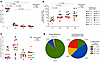 Figure 2
Distribution of integrated HIV DNA in CD4+ T cell subsets in early-ART-treated Thai children. (A) Percentage of CD4+ T cell subsets (naive, central memory [CM], transitional memory [TM], and effector memory [EM]) among total CD4+ T cells in 14 early ART-treated children. (B) Frequency of cells harboring integrated HIV DNA in sorted CD4+ T cell subsets from the same individuals. Undetectable measurements are represented as unfilled symbols, and the half of the LOD are plotted. (C) Contribution of each CD4+ T cell subset to the pool of HIV-infected cells from each individual. In panels A and B, red lines denote median values, whereas in panel C, they denote mean values. Each sample is represented by a unique color-coded symbol and unique ID, followed by the number of years on suppressive ART. Data were log10-transformed, and mixed effects analyses were performed, followed by Tukey’s test to identify differences between the CD4+ T cell subsets. PMA/ionomycin-stimulated cells and unstimulated cells are plotted as circles and squares, respectively. (D) Comparison of the contribution of the percentage of CD4+ T cell subsets to the pool of circulating CD4+ T cells and to the pool of HIV-infected cells, summarized by pie charts displaying the mean proportions across individuals. Wilcoxon’s matched pairs signed-rank test was used to compare the contribution of each CD4+ T cell subset to the pool of circulating cells with its contribution to the pool of HIV-infected cells.
The distribution of integrated HIV DNA across T cell subsets in viremic children (Supplemental Table 4) mirrored that observed in those with viral suppression, with memory subsets — particularly CM cells — harboring the most HIV genomes (Supplemental Figure 4, D–I).
To determine whether the inducibility of HIV proviruses may increase as children age, we measured total and integrated HIV DNA, as well as the inducible reservoir by TILDA and the translation-competent reservoir by HIV-Flow, in samples from 8 early-treated, ART-suppressed children collected 2 years apart (1.9 [1.9–2.1] years, Supplemental Table 5). There was a statistically significant decrease in the frequency of cells harboring total HIV DNA over time (ratio = 1.2 [2.9–12.6], P = 0.04, Figure 3A). Although they tended to decrease, the frequencies of cells harboring integrated HIV DNA and inducible HIV transcripts (TILDA) did not significantly differ between the 2 time points. Translation-competent reservoirs measured by HIV-Flow were undetectable in all but 1 sample, indicating that the proviral genomes persisting in early-treated children on ART remain poorly inducible during the first 5 years of life.
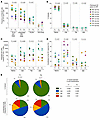 Figure 3
Evolution of the HIV persistence markers and distribution of integrated HIV DNA in CD4+ T cell subsets over time in early-ART-treated Thai children. (A) Changes over time in the frequencies of infected cells in samples from 8 ART-suppressed children were assessed at 2 time points using 4 assays: total HIV DNA, integrated HIV DNA, TILDA, and HIV-Flow. Undetectable measurements are represented as unfilled symbols, and the half of the LOD are plotted. (B) Percentage of CD4+ T cell subsets (naive, central memory [CM], transitional memory [TM], and effector memory [EM]) among total CD4+ T cells in the same 8 early-ART-treated children at the same time points. (C) Frequency of cells harboring integrated HIV DNA in sorted CD4+ T cell subsets from the same individuals. Undetectable measurements are represented as unfilled symbols, and the half of the LOD are plotted. (D) Contribution of each CD4+ T cell subset to the pool of HIV-infected cells from each individual. For panels A–D, each sample is represented by a unique color-coded symbol and unique ID, followed by the number of years on suppressive ART from the first (T1) and second (T2) time point. Data were log10-transformed, and Wilcoxon’s matched pairs signed-rank test was used to compare both time points. (E) Comparison of the contribution of CD4+ T cell subsets to the pool of circulating CD4+ T cells and to the pool of HIV-infected cells, summarized by pie charts displaying the mean proportions across individuals at T1 and T2. Wilcoxon’s matched pairs signed-rank test was used to compare the contribution of each CD4+ T cell subset to the pool of circulating cells with its contribution to the pool of HIV-infected cells.
The relative proportions of CD4+ T cell subsets undergo dynamic changes and rapid maturation in the early years of childhood. To determine if the cellular location of HIV reservoirs may be affected by these changes, we measured HIV DNA levels in cell-sorted subsets from the longitudinal samples described above. As expected, the frequency of naive CD4+ T cells significantly decreased with age (fold-change = 0.95 [0.92–0.98], P = 0.04), while the frequencies of EM subset slightly increased (fold-change = 1.6 [1.3–2.3], P = 0.02, Figure 3B). Integrated HIV DNA levels decreased significantly in naive and CM (P = 0.008 in both cases, Figure 3C), while the trends observed in TM and EM did not reach statistical significance. The relative contribution of each subset to the pool of cells harboring integrated HIV DNA did not significantly change over time, with CM carrying the bulk of viral genomes at both time points (Figure 3, D and E). In these children, memory cells represented only a mean of 11.8% (SD 4.7) at T1 to 13.6% (SD 4.4) at T2 of all CD4+ T cells but harbored 77.3% (SD 22.1) at T1 to 84.5% (SD 15.8) at T2 of the HIV genomes (Figure 3E). Overall, our results indicate that the HIV reservoir in early-treated children remains poorly inducible and primarily located in memory CD4+ T cells during the first 5 years of life.
Long-term HIV reservoir dynamics. The results of the experiments described above indicate that CD4+ T cells harboring inducible HIV genomes are extremely rare after 2–5 years of therapy. To better understand the dynamic of the viral reservoir from ART initiation (i.e., <21 weeks of age) through to 9.9 years of therapy, we used longitudinal samples from 49 children with early-treated perinatal infection (Supplemental Table 6). Total HIV DNA, integrated HIV DNA, and frequency of CD4+ T cells producing multiply spliced RNA (msRNA) were detected in all children at high levels before ART initiation (2,189 [691–10,011], 139 [51–845], and 50 [1–114] infected cells per 106 CD4+ T cells, respectively, Figure 4A). Longitudinal analysis revealed a biphasic decay of all HIV persistence markers with ART administration, with a rapid initial decline followed by a slower decay. During the first-phase decay (0 to 1.2 years of ART), total HIV DNA, integrated HIV DNA, and TILDA measures rapidly decreased with similar half-lives (decay of –1.11, –0.69, and –1.07 log10 infected cells/yr, respectively, P < 0.001 in all cases). This was followed by a second phase (after 1.2 years of ART), during which all 3 HIV reservoir markers remained stable (–0.03, 0.02, and –0.02 log10 infected cells/yr, respectively, decay P = NS). Despite no apparent decrease in the size of the inducible reservoir, the proportion of participants with detectable TILDAs decreased with time on ART: msRNA+ cells were detected by TILDA in all children at baseline (100%, n = 14), in 59% after 1 to 4 years on ART (n = 75), and in less than 40% of the participants after 5 years of therapy (n = 25) (Figure 4B). Together, our longitudinal analysis revealed that early-treated children experienced a rapid decline of all HIV markers during the first year of life. During the second phase, HIV DNA remained stable for up to 9.9 years of follow-up, while cells harboring inducible HIV genomes became undetectable at our sampling depth in most participants after 5 years of continuous ART.
 Figure 4
Evolution of the HIV persistence markers over time in early-ART-treated Thai children. (A) Long-term dynamics of HIV persistence markers before and after early ART initiation (up to 10 years of follow-up) in 49 vertically infected Thai children. The frequency of cells harboring total (left panel) and integrated (middle panel) HIV DNA in CD4+ T cells was measured using real-time PCR, and the frequency of CD4+ T cells producing msRNA following 12-hour stimulation with PMA/ionomycin (right panel) was quantified by TILDA. Segmental-linear models were used to measure longitudinal decays in each HIV reservoir marker. Each dot represents a time point analyzed for a given participant, and samples from the same individual are connected. The best fitted model for each virological marker is presented in red. Intercept, as well as slopes (first and second phase decays) are indicated. P values indicate whether the slopes are significantly different from 0, indicating a decay in the HIV reservoir markers over time. (B) Proportion of samples with detectable and undetectable TILDA values at different time points.
Clonal expansion contributes to the stability of HIV DNA levels. The stability of HIV DNA levels in these early-treated children contrasts with the continuous decline reported in adults who received ART in the first few weeks of infection (37). Since the pool of cells harboring HIV DNA is primarily maintained by clonal expansion in adults on ART (38–40), we sought to measure the level of clonality in the pediatric reservoir. We obtained 1,305 near full-length HIV genome sequences from 26 samples (16 participants; from 1 to 4 time points per participant ranging from the day of ART initiation to more than 7 years on ART, Supplemental Table 7). Our sequencing approach covers 92.8% (position 639 to 9,598 on the Consensus AE genome reference) of the whole HIV genome (41) and can be used to document clonal expansion, defined as clusters of 100% identical viral genomes (42). We performed an in-depth analysis of the reservoir clonality in 4 longitudinal samples from participant 30 (Figure 5A). All 52 genomes retrieved from the pre-ART time point were genetically unique, indicating that clonal proliferation is rare during viremia. Small clonal expansions were detected after 2 years of ART, and clonality gradually increased with time on therapy (Figure 5A). Three clusters of proviruses were also shared between 2 time points (data not shown). We used cross-sectional samples of early-treated children followed for up to 9 years to confirm these observations. Clonally expanded proviruses were detected in all samples from children on ART (between 1 and 15 clones per sample) and in only 1 of the 3 viremic samples tested (Figure 5B). Overall, only 6.5% of the viral sequences obtained before ART were clonally expanded. Clonality gradually increased with time on ART from 36% after 2–3 years to 40% after 5–6 years and 65% after more than 7 years of continuous viral suppression (Figure 5C and Supplemental Figure 5A). This increased clonality of HIV genomes during long-term ART was statistically significant (Cochran-Armitage Test: P < 0.001) and indicates that clonal expansion is a major contributor to the stability of the pool of cells harboring HIV DNA in early-treated vertically infected children.
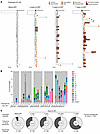 Figure 5
Clonality of the HIV reservoir over time in early-ART-treated Thai children. (A) Phylogenetic trees of near full-length HIV genomes of participant 030 at 4 time points (before ART, and after 2, 3, and 7 years on ART). Clonal expansions of 100% identical proviral sequences are clustered together in a dark box. (B) Percentage of the HIV reservoir composed of unique proviral sequences (light gray) and of clonal expansions (colors) of 26 samples. Each sample was composed of 1 to 15 clones. (C) Pie charts representing the proportion of the HIV reservoir that is composed of clonal HIV genomes (dark gray) or unique ones (light gray) for all samples of each time point. The total number of proviruses per time point is indicated in the center of the pie chart, and the number of samples per time point is noted at the top. P value (Cochran-Armitage Test for Trend) indicates that the trend of an increasing proportion of clonal HIV sequences is significant (P < 0.001).
Scarcity of intact HIV genomes. The above results suggest that the pool of cells harboring HIV genomes is maintained by clonal proliferation. The observed decline over time in the frequency of cells containing inducible HIV genomes suggests that genetically intact HIV is gradually and selectively depleted during long-term ART. To test this hypothesis, we interrogated the genetic integrity of the proviral reservoir over time by sequencing 1,305 near full-length HIV genomes from 26 samples from children with perinatal HIV, from ART initiation and after up to 9.9 years on ART. We used 4 longitudinal samples from participant 30 to perform an in-depth analysis of the reservoir integrity (Figure 6A). Before ART initiation, 40% (21/52) of the HIV genomes were intact. The proportion of genetically intact proviral sequences rapidly decreased after ART initiation, from 14% after 2 years (5/36) to 6% after 3 years (3/50). Remarkably, none of the 73 proviral sequences obtained from a sample collected after 7 years of ART were predicted to be intact (Figure 6A). Similar observations were made when we analyzed proviral sequences in multiple participants collected at several time points: intact proviruses were detected in samples from all 3 participants sampled before ART initiation, while the proportion of children carrying genetically intact genomes decreased with time on ART (5/6 after 2 years, 4/5 after 3 years, 1/5 after 5–6 years, and 1/7 after more than 7 years on ART, Figure 6B). Overall, genetically intact genomes represented 47.5% of all proviruses before ART (95/200), 11.3% (32/282) after 2 years, 6.1% (16/263) after 3 years, 1.0% (2/194) after 5–6 years, and 0.3% (1/366) after more than 7 years on ART (Figure 6C and Supplemental Figure 5B). Large internal deletions were the most prominent types of defects at all time points, and their proportion tended to gradually increase with time.
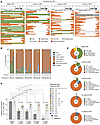 Figure 6
Integrity of the HIV reservoir over time in early-ART-treated Thai children. (A) Near full-length HIV genome alignments of participant 030 at 4 time points (before ART, and after 2, 3, and 7 years on ART). Each sequence is color-coded based on its integrity. (B) Percentage of each integrity categories of the HIV reservoir of 26 samples. Each sample was composed of 1 to 15 clones. (C) Pie charts representing the proportion of each integrity categories of the HIV reservoir for all samples of each time point. The percentage of each category is shown in the legend of the pie chart. The total number of proviruses per time point is indicated in the center of the pie chart, and the number of samples per time point with intact proviruses is noted at the top. P value (Cochran-Armitage Test for Trend) indicates that the trend of a decreasing proportion of intact HIV sequences is significant (P < 0.001). (D) Frequency of defective (light gray bars) and intact (dark gray bars) proviruses sequenced per million CD4+ T cells tested. Each dot represents the value for a specific sample, and each PID is color-coded. Bar graph shows the mean value for each group. Unfilled circle corresponds to undetectable values.
We also calculated the frequencies of CD4+ T cells harboring intact and defective proviruses in these early-treated Thai children. Before ART initiation, CD4+ T cells harboring intact and defective proviruses were detected at similar frequencies (371 [100–842] intact and 317 [123–570] defective proviruses per million CD4+ T cells). Frequencies of cells with defective proviruses rapidly decreased during the first 2 years of ART (33.7 cells per million CD4+ T cells, P = 0.02) and remained stable afterward (57.5 after 3 years, 63.1 after 5–6 years, 57.4 after more than 7 years) (Figure 6D). In sharp contrast, frequencies of cells harboring intact HIV genomes continuously decreased during years of viral suppression (4.5, 3.6, 1.1, and 0.07 cells per million CD4+ T cells after 2, 3, 5–6, and >7 years of ART, respectively). Overall, while the pool of cells harboring HIV DNA was stable, genetically intact HIV genomes were selectively depleted and exceedingly rare after 7 years of therapy, indicating that children who initiated ART early after perinatal infection have an exquisite capacity to naturally clear their viral reservoir.


Copyright © 2026 American Society for Clinical Investigation
ISSN: 0021-9738 (print), 1558-8238 (online)