
Advertisement
Research ArticleInflammationNeuroscience
Open Access |  10.1172/JCI194139
Galectin-3 mediates lysosome-related inflammation within monocyte-derived macrophages in a mouse model of ischemic brain injury
Miao Wang,1,2 Zhentai Huang,1,2 Zhihong Du,2 Jiajing Shan,1,2 Qing Ye,1,2 Lingxiao Lu,2 Ming Jiang,2 Fei Xu,1,2 Ziyang Liu,3 David J.R. Fulton,4 Rehana K. Leak,5 Babak Razani,3,6 Jun Chen,1,2 and Xiaoming Hu1,2
1Geriatric Research Education and Clinical Center, Veterans Affairs Pittsburgh Health Care System, Pittsburgh, Pennsylvania, USA.
2Department of Neurology, University of Pittsburgh School of Medicine, Pittsburgh, Pennsylvania, USA.
3Department of Medicine and Vascular Medicine Institute, University of Pittsburgh School of Medicine, University of Pittsburgh Medical Center, Pittsburgh, Pennsylvania, USA.
4Vascular Biology Center, Medical College of Georgia, Augusta University, Augusta, Georgia, USA.
5Division of Pharmaceutical Sciences, Duquesne University, Pittsburgh, Pennsylvania, USA.
6Pittsburgh VA Medical Center, Pittsburgh, Pennsylvania, USA.
Address correspondence to: Xiaoming Hu, University of Pittsburgh, 200 Lothrop Street, Pittsburgh, Pennsylvania 15213, USA. Phone: 412.648.8991; Email: hux2@upmc.edu.
Find articles by Wang, M. in: PubMed | Google Scholar
1Geriatric Research Education and Clinical Center, Veterans Affairs Pittsburgh Health Care System, Pittsburgh, Pennsylvania, USA.
2Department of Neurology, University of Pittsburgh School of Medicine, Pittsburgh, Pennsylvania, USA.
3Department of Medicine and Vascular Medicine Institute, University of Pittsburgh School of Medicine, University of Pittsburgh Medical Center, Pittsburgh, Pennsylvania, USA.
4Vascular Biology Center, Medical College of Georgia, Augusta University, Augusta, Georgia, USA.
5Division of Pharmaceutical Sciences, Duquesne University, Pittsburgh, Pennsylvania, USA.
6Pittsburgh VA Medical Center, Pittsburgh, Pennsylvania, USA.
Address correspondence to: Xiaoming Hu, University of Pittsburgh, 200 Lothrop Street, Pittsburgh, Pennsylvania 15213, USA. Phone: 412.648.8991; Email: hux2@upmc.edu.
Find articles by Huang, Z. in: PubMed | Google Scholar
1Geriatric Research Education and Clinical Center, Veterans Affairs Pittsburgh Health Care System, Pittsburgh, Pennsylvania, USA.
2Department of Neurology, University of Pittsburgh School of Medicine, Pittsburgh, Pennsylvania, USA.
3Department of Medicine and Vascular Medicine Institute, University of Pittsburgh School of Medicine, University of Pittsburgh Medical Center, Pittsburgh, Pennsylvania, USA.
4Vascular Biology Center, Medical College of Georgia, Augusta University, Augusta, Georgia, USA.
5Division of Pharmaceutical Sciences, Duquesne University, Pittsburgh, Pennsylvania, USA.
6Pittsburgh VA Medical Center, Pittsburgh, Pennsylvania, USA.
Address correspondence to: Xiaoming Hu, University of Pittsburgh, 200 Lothrop Street, Pittsburgh, Pennsylvania 15213, USA. Phone: 412.648.8991; Email: hux2@upmc.edu.
Find articles by Du, Z. in: PubMed | Google Scholar
1Geriatric Research Education and Clinical Center, Veterans Affairs Pittsburgh Health Care System, Pittsburgh, Pennsylvania, USA.
2Department of Neurology, University of Pittsburgh School of Medicine, Pittsburgh, Pennsylvania, USA.
3Department of Medicine and Vascular Medicine Institute, University of Pittsburgh School of Medicine, University of Pittsburgh Medical Center, Pittsburgh, Pennsylvania, USA.
4Vascular Biology Center, Medical College of Georgia, Augusta University, Augusta, Georgia, USA.
5Division of Pharmaceutical Sciences, Duquesne University, Pittsburgh, Pennsylvania, USA.
6Pittsburgh VA Medical Center, Pittsburgh, Pennsylvania, USA.
Address correspondence to: Xiaoming Hu, University of Pittsburgh, 200 Lothrop Street, Pittsburgh, Pennsylvania 15213, USA. Phone: 412.648.8991; Email: hux2@upmc.edu.
Find articles by Shan, J. in: PubMed | Google Scholar
1Geriatric Research Education and Clinical Center, Veterans Affairs Pittsburgh Health Care System, Pittsburgh, Pennsylvania, USA.
2Department of Neurology, University of Pittsburgh School of Medicine, Pittsburgh, Pennsylvania, USA.
3Department of Medicine and Vascular Medicine Institute, University of Pittsburgh School of Medicine, University of Pittsburgh Medical Center, Pittsburgh, Pennsylvania, USA.
4Vascular Biology Center, Medical College of Georgia, Augusta University, Augusta, Georgia, USA.
5Division of Pharmaceutical Sciences, Duquesne University, Pittsburgh, Pennsylvania, USA.
6Pittsburgh VA Medical Center, Pittsburgh, Pennsylvania, USA.
Address correspondence to: Xiaoming Hu, University of Pittsburgh, 200 Lothrop Street, Pittsburgh, Pennsylvania 15213, USA. Phone: 412.648.8991; Email: hux2@upmc.edu.
Find articles by Ye, Q. in: PubMed | Google Scholar
1Geriatric Research Education and Clinical Center, Veterans Affairs Pittsburgh Health Care System, Pittsburgh, Pennsylvania, USA.
2Department of Neurology, University of Pittsburgh School of Medicine, Pittsburgh, Pennsylvania, USA.
3Department of Medicine and Vascular Medicine Institute, University of Pittsburgh School of Medicine, University of Pittsburgh Medical Center, Pittsburgh, Pennsylvania, USA.
4Vascular Biology Center, Medical College of Georgia, Augusta University, Augusta, Georgia, USA.
5Division of Pharmaceutical Sciences, Duquesne University, Pittsburgh, Pennsylvania, USA.
6Pittsburgh VA Medical Center, Pittsburgh, Pennsylvania, USA.
Address correspondence to: Xiaoming Hu, University of Pittsburgh, 200 Lothrop Street, Pittsburgh, Pennsylvania 15213, USA. Phone: 412.648.8991; Email: hux2@upmc.edu.
Find articles by Lu, L. in: PubMed | Google Scholar
1Geriatric Research Education and Clinical Center, Veterans Affairs Pittsburgh Health Care System, Pittsburgh, Pennsylvania, USA.
2Department of Neurology, University of Pittsburgh School of Medicine, Pittsburgh, Pennsylvania, USA.
3Department of Medicine and Vascular Medicine Institute, University of Pittsburgh School of Medicine, University of Pittsburgh Medical Center, Pittsburgh, Pennsylvania, USA.
4Vascular Biology Center, Medical College of Georgia, Augusta University, Augusta, Georgia, USA.
5Division of Pharmaceutical Sciences, Duquesne University, Pittsburgh, Pennsylvania, USA.
6Pittsburgh VA Medical Center, Pittsburgh, Pennsylvania, USA.
Address correspondence to: Xiaoming Hu, University of Pittsburgh, 200 Lothrop Street, Pittsburgh, Pennsylvania 15213, USA. Phone: 412.648.8991; Email: hux2@upmc.edu.
Find articles by Jiang, M. in: PubMed | Google Scholar
1Geriatric Research Education and Clinical Center, Veterans Affairs Pittsburgh Health Care System, Pittsburgh, Pennsylvania, USA.
2Department of Neurology, University of Pittsburgh School of Medicine, Pittsburgh, Pennsylvania, USA.
3Department of Medicine and Vascular Medicine Institute, University of Pittsburgh School of Medicine, University of Pittsburgh Medical Center, Pittsburgh, Pennsylvania, USA.
4Vascular Biology Center, Medical College of Georgia, Augusta University, Augusta, Georgia, USA.
5Division of Pharmaceutical Sciences, Duquesne University, Pittsburgh, Pennsylvania, USA.
6Pittsburgh VA Medical Center, Pittsburgh, Pennsylvania, USA.
Address correspondence to: Xiaoming Hu, University of Pittsburgh, 200 Lothrop Street, Pittsburgh, Pennsylvania 15213, USA. Phone: 412.648.8991; Email: hux2@upmc.edu.
Find articles by Xu, F. in: PubMed | Google Scholar
1Geriatric Research Education and Clinical Center, Veterans Affairs Pittsburgh Health Care System, Pittsburgh, Pennsylvania, USA.
2Department of Neurology, University of Pittsburgh School of Medicine, Pittsburgh, Pennsylvania, USA.
3Department of Medicine and Vascular Medicine Institute, University of Pittsburgh School of Medicine, University of Pittsburgh Medical Center, Pittsburgh, Pennsylvania, USA.
4Vascular Biology Center, Medical College of Georgia, Augusta University, Augusta, Georgia, USA.
5Division of Pharmaceutical Sciences, Duquesne University, Pittsburgh, Pennsylvania, USA.
6Pittsburgh VA Medical Center, Pittsburgh, Pennsylvania, USA.
Address correspondence to: Xiaoming Hu, University of Pittsburgh, 200 Lothrop Street, Pittsburgh, Pennsylvania 15213, USA. Phone: 412.648.8991; Email: hux2@upmc.edu.
Find articles by Liu, Z. in: PubMed | Google Scholar
1Geriatric Research Education and Clinical Center, Veterans Affairs Pittsburgh Health Care System, Pittsburgh, Pennsylvania, USA.
2Department of Neurology, University of Pittsburgh School of Medicine, Pittsburgh, Pennsylvania, USA.
3Department of Medicine and Vascular Medicine Institute, University of Pittsburgh School of Medicine, University of Pittsburgh Medical Center, Pittsburgh, Pennsylvania, USA.
4Vascular Biology Center, Medical College of Georgia, Augusta University, Augusta, Georgia, USA.
5Division of Pharmaceutical Sciences, Duquesne University, Pittsburgh, Pennsylvania, USA.
6Pittsburgh VA Medical Center, Pittsburgh, Pennsylvania, USA.
Address correspondence to: Xiaoming Hu, University of Pittsburgh, 200 Lothrop Street, Pittsburgh, Pennsylvania 15213, USA. Phone: 412.648.8991; Email: hux2@upmc.edu.
Find articles by
Fulton, D.
in:
PubMed
|
Google Scholar
|

1Geriatric Research Education and Clinical Center, Veterans Affairs Pittsburgh Health Care System, Pittsburgh, Pennsylvania, USA.
2Department of Neurology, University of Pittsburgh School of Medicine, Pittsburgh, Pennsylvania, USA.
3Department of Medicine and Vascular Medicine Institute, University of Pittsburgh School of Medicine, University of Pittsburgh Medical Center, Pittsburgh, Pennsylvania, USA.
4Vascular Biology Center, Medical College of Georgia, Augusta University, Augusta, Georgia, USA.
5Division of Pharmaceutical Sciences, Duquesne University, Pittsburgh, Pennsylvania, USA.
6Pittsburgh VA Medical Center, Pittsburgh, Pennsylvania, USA.
Address correspondence to: Xiaoming Hu, University of Pittsburgh, 200 Lothrop Street, Pittsburgh, Pennsylvania 15213, USA. Phone: 412.648.8991; Email: hux2@upmc.edu.
Find articles by
Leak, R.
in:
PubMed
|
Google Scholar
|
1Geriatric Research Education and Clinical Center, Veterans Affairs Pittsburgh Health Care System, Pittsburgh, Pennsylvania, USA.
2Department of Neurology, University of Pittsburgh School of Medicine, Pittsburgh, Pennsylvania, USA.
3Department of Medicine and Vascular Medicine Institute, University of Pittsburgh School of Medicine, University of Pittsburgh Medical Center, Pittsburgh, Pennsylvania, USA.
4Vascular Biology Center, Medical College of Georgia, Augusta University, Augusta, Georgia, USA.
5Division of Pharmaceutical Sciences, Duquesne University, Pittsburgh, Pennsylvania, USA.
6Pittsburgh VA Medical Center, Pittsburgh, Pennsylvania, USA.
Address correspondence to: Xiaoming Hu, University of Pittsburgh, 200 Lothrop Street, Pittsburgh, Pennsylvania 15213, USA. Phone: 412.648.8991; Email: hux2@upmc.edu.
Find articles by
Razani, B.
in:
PubMed
|
Google Scholar
|
1Geriatric Research Education and Clinical Center, Veterans Affairs Pittsburgh Health Care System, Pittsburgh, Pennsylvania, USA.
2Department of Neurology, University of Pittsburgh School of Medicine, Pittsburgh, Pennsylvania, USA.
3Department of Medicine and Vascular Medicine Institute, University of Pittsburgh School of Medicine, University of Pittsburgh Medical Center, Pittsburgh, Pennsylvania, USA.
4Vascular Biology Center, Medical College of Georgia, Augusta University, Augusta, Georgia, USA.
5Division of Pharmaceutical Sciences, Duquesne University, Pittsburgh, Pennsylvania, USA.
6Pittsburgh VA Medical Center, Pittsburgh, Pennsylvania, USA.
Address correspondence to: Xiaoming Hu, University of Pittsburgh, 200 Lothrop Street, Pittsburgh, Pennsylvania 15213, USA. Phone: 412.648.8991; Email: hux2@upmc.edu.
Find articles by
Chen, J.
in:
PubMed
|
Google Scholar
|
1Geriatric Research Education and Clinical Center, Veterans Affairs Pittsburgh Health Care System, Pittsburgh, Pennsylvania, USA.
2Department of Neurology, University of Pittsburgh School of Medicine, Pittsburgh, Pennsylvania, USA.
3Department of Medicine and Vascular Medicine Institute, University of Pittsburgh School of Medicine, University of Pittsburgh Medical Center, Pittsburgh, Pennsylvania, USA.
4Vascular Biology Center, Medical College of Georgia, Augusta University, Augusta, Georgia, USA.
5Division of Pharmaceutical Sciences, Duquesne University, Pittsburgh, Pennsylvania, USA.
6Pittsburgh VA Medical Center, Pittsburgh, Pennsylvania, USA.
Address correspondence to: Xiaoming Hu, University of Pittsburgh, 200 Lothrop Street, Pittsburgh, Pennsylvania 15213, USA. Phone: 412.648.8991; Email: hux2@upmc.edu.
Find articles by Hu, X. in: PubMed | Google Scholar
Published February 17, 2026 - More info
J Clin Invest. 2026;136(8):e194139. https://doi.org/10.1172/JCI194139.
© 2026 Wang et al. This work is licensed under the Creative Commons Attribution 4.0 International License. To view a copy of this license, visit http://creativecommons.org/licenses/by/4.0/.
Received: April 17, 2025; Accepted: February 12, 2026


-
Results
GAL3 expression is rapidly increased in brain-invading MDMø after ischemic stroke. We analyzed scRNA-seq datasets from different publications (3, 19) to define the cellular expression of Lgals3, the gene encoding GAL3, in the ischemic brain. In the first dataset (19), Lgals3 was barely detected in the sham brain but was highly expressed in MDMø (identified by high expression of Lyz2 and low expression of Tmem119) and expressed at a lower level in microglia (identified by high expression of Tmem119 and low expression of Lyz2) at both 3 and 14 d after transient middle cerebral artery occlusion (tMCAO) for 60 min (Figure 1, A and B). Analysis of another single-cell transcriptomic study of brain and blood cells collected 2 or 14 d after tMCAO (GSE225948) (3) revealed a similar distribution of Lgals3 in sorted CD45hi cells of the brain (Supplemental Figure 1, A and B; supplemental material available online with this article; https://doi.org/10.1172/JCI194139DS1) as well as high Lgals3 expression in peripheral monocytes and neutrophils (Supplemental Figure 1, C and D). Immunostaining verified the low basal expression of GAL3 in the contralateral unlesioned brains, while its expression increased in the core and peri-infarct areas of ischemic brains (Figure 1, C and D). Almost all GAL3+ signal was detected in IBA1+ MDMø/microglia (Figure 1E). High GAL3+IBA1+ cell counts (Figure 1F) and robust GAL3 signal within IBA1+ cells (Figure 1G) were detected in the ischemic core and peri-infarct areas of both young and aged male mice 5 d after tMCAO. GAL3 expression was also detected in some IBA1+CD206+ border-associated Mø, although the number of border-associated Mø was low (Supplemental Figure 1G). GAL3 was not expressed in MPO+ infiltrating neutrophils (Supplemental Figure 1E) and was expressed at low levels in CD11c+ DCs (Supplemental Figure 1F), consistent with scRNA-seq data (Figure 1, A and B, and Supplemental Figure 1, A and B). GAL3 signal was nearly undetectable in other CNS cells, such as NEUN+ neurons (Supplemental Figure 1H), CD31+ endothelial cells (Supplemental Figure 1I), or GFAP+ astrocytes (Supplemental Figure 1J).
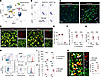 Figure 1
GAL3 expression is rapidly increased in brain-invading MDMø after ischemic stroke. (A) UMAP plot showing clustering and cluster annotations of brain cells from young male mice 3 and 14 d after tMCAO or sham operation. BAM, border-associated Mø; EC, endothelial cells; OPC, oligodendrocyte precursor cells; T/NKT, T cells and natural killer T cells. (B) UMAP plots illustrating the expression of signature genes for microglia (Tmem119) and MDMø (Lyz2) and demonstrating the expression of Lgals3 in MDMø and microglia. (C) Representative double labeling of IBA1 and GAL3 in ischemic brain and contralesional brain tissues 5 d after tMCAO. Scale bars: 40 μm. (D) Immunostaining of IBA1 and GAL3 in peri-infarct areas of young (5-month-old) and aged (20-month-old) mice 5 d after tMCAO. Scale bars: 20 μm. (E) Percentage of GAL3+IBA1+cells among all GAL3+ cells in ischemic core, peri-infarct (peri), and remote zones in the ischemic brain. (F) Numbers of GAL3+IBA1+ cells in the ischemic core and peri-infarct areas. (G) Quantification of GAL3 intensity within IBA1+ cells in the ischemic core and peri-infarct areas. N = 4–8/group for E–G. (H) Flow cytometry to detect GAL3 expression in CD45hiLY6G−CD11b+CXCR4+ MDMø and CD45intLY6G−CD11b+CXCR4− microglia in ischemic brains after tMCAO. (I) Number of total GAL3+CD45+CD11b+LY6G− cells in ipsilateral and contralateral brains of young mice 3 and 5 d after tMCAO. (J) MFI of GAL3 in MDMø and microglia. N = 4/group for I and J. (K) Left: Representative GAL3 and IBA1 staining in peri-infarct area of young Ccr2CreERAi14(RFP) mice 5 d after tMCAO. Arrows mark GAL3+IBA1+CCR2(RFP)+ infiltrating MDMø. Arrowheads mark GAL3+IBA1+RFP– microglia. Right: Quantification of GAL3 intensity in RFP+IBA1+ MDMø and RFP–IBA1+ microglia. N = 4/group. **P < 0.01, ***P < 0.001. Two-tailed, unpaired Student’s t test (K) or 2-way ANOVA and Bonferroni’s test (F, G, I, and J).
We used flow cytometry to distinguish GAL3 expression in MDMø versus microglia 3 and 5 d after tMCAO. MDMø and microglia were distinguished by CD45 and CXCR4, a marker of hematopoietic stem cell–derived monocytes/Mø (Figure 1H) (20). An increased number of GAL3+CD45+CD11b+LY6G− MDMø/microglia were observed in the ischemic hemisphere compared with the contralateral hemisphere (Figure 1I). In addition, the intensity of the GAL3 signal was considerably higher in CD45hiCD11b+LY6G−CXCR4+ MDMø compared with CD45intCD11b+LY6G−CXCR4− microglia (Figure 1J). Similar results were obtained using Ccr2CreERAi14 (RFP) reporter mice, in which infiltrating CCR2(RFP)+IBA1+ MDMø and CCR2−IBA1+ microglia were observed in core and peri-infarct areas (Figure 1K). Similarly, GAL3 expression was distinctly higher in CCR2+IBA1+ MDMø than in CCR2–IBA1+ microglia (Figure 1K).
Global GAL3 KO diminishes brain infarcts early after stroke but does not sustain long-term positive outcomes. First, we used Lgals3 global KO mice to assess the importance of GAL3 in short- and long-term stroke outcomes. GAL3 deficiency reduced brain infarct volume 3 and 7 d after tMCAO (Figure 2, A and B). Consistent with lower ischemic lesion sizes at days 3 and 7, GAL3-KO mice demonstrated improved sensorimotor functions within a week after tMCAO, as shown by longer retention times on a rotating bar (Figure 2C) and fewer foot faults (Figure 2D). However, this short-term protection was unsustainable. Differences in sensorimotor functions between the 2 genotypes waned over time, as behavioral performance improved over time in WT but not GAL3 KO mice (Figure 2, C and D). Moreover, GAL3-KO mice displayed worsened memory deficits (Figure 2F) in the Morris water maze compared with WT mice at 27 d after tMCAO, despite their comparable learning capacity (Figure 2E) and swim speeds (Figure 2G). GAL3-KO and WT mice showed similar brain atrophy 28 d after tMCAO (Figure 2H). Collectively, our data suggest that high GAL3 expression exacerbates acute ischemic brain injury, although the continued expression of GAL3 is essential for long-term recovery after stroke.
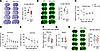 Figure 2
GAL3 KO reduces brain infarct in the early injury phase but does not improve neurological outcomes in the chronic injury phase after stroke. WT and GAL3-KO mice were subjected to 60 min tMCAO. (A) Representative Nissl staining and quantification of brain infarct 3 d after tMCAO. N = 10–12/group. The red dashed lines trace the border of infarct lesion. (B) Representative MAP2 staining and quantification of brain atrophy 7 d after tMCAO. N = 7–8/group. The red dashed lines trace the border of infarct lesion. (C and D) Sensorimotor function was assessed using the rotarod (C) and foot fault (D) tests. (E–G) Cognitive function was assessed using the Morris water maze test. (E) The latencies to locate the escape platform during the learning phase. (F) Time spent in the target quadrant where the escape platform was previously located during the memory probe test. (G) Average swim speed across the test phase. (H) Representative MAP2 staining and quantification of brain atrophy 28 d after tMCAO. The areas of contralesional hemisphere are reflected on the ipsilesional hemisphere (red dashed lines). N = 11/group for C–H. *P < 0.05. Two-tailed, unpaired Student’s t test (A, B, F, G, and H) and 2-way repeated measures ANOVA and Bonferroni’s test (C–E).
High GAL3 expression in MDMø mediates infarct expansion early after stroke. We explored whether the high expression of GAL3 in MDMø early after stroke underlies its detrimental effects on early stroke outcomes. To achieve GAL3 deletion in monocytes and MDMø without affecting GAL3 in microglia, BM chimera mice were constructed using our established protocol (21). The BM of GAL3-KO or WT mice was transferred to irradiated WT recipients (Figure 3A). WT/GAL3-KO chimera and WT/WT chimera were subjected to tMCAO 6 weeks after BM transplantation. WT/GAL3-KO chimera and WT/WT chimera mice displayed similar immune cell compositions within blood (Supplemental Figure 2, A and B). We confirmed that expression of GAL3 was abolished in CD11b+LY6G− monocytes in blood (Figure 3, B and C). We also capitalized on CD68 as a marker of phagocytic macrophages and observed dramatic suppression of IBA1+CD68+GAL3+ MDMø in the peri-infarct areas in the WT/GAL3-KO chimera 3 d after tMCAO (Figure 3D), consistent with our earlier findings that GAL3 signal in mononuclear phagocytes was largely of MDMø and not microglial origin (see Figure 1, J and K). WT/GAL3-KO mice also exhibited lower brain lesion sizes 3 d after stroke compared with WT/WT mice (Figure 3E). To exclude the possible effect of irradiation on resident microglia, we performed a separate set of experiments constructing WT/WT and WT/GAL3 chimera mice, with the recipients’ heads shielded during irradiation (Supplemental Figure 2C). Similarly, the WT/GAL3-KO mice exhibited lower brain lesion sizes 3 d after stroke compared with WT/WT mice (Supplemental Figure 2D).
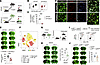 Figure 3
GAL3 expression in monocyte/Mø is instrumental in infarct expansion in the early stroke injury phase. (A) Experimental design of BM transplantation. (B and C) Flow cytometry detected depletion of GAL3+CD11b+ monocytes in the blood of WT/GAL3–/– chimera mice but not in WT/WT chimera mice. N = 4–5/group. (D) IBA1/CD68/GAL3 staining in ischemic brains from BM chimera mice 3 d after tMCAO. Scale bar: 40 µm. (E) Brain infarct was measured in WT/GAL3–/– and WT/WT chimera mice by MAP2 staining 3 d after tMCAO. N = 8–10/group. (F) Flow cytometry detection of GAL3 expression in different types of blood immune cells in WT mice 3 d after tMCAO. (G) Experimental design of monocyte depletion and BMDM adoptive transfer. (H) Brain infarcts were measured 3 d after after tMCAO by MAP2 staining in mice transferred with WT or GAL3–/– BMDMs. N = 6/group. (I) Myeloid cell–specific Lgals3-KO mice (LysMcre+/–Lgals3fl/fl) or control mice (Lgals3fl/fl) were subjected to 60 min tMCAO. Flow cytometry confirmed reduction of GAL3+CD11b+LY6G− monocytes in the blood of LysMcre+/–Lgals3fl/fl mice compared with Lgals3fl/fl mice. (J) Brain infarct was measured by MAP2 staining 3 d after tMCAO. N = 8–9/group. *P < 0.05, **P < 0.01, ***P < 0.001. Two-tailed, unpaired Student’s t test.
While evaluating GAL3 expression in WT blood cells, we discovered high expression in both CD11b+LY6G− monocytes and CD11b+LY6G+ neutrophils (Figure 3F). To further explore the function of GAL3 in MDMø, we performed Mø transfer experiments. First, WT mice were injected intravenously with clodronate liposomes to achieve monocyte/Mø depletion 48 h before 60 min tMCAO. BM-derived Mø (BMDMs) were prepared from the WT and GAL3-KO mice as previously described (21). BMDMs were injected intravenously (2 million/mouse) into monocyte/Mø-depleted mice 2 h after tMCAO (Figure 3G), and mice were euthanized 3 d after stroke. Mice injected with GAL3-KO BMDMs showed smaller infarcts compared with mice with WT BMDM injections (Figure 3H). We then performed WT or GAL3-KO BMDM transfer into Rag1-KO lymphopenic recipients, following the same experimental procedure (Supplemental Figure 2E). Similarly, the infarct volume was smaller in Rag1-KO mice with GAL3-KO BMDM transfer, compared with those with WT BMDM transfer (Supplemental Figure 2F). These data suggest that the presence of lymphocytes is not essential for the effect of GAL3 in MDMø.
Finally, we constructed Mø-specific GAL3-KO mice (LysMcre+/–Lgals3fl/fl) by crossing the LysMcre+/– mice with Lgals3fl/fl mice (Figure 3I). Flow cytometry confirmed a reduction in the number of GAL3+CD11b+ monocytes/Mø in LysMcre+/–Lgals3fl/fl mice 3 d after tMCAO (Figure 3I). The cell-specific KO of GAL3 in monocytes/Mø reduced brain lesion size 3 d after tMCAO compared with LysMcre+/– controls (Figure 3J). Collectively, these data demonstrate that the dramatic post-stroke increase in GAL3 expression within MDMø exacerbates ischemic brain injury in the acute phase.
GAL3 accumulates rapidly in the lysosomes of MDMø after acute ischemic brain injury. We analyzed differentially expressed genes between Lgals3hi MDMø and Lgals3lo MDMø 3 d after tMCAO (Figure 4A). Numerous lysosome-related genes, including Cd68, Ctsb, Ctsz, and Lyz2, were upregulated in Lgals3hi MDMø. Kyoto Encyclopedia of Genes and Genomes (KEGG) analyses identified the upregulation of pathways related to lysosomes and ferroptosis (Figure 4B). Consistent with the functional association of GAL3 with lysosomal damage in phagocytes (22, 23), the distribution of Lgals3 signal in the brain overlapped with LAMP2, a marker of lysosomes, and the colocalized signal was distributed mainly within the MDMø population as expected (Supplemental Figure 3, A and B). GAL3+LAMP2+ puncta within IBA1+ cells were observed in peri-infarct areas 3 d after tMCAO (Supplemental Figure 3C). Indeed, more than 97% of GAL3+IBA1+ cells were double stained with LAMP2 (Supplemental Figure 3D), and the GAL3 signal was highly colocalized with LAMP2 (Figure 4, C and D). This relatively close association between GAL3 and LAMP2 signal was reflected in the high Pearson’s correlation coefficient (r = 0.81) of the 2 types of immunopositive signal (Figure 4C).
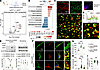 Figure 4
GAL3 accumulates rapidly in the lysosomes of MDMø after acute ischemic brain injury. (A) Experimental scheme illustrating the analysis of differentially expressed genes (DEGs) between Lgals3hi and Lgals3lo MDMø 3 d after tMCAO. MDMø were divided into 2 groups based on Lgals3 expression level > 2 or ≤ 2. DEGs were identified by comparing the 2 groups. A volcano plot depicts the DEGs [log (fold change) > 0.59 or < –0.59, Bonferroni adjusted P value < 0.05] between Lgals3hi and Lgals3lo MDMø. (B) KEGG enrichment analysis was performed on the DEGs using Metascape. Shown are the 10 KEGG pathways predicted to be upregulated or downregulated (z score ≥ 5 or z score ≤ 5). Corresponding dot plot shows upregulated genes involved in the lysosome term in the Lgals3hi group. (C) Representative LAMP2 and GAL3 staining in ischemic brains 3 d after tMCAO. Right panel shows Pearson’s correlation analysis of GAL3 and LAMP2 signal. Scale bars: 40 μm, 10 μm (zoom). (D) Fluorescence intensity profiles of GAL3 (red) and LAMP2 (green) signal for objects crossing the white arrows in C. (E) Immunoblot and quantitative analysis of GAL3 expression in lysosome-enriched fraction and the remaining cell lysates (without lysosome) from cultured BMDMs under the indicated conditions. N = 3/condition. (F) Representative images of GAL3 and LAMP2 staining in control and brain lysate–treated BMDMs with or without TD139 (10 μM). (G) The average somal size of BMDMs. N = 6 per condition. (H) The numbers of GAL3+ puncta per cell. (I) The percentages of GAL3+LAMP2+ puncta among total GAL3+ puncta under indicated conditions. N = 22–23 randomly selected cells per condition from 3 independent experiments. *P < 0.05, **P < 0.01; ***P < 0.001. Two-tailed, unpaired Student’s t test (I), 1-way ANOVA and Bonferroni’s test (E and G), or Kruskal-Wallis test (H).
We then used in vitro BMDM cultures to assess the elevation of GAL3 in BMDMs upon exposure to brain lysates and the spatial association of GAL3 with lysosomes. Brain lysates were prepared from WT brain as described (24). BMDMs prepared from WT mice were exposed to brain lysates for 6 h, with or without TD139, a selective and cell-permeable GAL3 inhibitor. We measured GAL3 expression in crude lysosome fractions using immunoblotting. Exposure to brain lysates increased GAL3 expression in the lysosome fraction, and this effect was inhibited by TD139 (Figure 4E). The expression of GAL3 in the remaining cellular fraction (i.e., excluding lysosomes) showed no significant changes (Figure 4E). Therefore, TD139 reduced the total expression of GAL3 in activated BMDMs. This is consistent with a previous study showing that inhaled TD139 suppresses GAL3 expression in alveolar Mø (25). Similar results were achieved when BMDMs were treated with myelin fragments. Exposure to myelin fragments at 0.6 to 1.2 μg slightly increased GAL3 expression in total protein from BMDMs (Supplemental Figure 4A). Importantly, 0.6 μg myelin greatly elevated GAL3 expression in the crude lysosome fraction from BMDMs, and this effect was similarly inhibited by TD139 (Supplemental Figure 4B). Exposure to dead neurons also increased GAL3 immunostaining in BMDMs, which was colocalized with LAMP2 signal as expected, particularly in perinuclear locations (Supplemental Figure 4C).
Immunostaining showed that brain lysate exposure resulted in activation of BMDMs, as revealed by an increase in somal size, and this hypertrophy was partially reversed by TD139 (Figure 4, F and G). The number of GAL3+ puncta also increased significantly in BMDMs after encountering brain lysates, with TD139 inhibiting this elevation (Figure 4H). Nearly 90% of GAL3+ puncta were GAL3+LAMP2+ in vehicle-treated BMDMs, but TD139 lowered the percentages of GAL3+LAMP2+ puncta (Figure 4I). Further analyses of lysosome morphology and subcellular positioning revealed that, whereas lysosomes were evenly distributed in untreated control BMDMs, brain lysate exposures increased lysosomal clustering in the perinuclear region, and this morphological effect was corrected by TD139 treatment (Supplemental Figure 4D). The diameter and area of lysosomal puncta also increased in BMDMs after brain lysate exposure, especially in the perinuclear area (>2.4 μm from cell edge), and this increase was similarly ameliorated by TD139 (Supplemental Figure 4, E and F).
These data demonstrate that GAL3 accumulates within lysosomes after exposures of MDMø to noxious stimuli, increasing perinuclear lysosomal sizes and shifting their spatial distribution.
GAL3 induces a neurotoxic phenotype in MDMø. We then tested in vitro whether inhibiting GAL3 activity in MDMø can provide neuronal protection using BMDM-neuron cocultures. Neurons were cultured in the bottom chamber of a transwell system and subjected to 60 min oxygen glucose deprivation (OGD) to induce ischemic neuronal damage, which was quantified by reduced coverage of microtubule-associated protein 2–positive (MAP2+) neurons and fewer neuron numbers (Supplemental Figure 4G). Sholl analyses further revealed shortened mean primary branch lengths (Supplemental Figure 4H). The WT or GAL3-KO BMDMs were cultured in transwell inserts and exposed to brain lysates for 6 h. Untreated or lysate-activated BMDMs were then washed, added on top of the bottom chamber housing OGD neurons, and cocultured with OGD neurons for 18 h (Figure 5A). Neurons cocultured with lysate-activated WT BMDMs, but not GAL3-KO BMDMs, showed smaller MAP2+ staining areas (Figure 5B). Sholl intersection profiles demonstrated less neuronal arborization, including fewer branches at a given distance from the soma (Figure 5C) and reduced mean primary branch lengths (Figure 5D) in neurons cocultured with lysate-activated WT BMDMs, suggesting that the expression of GAL3 in BMDMs rapidly induces neurotoxicity.
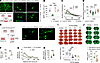 Figure 5
GAL3 induces a neurotoxic phenotype in MDMø. (A) The schematic shows the experimental design. Representative images show MAP2 neuronal immunostaining in cocultures. Scale bar: 40 μm. (B) The coverage areas of MAP2-stained neurons were quantified. N = 6/condition. (C and D) Sholl analysis displaying dendritic complexity. (C) Number of intersections plotted against distance from the cell soma. (D) Mean primary branch length. N = 15 neurons randomly selected from 3 independent experiments. (E) BMDMs in culture inserts were treated with brain lysates and TD139 (10 μM) or vehicle for 6 h. The treated BMDMs were then cocultured with OGD neurons for 18 h. Representative images show MAP2 immunostaining under indicated conditions. Scale bar: 40 μm. (F) Coverage areas of MAP2-stained neurons. N = 6/condition. (G and H) Sholl analysis displaying dendritic complexity. N = 15 randomly selected neurons from 3 independent experiments. (G) Number of intersections plotted against distance from the cell soma. (H) Mean primary branch length. (I) Young male mice were subjected to 60 min tMCAO and treated with different doses of TD139 (starting 2 h after tMCAO, then daily for 2 d). Infarct volumes were quantified by TTC staining 3 d after tMCAO. N = 5–6/group. (J) Aged male mice were subjected to dMCAO and treated with vehicle or TD139 (0.4 mg/kg, starting 2 h after tMCAO, then daily for 2 d). Infarct volumes were quantified by MAP2 staining 3 d after dMCAO. N = 7–9/group. Neuron intersection data in C and G are plotted as mean ± SEM. Other data are plotted as mean ± SD. *P < 0.05, **P < 0.01, ***P < 0.001. Two-tailed, unpaired Student’s t test (F, H, and J) or 1-way (B, D, and I) or 2-way (C and G) ANOVA and Bonferroni’s test.
Next, we inhibited GAL3 activity using the selective, cell-permeable inhibitor TD139 in WT BMDMs during the period of exposure to brain lysates (Figure 5E). TD139 reduced the neurotoxicity of lysate-activated BMDMs, as shown by enlarged areas of MAP2+ neuronal staining (Figure 5F), more intersections at proximal distances (Figure 5G), and elongated mean primary branch lengths (Figure 5H) compared with the vehicle control.
Pharmacologic inhibition of GAL3 diminishes acute brain infarct early after stroke. Next, we tested the therapeutic effects of TD139 in young male mice subjected to the 60 min tMCAO model. TD139 (0, 0.2, 0.4, 0.8, and 1.6 mg/kg body weight) or an equal volume of vehicle was administered intravenously, initially at 2 h after surgery and then daily for 2 d. Blinded outcome assessments showed that 0.4, 0.8, and 1.6 mg/kg TD139 reduced brain infarction 3 d after tMCAO (Figure 5I). The lowest dose that achieved the best protection, 0.4 mg/kg, was employed for subsequent assessments. We also tested the therapeutic effects of TD139 in 20-month-old mice using a less severe distal MCAO (dMCAO) model. TD139 treatment (0.4 mg/kg at 2 h, 1 d, and 2 d after dMCAO) also reduced brain infarct 3 d after dMCAO in aged mice (Figure 5J).
High GAL3 expression in MDMø amplifies cathepsin induction and leakage after stroke, thereby enlarging brain lesions. Lysosomes house an acidic lumen containing hydrolytic enzymes such as cathepsins. We found an increased area of cathepsin B expression in CD68+ phagocytes in the ischemic brain region in WT/WT mice compared with WT/GAL3-KO chimera mice 3 d after tMCAO (Figure 6, A and B), suggesting that lysosomal accumulation of GAL3 is accompanied by the induction of lysosomal content. No difference was observed in the area of CD68+ cells between the 2 types of chimera mice (Figure 6C). Lysosomal leakage of lumen contents provokes inflammatory cascades and cell damage under pathological conditions (26). To test the importance of lysosomal content in GAL3-mediated detrimental MDMø responses and acute ischemic brain injury, we injected mice 2 h after tMCAO with an inhibitor of cathepsin B, CA-074-Me (CA-074). CA-074 treatment significantly reduced ischemic brain injury in WT/WT mice but failed to provide additional protection in WT/GAL3-KO chimera mice (Figure 6, D and E), confirming that GAL3 inhibition may protect the brain by ameliorating the detrimental effects of cathepsin B.
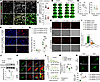 Figure 6
High GAL3 expression in MDMø amplifies cathepsin induction and leakage after stroke, thereby enlarging brain lesions. (A) Representative immunostaining of cathepsin B/GAL3/CD68 in WT/WT and WT/GAL3–/– chimera mice 3 d after tMCAO. Scale bar: 50 μm. (B) Quantification of cathepsin B+ staining areas within CD68+ areas of macrophages. (C) Quantification of CD68+ areas. N = 7/group. (D) MAP2 staining of brain in vehicle- or CA-074–treated (10 mg/kg, i.v., 2 h after tMCAO and then daily for 2 d) WT/WT or WT/GAL3–/– chimeric mice 3 d after tMCAO. (E) Quantification of brain infarct volume. N = 5–6/group. (F) Cathepsin B activity was analyzed using the Magic Red cathepsin kit in GAL3-KO or WT BMDMs with vehicle or TD139 (10 μM) treatment. Scale bar: 50 μm. (G) Quantification of the percentages of Magic Red+ cells among total cells. N = 6/condition. (H) Representative Magic Red staining in WT and GAL3-KO BMDMs treated with or without WT or GAL3-KO lysate for 6 h. Scale bars: 50 μm. (I) Quantification of the percentages of Magic Red+ cells among total cells. N = 6/condition. Gray blocks show SD. ***P < 0.001 versus (WT BMDM + WT lysate); #P < 0.05, ##P < 0.01 versus (KO BMDM + WT lysate); $P < 0.05 versus (WT BMDM + KO lysate). (J) Immunoblot and quantification of cathepsin B expression in cytosol of BMDMs under the indicated conditions for 6 h. N = 3/condition. (K) Coimmunostaining of LAMP2 and cathepsin B in BMDMs under specified conditions for 6 h. Scale bars: 5 μm, 2 μm (zoom). (L) Fluorescence intensity profiles of cathepsin B and LAMP2. (M) Pearson’s correlation analyses of LAMP2 and cathepsin B. N = 7/condition. (N) BMDMs in inserts treated with brain lysates and CA-074 (10 μM) or vehicle were cocultured with OGD neurons. Coverage areas of MAP2-stained neurons were quantified. N = 6/condition. Scale bar: 40 μm. *P < 0.05, **P < 0.01, ***P < 0.001. Two-tailed, unpaired Student’s t test (B, C, and E) or 1-way (G, J, M, and N) or 2-way (I) ANOVA and Bonferroni’s test.
Next, we exposed BMDMs to WT brain lysates, in the presence or absence of TD139. Cathepsin activity, as measured by the Magic Red cathepsin assay, was induced in WT BMDMs at different time points after exposure to WT brain lysates, and this effect was ameliorated by TD139 or GAL3-KO in BMDMs (Figure 6, F–I, and Supplemental Figure 4, I and J). Brain lysates from GAL3-KO mice, which are devoid of exogenous GAL3, also induced cathepsin activity at a lower level in WT BMDMs but failed to induce cathepsin in GAL3-KO BMDMs (Figure 6, H and I). These data suggest that both exogenous GAL3 and GAL3 synthesized in BMDMs contribute to cathepsin induction from stimulated BMDMs.
Western blotting confirmed that the exposure to brain lysates increased cathepsin B levels in the BMDM cytosolic fraction (i.e., without lysosomes), and this effect was inhibited by TD139 treatment (Figure 6J). The expression of cathepsin B was also visualized in relation to lysosomes by immunofluorescent staining (Figure 6K). Cathepsin B expression was highly correlated with LAMP2 signal in untreated control BMDMs. Treatment with brain lysates raised cathepsin B expression and induced the spatial dissociation of cathepsin B from LAMP2 (Figure 6, L and M). TD139 treatment reduced cathepsin B levels and reduced the spatial dissociation of cathepsin B from LAMP2. These data suggest that GAL3 is important for induction of cathepsin expression as well as cytosolic escape of cathepsin from the MDMø lysosome upon noxious stimulations.
We then measured lysosomal membrane permeability by assessing the ability of lysosomes to retain fluorophore-conjugated dextran. WT BMDMs were preloaded with 10 kDa Alexa Fluor 555–dextran and 40 kDa fluorescein-dextran, which accumulates within punctuate structures inside lysosomes in unstimulated cells (Supplemental Figure 4K). Cells loaded with dextran were then exposed to brain lysates in the presence or absence of TD139. Brain lysate exposure caused a release of 10 and 40 kDa dextran from the lysosomes, resulting in diffuse cytosolic distribution patterns and lower fluorescence intensities 6 h after exposure (Supplemental Figure 4, K and L). TD139 treatment reduced the leakage of lysosomal dextran into the cytosol, as manifested by reduced diffusion (Supplemental Figure 4K) and increased intensity (Supplemental Figure 4L) of both small and large size dextran molecules. We also measured lysosomal membrane permeability after brain lysate exposure using acridine orange (AO), which accumulates in acidic lysosomes and emits red fluorescence at low pH (Supplemental Figure 4M). AO emits green fluorescence in the neutral pH environment in the cytosol (27, 28). We observed that AO-labeled red puncta increased significantly in TD139-treated BMDMs compared with vehicle-treated BMDMs 6 h after brain lysate exposure (Supplemental Figure 4N), suggesting reduced lysosomal leakage after TD139 treatment.
We then treated WT BMDMs with the cathepsin B inhibitor CA-074 or vehicle during brain lysate exposure. CA-074+lysate-treated BMDMs enhanced the survival of OGD neurons compared with vehicle+lysate-treated BMDMs, as shown by increased areas of MAP2+ neuronal staining in BMDM-neuron cocultures within the transwell system (Figure 6N). GAL3-KO BMDMs showed larger areas of MAP2+ neuronal staining, and exposure of GAL3-KO BMDMs to CA-074 treatment did not further enhance the survival of OGD neurons (Figure 6N).
GAL3-mediated cathepsin induction enhances NLRP3 expression in MDMø and amplifies post-stroke neuroinflammation. Lysosomal disruption is known to activate the NLRP3 inflammasome in macrophages by releasing cathepsins (29, 30). We therefore evaluated the effects of GAL3 on inflammasome activation in BMDMs after brain lysate exposures. NLRP3 staining intensities and the numbers of NLRP3+ puncta/100 μm2 (Figure 7, A and B) increased upon brain lysate exposure. Both TD139 and CA-074 lowered this rise in NLRP3 expression (Figure 7, A and B). Western blotting also showed elevated secretion of cleaved caspase-1 and IL-1β in brain lysate–treated BMDMs, and these effects were similarly inhibited by TD139 or CA-074 (Figure 7, C and D).
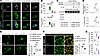 Figure 7
GAL3-mediated cathepsin induction enhances NLRP3 expression in MDMø and amplifies post-stroke inflammation in the CNS. (A) Immunostaining of NLRP3 and GAL3 in cultured BMDMs under specified conditions for 6 h. Scale bar: 10 μm. (B) Quantification of NLRP3 intensity and number of NLRP3+ puncta per 100 μm2 cell area within BMDMs in indicated groups. N = 15 randomly selected BMDMs from 3 independent experiments. (C) Immunoblot of cleaved caspase-1 and active IL-1β in culture media of BMDMs under specified conditions for 6 h. β-ACTIN from corresponding cells was used as control. (D) Quantification of cleaved caspase-1 and IL-1β in indicated groups. N = 3/condition. (E) BMDMs in cell culture inserts were treated with brain lysates and MCC950 (10 μM) or vehicle controls for 6 h. The treated BMDMs were then cocultured with OGD neurons for 18 h. Representative images show MAP2 immunostaining under indicated conditions. Coverage areas of MAP2-stained neurons were quantified. N = 6 samples per condition. Scale bar: 40 μm. (F) Immunostaining of NLRP3, CD68, and IBA1 3 d after tMCAO in WT mice treated with vehicle or TD139. NLRP3 intensity within CD68+ cells was quantified. N = 6/condition. Scale bar: 20 μm. (G) RNA levels of Il-1b and Il-6 expression in ipsilateral brain lysates collected 5 d after tMCAO. N = 3–5/group. *P < 0.05, **P < 0.01, ***P < 0.001. Two-tailed, unpaired Student’s t test (F) or 1-way ANOVA and Bonferroni’s test (B, D, E, and G).
When WT BMDMs were treated with the NLRP3 inhibitor MCC during brain lysate exposure and then added on top of OGD neurons, MCC reduced the neurotoxicity of activated WT BMDMs, as shown by increased areas of MAP2+ neuronal staining (Figure 7E). Applying MCC to GAL3-KO BMDMs, however, showed no additional effects on neuron survival (Figure 7E).
Consistent with our in vitro observations, we found decreased NLRP3 expression in CD68+ cells and fewer NLRP3+CD68+ cells in the ischemic area in WT/GAL3-KO mice compared with WT/WT mice 3 d after tMCAO (Supplemental Figure 5A). CA-074 treatment reduced the number of NLRP3+CD68+ cells in the ischemic brain, whereas no differences in the total number of CD68+ cells were observed (Supplemental Figure 5B). Similarly, TD139 treatment decreased NLRP3 expression in CD68+ cells (Figure 7F) and reduced cerebral upregulation of inflammatory cytokines IL-1β and IL-6 in the lesioned hemisphere (Figure 7G). In addition, flow cytometry analyses confirmed that the NLRP3 expression level in blood monocytes was reduced in TD139-treated aged mice (Supplemental Figure 5, C and E).
Transient GAL3 inhibition early after stroke improves long-term outcomes. We tested if TD139-afforded brain protection can be sustained into the chronic injury phase. Young male C57BL/6 mice (5 months old) were subjected to 60 min tMCAO and randomly assigned to receive TD139 (i.v., 0.4 mg/kg BW) or an equivalent volume of vehicle at 2 h after tMCAO and then daily for 3 d (Figure 8A). T2 scans were collected 3 and 14 d after tMCAO (Figure 8B). TD139 treatment in the early phases of stroke mitigated brain tissue loss (Figure 8C) and brain edema (Figure 8D) 3 d after tMCAO. This pattern lasted at least 14 d after tMCAO (Figure 8C). TD139 treatment also improved sensorimotor performance in the rotarod (Figure 8E) and foot fault (Figure 8F) tests. The Morris water maze test was performed 22–26 d after tMCAO (Figure 8, G–J). TD139-treated mice exhibited better learning capacity, as shown by reduced latencies to find the hidden platform (Figure 8H), and superior memory, as shown by increased times spent in target quadrant when the platform was removed (Figure 8I), compared with vehicle-treated mice. There was no change in swim speeds (Figure 8J), revealing that the protective effects of TD139 were not attributed to differences in gross locomotor abilities. A negative correlation was observed between tissue loss in T2 and the latency to fall in the rotarod test (Figure 8K), while a positive correlation was noted between tissue loss and average escape latencies on days 24 and 25 of the water maze (Figure 8L). Consistent with improved behavior performance, TD139-treated mice exhibited less brain tissue loss 28 d after tMCAO (Figure 8M). TD139-treated mice also displayed lower cerebral expression of inflammatory cytokines Il-1b, Tnfa, and Ifng compared with vehicle-treated mice, with minimal effects on Il-6 expression 28 d after tMCAO (Figure 8N). Flow cytometry analyses confirmed that short-term TD139 treatment early after stroke had no long-term effect on the number of circulating GAL3+ monocyte/Mø 28 d after tMCAO (Figure 8O).
 Figure 8
Transient GAL3 inhibition improves long-term stroke outcomes. (A) Experimental design. (B) Representative images of T2 MRI scans. For tMCAO 3d, the yellow dashed lines trace the border of infarct lesion. For tMCAO 14d, the areas of contralesional hemisphere are reflected on the ipsilesional hemisphere (yellow dashed lines). (C and D) Quantification of T2 signals revealed brain infarcts (C) and brain edema (D). N = 8/group. (E and F) Motor abilities were assessed using rotarod (E) and foot fault (F) tests. N = 8/group. (G–J) Cognitive performance was assessed using the Morris water maze. N = 8/group. (G) Representative swimming trace during learning and memory tests. Small circles show the position of the platform. (H) The latencies of finding the escape platform during the learning phase. (I) Time spent in the target quadrant where platform was previously located during the learning phase. (J) Average swimming speed. (K) Analysis of Pearson’s correlation between the average latency to fall on the rotarod test (days 7–28) and tissue loss measured 3 d after MCAO. (L) Analysis of Pearson’s correlation between the average escape latency in the water maze test (days 24–25) and tissue loss measured 3 d after MCAO. (M) MAP2 staining and quantification of brain atrophy 28 d after tMCAO. The areas of contralesional hemisphere are reflected on the ipsilesional hemisphere (red dashed lines). N = 5/group. (N) PCR analysis of mRNA expression of Il-1b, Tnfa, Ifng, and Il-6. Data are expressed as percentages of contralateral levels. N = 3/group. (O) Flow cytometry detected the number of GAL3+CD11b+ monocytes 28 d after tMCAO in the blood of young WT mice treated with vehicle or TD139. N = 8/group. *P < 0.05, **P < 0.01, ***P < 0.001. Two-tailed, unpaired Student’s t test (D, I, J, M, N, and O), 2-way ANOVA (C), or 2-way repeated measures ANOVA (E, F, and H) and Bonferroni’s test.


Copyright © 2026 American Society for Clinical Investigation
ISSN: 0021-9738 (print), 1558-8238 (online)