
Advertisement
Research ArticleCell biologyImmunology
Open Access |  10.1172/JCI192928
Targeting PIM2 improves antitumor immunity through promoting effector function and persistence of CD8 T cells
Yongxia Wu,1,2 Linlu Tian,1 Allison Pugel,1 Reza Alimohammadi,1 Qiao Cheng,1 Weiguo Cui,3 Michael I. Nishimura,4 Lauren E. Ball,5 Chien-Wei Lin,2 Shikhar Mehrotra,6 Andrew S. Kraft,7 and Xue-Zhong Yu1,2,8
1Department of Microbiology & Immunology and
2The Cancer Center, Medical College of Wisconsin, Milwaukee, Wisconsin, USA.
3School of Medicine, Northwestern University, Chicago, Illinois, USA.
4Department of Surgery, Stritch School of Medicine, Loyola University Chicago, Maywood, Illinois, USA.
5Department of Cell and Molecular Pharmacology and
6Department of Surgery, Medical University of South Carolina, Charleston, South Carolina, USA.
7Cancer Center, University of Colorado Anschutz Medical Campus, Aurora, Colorado, USA.
8Department of Medicine, Medical College of Wisconsin, Milwaukee, Wisconsin, USA.
Address correspondence to: Xue-Zhong Yu or Yongxia Wu, Department of Microbiology and Immunology, Medical College of Wisconsin, 8701 Watertown Plank Road, Milwaukee, Wisconsin, 53226, USA. Phone: 414.955.8187; Email: xuyu@mcw.edu (XZY). Phone: 414.955.8148; Email: wyongxia@mcw.edu (YW).
Authorship note: YW and LT contributed equally to this work.
Find articles by
Wu, Y.
in:
PubMed
|
Google Scholar
|

1Department of Microbiology & Immunology and
2The Cancer Center, Medical College of Wisconsin, Milwaukee, Wisconsin, USA.
3School of Medicine, Northwestern University, Chicago, Illinois, USA.
4Department of Surgery, Stritch School of Medicine, Loyola University Chicago, Maywood, Illinois, USA.
5Department of Cell and Molecular Pharmacology and
6Department of Surgery, Medical University of South Carolina, Charleston, South Carolina, USA.
7Cancer Center, University of Colorado Anschutz Medical Campus, Aurora, Colorado, USA.
8Department of Medicine, Medical College of Wisconsin, Milwaukee, Wisconsin, USA.
Address correspondence to: Xue-Zhong Yu or Yongxia Wu, Department of Microbiology and Immunology, Medical College of Wisconsin, 8701 Watertown Plank Road, Milwaukee, Wisconsin, 53226, USA. Phone: 414.955.8187; Email: xuyu@mcw.edu (XZY). Phone: 414.955.8148; Email: wyongxia@mcw.edu (YW).
Authorship note: YW and LT contributed equally to this work.
Find articles by Tian, L. in: PubMed | Google Scholar
1Department of Microbiology & Immunology and
2The Cancer Center, Medical College of Wisconsin, Milwaukee, Wisconsin, USA.
3School of Medicine, Northwestern University, Chicago, Illinois, USA.
4Department of Surgery, Stritch School of Medicine, Loyola University Chicago, Maywood, Illinois, USA.
5Department of Cell and Molecular Pharmacology and
6Department of Surgery, Medical University of South Carolina, Charleston, South Carolina, USA.
7Cancer Center, University of Colorado Anschutz Medical Campus, Aurora, Colorado, USA.
8Department of Medicine, Medical College of Wisconsin, Milwaukee, Wisconsin, USA.
Address correspondence to: Xue-Zhong Yu or Yongxia Wu, Department of Microbiology and Immunology, Medical College of Wisconsin, 8701 Watertown Plank Road, Milwaukee, Wisconsin, 53226, USA. Phone: 414.955.8187; Email: xuyu@mcw.edu (XZY). Phone: 414.955.8148; Email: wyongxia@mcw.edu (YW).
Authorship note: YW and LT contributed equally to this work.
Find articles by Pugel, A. in: PubMed | Google Scholar
1Department of Microbiology & Immunology and
2The Cancer Center, Medical College of Wisconsin, Milwaukee, Wisconsin, USA.
3School of Medicine, Northwestern University, Chicago, Illinois, USA.
4Department of Surgery, Stritch School of Medicine, Loyola University Chicago, Maywood, Illinois, USA.
5Department of Cell and Molecular Pharmacology and
6Department of Surgery, Medical University of South Carolina, Charleston, South Carolina, USA.
7Cancer Center, University of Colorado Anschutz Medical Campus, Aurora, Colorado, USA.
8Department of Medicine, Medical College of Wisconsin, Milwaukee, Wisconsin, USA.
Address correspondence to: Xue-Zhong Yu or Yongxia Wu, Department of Microbiology and Immunology, Medical College of Wisconsin, 8701 Watertown Plank Road, Milwaukee, Wisconsin, 53226, USA. Phone: 414.955.8187; Email: xuyu@mcw.edu (XZY). Phone: 414.955.8148; Email: wyongxia@mcw.edu (YW).
Authorship note: YW and LT contributed equally to this work.
Find articles by Alimohammadi, R. in: PubMed | Google Scholar
1Department of Microbiology & Immunology and
2The Cancer Center, Medical College of Wisconsin, Milwaukee, Wisconsin, USA.
3School of Medicine, Northwestern University, Chicago, Illinois, USA.
4Department of Surgery, Stritch School of Medicine, Loyola University Chicago, Maywood, Illinois, USA.
5Department of Cell and Molecular Pharmacology and
6Department of Surgery, Medical University of South Carolina, Charleston, South Carolina, USA.
7Cancer Center, University of Colorado Anschutz Medical Campus, Aurora, Colorado, USA.
8Department of Medicine, Medical College of Wisconsin, Milwaukee, Wisconsin, USA.
Address correspondence to: Xue-Zhong Yu or Yongxia Wu, Department of Microbiology and Immunology, Medical College of Wisconsin, 8701 Watertown Plank Road, Milwaukee, Wisconsin, 53226, USA. Phone: 414.955.8187; Email: xuyu@mcw.edu (XZY). Phone: 414.955.8148; Email: wyongxia@mcw.edu (YW).
Authorship note: YW and LT contributed equally to this work.
Find articles by Cheng, Q. in: PubMed | Google Scholar
1Department of Microbiology & Immunology and
2The Cancer Center, Medical College of Wisconsin, Milwaukee, Wisconsin, USA.
3School of Medicine, Northwestern University, Chicago, Illinois, USA.
4Department of Surgery, Stritch School of Medicine, Loyola University Chicago, Maywood, Illinois, USA.
5Department of Cell and Molecular Pharmacology and
6Department of Surgery, Medical University of South Carolina, Charleston, South Carolina, USA.
7Cancer Center, University of Colorado Anschutz Medical Campus, Aurora, Colorado, USA.
8Department of Medicine, Medical College of Wisconsin, Milwaukee, Wisconsin, USA.
Address correspondence to: Xue-Zhong Yu or Yongxia Wu, Department of Microbiology and Immunology, Medical College of Wisconsin, 8701 Watertown Plank Road, Milwaukee, Wisconsin, 53226, USA. Phone: 414.955.8187; Email: xuyu@mcw.edu (XZY). Phone: 414.955.8148; Email: wyongxia@mcw.edu (YW).
Authorship note: YW and LT contributed equally to this work.
Find articles by
Cui, W.
in:
PubMed
|
Google Scholar
|
1Department of Microbiology & Immunology and
2The Cancer Center, Medical College of Wisconsin, Milwaukee, Wisconsin, USA.
3School of Medicine, Northwestern University, Chicago, Illinois, USA.
4Department of Surgery, Stritch School of Medicine, Loyola University Chicago, Maywood, Illinois, USA.
5Department of Cell and Molecular Pharmacology and
6Department of Surgery, Medical University of South Carolina, Charleston, South Carolina, USA.
7Cancer Center, University of Colorado Anschutz Medical Campus, Aurora, Colorado, USA.
8Department of Medicine, Medical College of Wisconsin, Milwaukee, Wisconsin, USA.
Address correspondence to: Xue-Zhong Yu or Yongxia Wu, Department of Microbiology and Immunology, Medical College of Wisconsin, 8701 Watertown Plank Road, Milwaukee, Wisconsin, 53226, USA. Phone: 414.955.8187; Email: xuyu@mcw.edu (XZY). Phone: 414.955.8148; Email: wyongxia@mcw.edu (YW).
Authorship note: YW and LT contributed equally to this work.
Find articles by Nishimura, M. in: PubMed | Google Scholar
1Department of Microbiology & Immunology and
2The Cancer Center, Medical College of Wisconsin, Milwaukee, Wisconsin, USA.
3School of Medicine, Northwestern University, Chicago, Illinois, USA.
4Department of Surgery, Stritch School of Medicine, Loyola University Chicago, Maywood, Illinois, USA.
5Department of Cell and Molecular Pharmacology and
6Department of Surgery, Medical University of South Carolina, Charleston, South Carolina, USA.
7Cancer Center, University of Colorado Anschutz Medical Campus, Aurora, Colorado, USA.
8Department of Medicine, Medical College of Wisconsin, Milwaukee, Wisconsin, USA.
Address correspondence to: Xue-Zhong Yu or Yongxia Wu, Department of Microbiology and Immunology, Medical College of Wisconsin, 8701 Watertown Plank Road, Milwaukee, Wisconsin, 53226, USA. Phone: 414.955.8187; Email: xuyu@mcw.edu (XZY). Phone: 414.955.8148; Email: wyongxia@mcw.edu (YW).
Authorship note: YW and LT contributed equally to this work.
Find articles by Ball, L. in: PubMed | Google Scholar
1Department of Microbiology & Immunology and
2The Cancer Center, Medical College of Wisconsin, Milwaukee, Wisconsin, USA.
3School of Medicine, Northwestern University, Chicago, Illinois, USA.
4Department of Surgery, Stritch School of Medicine, Loyola University Chicago, Maywood, Illinois, USA.
5Department of Cell and Molecular Pharmacology and
6Department of Surgery, Medical University of South Carolina, Charleston, South Carolina, USA.
7Cancer Center, University of Colorado Anschutz Medical Campus, Aurora, Colorado, USA.
8Department of Medicine, Medical College of Wisconsin, Milwaukee, Wisconsin, USA.
Address correspondence to: Xue-Zhong Yu or Yongxia Wu, Department of Microbiology and Immunology, Medical College of Wisconsin, 8701 Watertown Plank Road, Milwaukee, Wisconsin, 53226, USA. Phone: 414.955.8187; Email: xuyu@mcw.edu (XZY). Phone: 414.955.8148; Email: wyongxia@mcw.edu (YW).
Authorship note: YW and LT contributed equally to this work.
Find articles by
Lin, C.
in:
PubMed
|
Google Scholar
|
1Department of Microbiology & Immunology and
2The Cancer Center, Medical College of Wisconsin, Milwaukee, Wisconsin, USA.
3School of Medicine, Northwestern University, Chicago, Illinois, USA.
4Department of Surgery, Stritch School of Medicine, Loyola University Chicago, Maywood, Illinois, USA.
5Department of Cell and Molecular Pharmacology and
6Department of Surgery, Medical University of South Carolina, Charleston, South Carolina, USA.
7Cancer Center, University of Colorado Anschutz Medical Campus, Aurora, Colorado, USA.
8Department of Medicine, Medical College of Wisconsin, Milwaukee, Wisconsin, USA.
Address correspondence to: Xue-Zhong Yu or Yongxia Wu, Department of Microbiology and Immunology, Medical College of Wisconsin, 8701 Watertown Plank Road, Milwaukee, Wisconsin, 53226, USA. Phone: 414.955.8187; Email: xuyu@mcw.edu (XZY). Phone: 414.955.8148; Email: wyongxia@mcw.edu (YW).
Authorship note: YW and LT contributed equally to this work.
Find articles by Mehrotra, S. in: PubMed | Google Scholar
1Department of Microbiology & Immunology and
2The Cancer Center, Medical College of Wisconsin, Milwaukee, Wisconsin, USA.
3School of Medicine, Northwestern University, Chicago, Illinois, USA.
4Department of Surgery, Stritch School of Medicine, Loyola University Chicago, Maywood, Illinois, USA.
5Department of Cell and Molecular Pharmacology and
6Department of Surgery, Medical University of South Carolina, Charleston, South Carolina, USA.
7Cancer Center, University of Colorado Anschutz Medical Campus, Aurora, Colorado, USA.
8Department of Medicine, Medical College of Wisconsin, Milwaukee, Wisconsin, USA.
Address correspondence to: Xue-Zhong Yu or Yongxia Wu, Department of Microbiology and Immunology, Medical College of Wisconsin, 8701 Watertown Plank Road, Milwaukee, Wisconsin, 53226, USA. Phone: 414.955.8187; Email: xuyu@mcw.edu (XZY). Phone: 414.955.8148; Email: wyongxia@mcw.edu (YW).
Authorship note: YW and LT contributed equally to this work.
Find articles by Kraft, A. in: PubMed | Google Scholar
1Department of Microbiology & Immunology and
2The Cancer Center, Medical College of Wisconsin, Milwaukee, Wisconsin, USA.
3School of Medicine, Northwestern University, Chicago, Illinois, USA.
4Department of Surgery, Stritch School of Medicine, Loyola University Chicago, Maywood, Illinois, USA.
5Department of Cell and Molecular Pharmacology and
6Department of Surgery, Medical University of South Carolina, Charleston, South Carolina, USA.
7Cancer Center, University of Colorado Anschutz Medical Campus, Aurora, Colorado, USA.
8Department of Medicine, Medical College of Wisconsin, Milwaukee, Wisconsin, USA.
Address correspondence to: Xue-Zhong Yu or Yongxia Wu, Department of Microbiology and Immunology, Medical College of Wisconsin, 8701 Watertown Plank Road, Milwaukee, Wisconsin, 53226, USA. Phone: 414.955.8187; Email: xuyu@mcw.edu (XZY). Phone: 414.955.8148; Email: wyongxia@mcw.edu (YW).
Authorship note: YW and LT contributed equally to this work.
Find articles by
Yu, X.
in:
PubMed
|
Google Scholar
|
Published January 27, 2026 - More info
J Clin Invest. 2026;136(6):e192928. https://doi.org/10.1172/JCI192928.
© 2026 Wu et al. This work is licensed under the Creative Commons Attribution 4.0 International License. To view a copy of this license, visit http://creativecommons.org/licenses/by/4.0/.
Received: March 4, 2025; Accepted: January 15, 2026


-
Results
PIM2 suppressed T cell function in controlling tumor growth. We previously reported that PIM2 potently suppresses T cell response in causing graft versus host disease (GVHD) after allo-HCT (11). We hypothesized that Pim2 deficiency would enhance antitumor T cell response. NT2.5, a HER-2/neu-expressing mammary carcinoma cell line on FVB background (22), was orthotopically injected into the mammary fat pad of FVB WT and Pim2-KO mice. We have shown that Pim2 deficiency does not impact T cell development or hemostasis in unmanipulated mice (11). However, in contrast to WT mice, the Pim2-KO mice exhibited significantly smaller tumors and eventually rejected tumors (Figure 1A). To validate the function of PIM2 in negatively regulating T cell antitumor response, we utilized a murine autologous HCT model to examine how Pim2 deficiency in the donor graft impacted graft versus leukemia response. Splenocytes from B6 WT or Pim2-KO mice were transferred as cellular immunotherapy into syngeneic recipients that were i.v. injected with acute myeloid leukemia cells (C1498Luc, H2Kb+). Consistently, transfer of Pim2-KO splenocytes significantly improved leukemia control compared with WT splenocytes, as indicated by lower bioluminescence imaging (BLI) signaling and increased survival in these recipients (Figure 1, B and C).
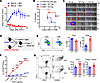 Figure 1
PIM2 negatively regulates T cell antitumor responses. (A) WT and Pim2-KO FVB mice were infused with NT2.5 mammary cancer cells under the fourth mammary fat pads. Tumor growth was monitored. Data represent 2 independent experiments with n = 10 for each group. (B and C) B6 mice were lethally irradiated and i.v. injected with C1498luc leukemic cells and BM cells from WT B6 mice with or without CD25-depleted splenocytes from WT or Pim2-KO B6 mice. Recipient survival (B) and leukemia growth (C) were monitored through BLI. Data represent 2 independent experiments with total n = 10 for each group. (D) CD45.1+ WT and CD45.2+ Pim2-KO T cells from B6 mice were mixed 1:1 and transferred into Rag1–/– B6 mice. (E) Percentages of WT and Pim2-KO cells within gated CD4+ and CD8+ T cells in spleens on day 14 are shown. Data represent 2 independent experiments with n = 8. (F) CFSE-labeled splenocytes from WT and Pim2-KO mice were stimulated with anti-CD3 for 72 hours, and percentages of CFSEloIFN-γ+ cells in gated CD8 T cells are shown. (G) Expression of TCF1 and CD44/CD62L is shown in gated CD8 T cells with 1 μg/mL anti-CD3 stimulation. Data represent 2 independent experiments (E–G). Data were analyzed by 2-tailed Student’s t test (E and G), 2-way ANOVA (A and F), and log-rank test for survival curves (B). Data are shown as mean ± SEM from biological replicates. *P < 0.05, **P < 0.01, ***P < 0.001, ****P < 0.0001.
To directly examine how PIM2 intrinsically impacts T cell activity in vivo, we mixed purified WT (CD45.1+) and Pim2-KO (CD45.2+) T cells at a 1:1 ratio and transferred them into syngeneic Rag1-KO mice (Figure 1D). Fourteen days later, we analyzed T cell populations in recipient spleen and found that frequencies of Pim2-KO cells were significantly more abundant than WT controls within CD8+ but not CD4+ T cells (Figure 1E), indicating an intrinsic role of PIM2 in restricting CD8 T cell response. Because CD8 T cells play a central role in antitumor immunity, we focused our study on illustrating the mechanistic action of PIM2 in suppressing CD8 T cell response. We observed that Pim2 deficiency substantially enhanced CD8 T cell activation upon anti-CD3/CD28 stimulation in vitro, as reflected by increased proliferation and cytokine production (Figure 1F). Under the culture condition, Pim2-KO CD8 T cells maintained higher levels of CD62L and TCF1 expression compared with WT controls (Figure 1G), indicating a preserved progenitor-like feature in Pim2-KO CD8 T cells upon activation (23).
PIM2 restrained antigen-specific CD8 T cell response. To further investigate how PIM2 regulates antitumor response of CD8 T cells, we generated Pim2-KO Pmel TCR Tg mice. Upon gp100 stimulation in vitro (Figure 2A), Pim2-KO CD8 T cells secreted more IFN-γ and IL-2 cytokines and expressed less exhaustion marker TIM3 compared with WT controls (Figure 2B). Pim2-KO CD8 T cells also maintained higher CD62L expression than WT cells after gp100 stimulation (Figure 2C). We then examined whether Pim2 deficiency would improve antitumor function of CD8 T cells. The B16F10 melanoma cells were s.c. injected into the flank of Ly5.1 B6 mice. Seven days later, these mice received sublethal irradiation followed by transfer of activated WT or Pim2-KO CD8 T cells (Figure 2A). Compared with WT controls, Pim2-KO CD8 T cells were markedly more effective in controlling melanoma growth (Figure 2D). By injecting B16F10 cells intravenously, we were able to examine the potency of Pim2–/– CD8 T cells in controlling the growth of aggressive melanoma that mimics metastatic tumors in lungs. Consistently, we observed significantly improved antitumor function of Pim2-KO (Pim2–/–) CD8 T cells, as reflected by reduced tumor signaling monitored by BLI and improved survival of these tumor-bearing mice (Figure 2, E and F). In contrast, CD8 T cells with Pim2 heterozygous deficiency (Pim2+/–) showed comparable antitumor ability to WT controls, suggesting that complete loss of Pim2 is required to enhance antitumor response of CD8 T cells (Figure 2, E and F).
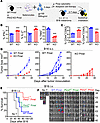 Figure 2
Pim2 deficiency enhances melanoma control by tumor antigen–specific CD8 T cells after ACT. (A) Ly5.1 B6 mice were s.c. infused with a B16F10 tumor on the flank, followed by sublethal irradiation at 600 cGy and adoptive transfer of gp100 peptide preactivated WT or Pim2-KO CD8+ Pmel T cells on day 7. (B and C) The phenotypes of CD8+ Pmel cells after gp100 peptide stimulation were evaluated by flow cytometry. Data represent 3 independent experiments. (D) Tumor growth was monitored. Data represent 3 independent experiments with WT n = 18 and KO n = 18. (E and F) Ly5.1 B6 mice were i.v. injected with B16F10, followed by sublethal irradiation at 600 cGy and adoptive transfer of gp100 peptide preactivated WT, Pim2+/–, or Pim2–/– CD8+ T cells on day 3. Survival (E) and melanoma growth (F) in mice were monitored via BLI. Data represent 2 independent experiments with WT n = 10, Pim2+/– n = 5, and Pim2–/– n = 10. Data were analyzed by 2-tailed Student’s t test (B and C), 2-way ANOVA (D), and log-rank test for survival curves (E). Data are shown as mean ± SEM from biological replicates. *P < 0.05, ***P < 0.001.
To verify whether PIM2 indeed plays a negative role in antitumor immunity of CD8 T cells, we generated a Pim2-knockin (Pim2-KI) mouse model in which PIM2 is overexpressed specifically in T cells (Supplemental Figure 1, A and B; supplemental material available online with this article; https://doi.org/10.1172/JCI192928DS1). We found that PIM2 overexpression attenuated the activation of Pmel T cells following gp100 stimulation, as shown by lower IFN-γ and TNF-α secretion than WT controls (Supplemental Figure 2, A and B). Furthermore, Pim2-KI CD8 T cells contained fewer CD62L-expressing subsets, including naive and central memory-like cells (Supplemental Figure 2C). Consistently, adoptive transfer of Pim2-KI CD8 T cells was less effective than that of their WT counterparts for controlling B16F10 melanoma growth established either s.c. or i.v. (Supplemental Figure 2, D and E). Taken together, these data suggest that PIM2 negatively regulates activation and CD62L expression of CD8 T cells in vitro and PIM2 restrains activity of antigen-specific CD8 T cells in controlling tumor growth in vivo.
PIM2 suppressed effector cytokine production by CD8 T cells in the TME after ACT. To elucidate the underlying mechanisms by which PIM2 negatively impacts antitumor immunity of CD8 T cells, we examined how PIM2 impacts CD8 T cell differentiation in the TME. B16F10 was s.c. injected into the flank of Ly5.1+ B6 mice. Seven days later, activated WT or Pim2-KO Pmel cells were i.v. injected into these tumor-bearing mice after sublethal irradiation. Three weeks after ACT, we found that Pim2-KO Pmel cells infiltrated into the tumor secreted more effector cytokines IFN-γ and growth factor IL-2 than WT controls (Figure 3, A and B). Pim2 deficiency also increased Pmel T cell production of IFN-γ in the tumor-draining lymph nodes (TDLNs) but not in the spleen, suggesting that an antigen encounter is required for the differentiation of these CD8 T cells toward effector cells (Figure 3, C and D). In the TME, Pim2-KO Pmel T cells expressed lower levels of exhaustion-associated markers including LAG3 and PD-1 compared with WT controls (Figure 3, A and B). We isolated total CD8 T cells from TDLNs and spleens of the tumor-bearing mice for RNA-seq (Supplemental Figure 3). CD8 T cells had elevated expression of genes associated with T cell activation, including Jun, Gzmb, and Cd74 in the TDLNs, and Cd69, Cd28, Fos, and Fosb in the spleens of the recipients transferred with Pim2-KO Pmel T cells (Supplemental Figure 3, A and C). Pathway enrichment analysis (24) indicated that CD8 T cells from the recipients of Pim2-KO Pmel cells had significant upregulation of genes associated with aerobic respiration, respiratory electron transport, positive regulation of leukocyte activation and differentiation, TCR signaling, and cell cycle (Supplemental Figure 3, B and D). We suggest that the transfer of a small number of Pim2-KO Pmel cells was sufficient to influence the gene transcription of the entire CD8 T cell population, including the majority (>95%) of host-derived WT CD8 T cells, thereby enhancing T cell activation and immunity in tumor-bearing mice.
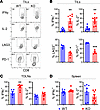 Figure 3
Pim2 deficiency increases effector cytokines but decreases exhaustion features in CD8+ TILs. Ly5.1 B6 mice were s.c. infused with a B16F10 tumor on the flank, followed with sublethal irradiation at 600 cGy and adoptive transfer of gp100 peptide preactivated WT or Pim2-KO CD8+ Pmel T cells on day 7. At day 21 after ACT, tumors, TDLNs, and spleens were isolated from tumor-bearing mice for flow cytometry analysis. (A and B) Representative flow figures and bar graphs showing IFN-γ, IL-2, LAG3, and PD-1 expression in gated live Ly5.2+ CD8 T cells in tumors. (C and D). IFN-γ and IL-2 expression in gated live Ly5.2+ CD8 T cells in TDLNs and spleens. Data represent 2 independent experiments with WT n = 7 and KO n = 8. Data were analyzed by 2-tailed Student’s t test and are shown as mean ± SEM from biological replicates. *P < 0.05, **P < 0.01, ***P < 0.001.
To exclude the model-specific phenomenon and validate our findings, we crossed Pim2-KO mice (FVB background) with HER-2/neu transgenic mice in which clone 100 TCR Tg T cells specifically recognize MHC-I–restricted HER-2/neu expressed on a NT2.5 breast cancer cell line (25, 26). After stimulation with HER2/neu-derived peptide (RNEU420-429) in vitro, Pim2-KO CD8 T cells were more activated than WT controls, as reflected by increased proliferation and IFN-γ production (Supplemental Figure 4, A and B). Adoptive transfer of Pim2-KO CD8 clone 100 T cells showed markedly increased ability to control the growth of orthotopically implanted NT2.5 breast cancer than WT CD8 T cells in vivo (Supplemental Figure 4C). In the TME, deficiency of Pim2 increased CD8 T cell effector differentiation, as shown by increased granzyme B, TNF-α, IFN-γ, and IL-2 cytokines (Supplemental Figure 4, D and E). Taken together, these data reveal that PIM2 constrains effector cytokine production by tumor-infiltrating CD8 T cells.
PIM2 restrained memory-like phenotype and persistence of CD8 T cells after ACT. We further examined how PIM2 regulates the persistence of CD8 T cells, a key feature required for successful T cell therapy. WT or Pim2-KO Pmel T cells were transferred into B16F10-bearing mice with CD45.1 congenic marker. We observed that tumor-infiltrated antigen-specific T cells, as reflected by frequencies and numbers of CD45.2+ CD8 T cells, were significantly increased in the mice transferred with Pim2-KO Pmel cells (Figure 4, A and B), which was consistent with smaller tumor size (Figure 4C). Similarly, the frequencies and numbers of Pim2-KO CD8 T cells were also increased in the recipient spleens (Figure 4, E and F). Subsequently, we examined whether PIM2 limits the expansion of T cells and found that Pim2-KO CD8 T cells in tumors, but not in spleens, had increased expansion, as shown by higher Ki67 expression (Figure 4, D and G). Consistently, in mice with B16 i.v. infusion, transferred Pim2-KO Pmel cells persisted better than WT controls, as indicated by increased frequencies of Tg CD8 T cells in both peripheral blood and spleen (Supplemental Figure 5, A–C), and the Pim2-KO Pmel cells expressed lower levels of exhaustion-associated markers, including PD-1 and LAG3, than WT controls (Supplemental Figure 5D).
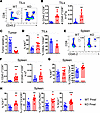 Figure 4
Pim2 deficiency enhances persistence of CD8 T cells after ACT. The experiments were set up as described for Figure 3. At day 21 after ACT, tumors and spleens were isolated for flow cytometry analysis. (A and B) Representative flow figures and bar graphs showing frequencies of CD45.2+CD8+ T cells within gated total live cells and numbers of CD45.2+CD8+ T cells per gram of tumor. (C) Tumor weight in each mouse is shown. (D) Frequency of proliferating (Ki67+) and memory-like (CD44+CD62L+) cells in CD45.2+CD8+ T cells TILs. (E and F) Representative flow figures and bar graphs showing the frequencies and absolute numbers of CD45.2+CD8+ T cells within spleens. (G) Frequency of proliferating (Ki67) and memory-like (CD44+CD62L+) cells in CD45.2+CD8+ T cells are shown in spleens. (H) Frequency of TCF-1+, LY108+CX3CR1–, and CD127+KLRG1– cells in gated CD45.2+CD8+ T cells and Sca1+ in gated CD62L+CD45.2+CD8+ T cells is shown in spleens. Data represent 2 independent experiments with WT n = 7 and KO n = 8. Data were analyzed by 2-tailed Student’s t test and are shown as mean ± SEM from biological replicates. *P < 0.05, **P < 0.01, ***P < 0.001.
Since memory T cells have self-renewing potential and can continuously differentiate into effector T cells, we examined the central memory-like or Tcm features (CD44+CD62L+) of these Pmel CD8 T cells after ACT. Consistent with increased persistence, Pim2-KO CD8 T cells exhibited elevated memory-like features compared with WT controls in the spleen, one of the primary locations for the memory T cells (Figure 4G). However, in tumors, these central memory-like features were significantly downregulated in the Pim2-KO cells compared with the WT CD8 T cells, suggesting more effector differentiation from the KO T cells when encountering tumor antigens (Figure 4D). Consistent with increased memory-like features, Pim2-KO CD8 T cells also expressed increased levels of TCF1 (27), LY108 (28), CD127 (29) and SCA-1 (30), markers associated with progenitor-like T cells in spleens, but not in tumors (data not shown), of B16-bearing mice following ACT (Figure 4H). Taken together, these data suggest that PIM2 negatively affects the persistence of tumor antigen–specific T cells potentially by influencing memory- or progenitor-like T cell differentiation in lymphoid organs.
PIM2 attenuated metabolic adaption of CD8 T cells in response to tumor antigen. To understand the molecular mechanism underlying how PIM2 suppresses CD8 T cell immunity, we performed proteomics analysis and studied the differentially expressed proteins between the PIM2-deficient and -competent Pmel cells after gp100 activation. Compared with WT controls, Pim2-KO CD8 T cells had higher expression of proteins related to activation and effector, such as JUNB, CD99, TAF7, and GZMB, and proteins related to mitochondrial complex I biogenesis, such as NDUFB8, NDUFA8, and NDUFAF4 (Supplemental Figure 6A). In addition, Pim2-KO CD8 T cells had decreased expression of proteins related to T cell exhaustion, such as TOX (31) and IKZF2 (32) (Supplemental Figure 6A). Pathway enrichment analysis revealed that proteins increasingly expressed in Pim2-KO CD8 T cells were associated with immune activation, translational initiation, and negative regulation of apoptosis, while proteins increasingly expressed in WT CD8 T cells were associated with PTEN regulation, ER stress, and cellular response to hypoxia (Supplemental Figure 6, B and C). Importantly, Pim2 deficiency influenced CD8 T cell metabolism, including upregulating proteins involved in glycolysis, amide metabolism, and cellular catabolism and downregulating proteins involved in cholesterol biosynthesis and lipid metabolism (Supplemental Figure 6, B and C).
Metabolic reprogramming is critically required to meet the increased demands for bioenergy and biochemicals during T cell activation. Cellular metabolites also influence the transcriptional and epigenetic programs for differentiation and effector function of CD8 T cells during antitumor response (33, 34). To validate our proteomics data showing that PIM2 influences CD8 T cell metabolism, we examined metabolic activities of Pim2-deficient and -competent Pmel cells after gp100 activation using flow cytometry and Seahorse assay. In line with increased glycolysis-related proteins (Supplemental Figure 6B), Pim2-KO CD8 T cells expressed higher levels of the glucose transporter GLUT1 than WT cells (Figure 5A). Consistent with increased activation and effector cytokine production, the Pim2-KO CD8 T cells also contained increased neutral lipid and mitochondria activity, as reflected by BODIPY and TMRM staining, respectively (Figure 5A). Compared with WT controls, Pim2-KO CD8 T cells had higher levels of ECAR and OCR, indicating increased metabolic activity, including glycolysis and OXPHOS (Figure 5, B and C). Since metabolic reprogramming is crucial for supporting the proliferation and survival during T cell activation, we then examined cell cycle progression in CD8 T cells after gp100 stimulation. Importantly, Pim2-KO CD8 T cells had increased S phase progression and reduced apoptotic cells (Figure 5D). Furthermore, following ACT, Pim2-KO CD8+ TILs exhibited higher glycolysis and mitochondrial activity than WT controls, demonstrated by Glut1 and TMRM expression, respectively, although comparable mitochondrial content, as shown by MitoTracker green staining (Figure 5, E and F). Taken together, we demonstrated that PIM2 may negatively regulate CD8 T cell activation and effector cytokine production through restraining glycolytic and mitochondrial metabolism upon TCR stimulation.
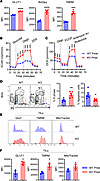 Figure 5
Pim2 deficiency increases metabolic activities of CD8 T cells after tumor antigen stimulation. (A–C) Splenocytes from WT or Pim2-KO Pmel mice were activated with 500 ng/mL gp100 peptide for 3 days. These activated CD8 T cells were subjected to flow staining for Glut1, BODIPY, and TMRM (A) and a Seahorse assay for measuring ECAR and OCR (B and C). In addition, on day 3, cell culture was pulsed with BrdU, and cell cycle progression was examined. Oligo, oligomycin; 2DG, 2-deoxy-d-glucose; FCCP, carbonyl cyanide 4-(trifluoromethoxy)phenylhydrazone. (D) Representative flow figures and bar graphs showing the frequency of cells in S phase and apoptosis. Data represent 2 independent experiments (A–D). (E and F) Ly5.1 B6 mice were s.c. infused with B16F10 tumors on the flank, followed by sublethal irradiation at 600 cGy and adoptive transfer of gp100 peptide preactivated WT or Pim2-KO pmel CD8 T cells on day 7. On day 21 after ACT, expression of Glut1, TMRM, and MitoTracker was observed in gated CD45.2+CD8+ T cells in tumors. Data represent 2 independent experiments with WT n = 7 and KO n = 8. Data were analyzed by 2-tailed Student’s t test (A, D, and F) and 2-way ANOVA (B and C). Data are shown as mean ± SEM from biological replicates. *P < 0.05, **P < 0.01, ***P < 0.001, ****P < 0.0001.
PIM2 inhibited CD8 T cell effector function through increasing autophagy. Next, we studied the mechanism underlying elevated metabolic activity and effector differentiation of CD8 T cells in response to Pim2 deficiency. Previous studies revealed PIM2 as a key promoter of autophagy, in that PIM2 promotes the expression and organization of LC3 and BECLIN-1 and enhances lysosomal acidification in chondrocytes (35) and that it binds and phosphorylates Hexokinase-II on Thr_473 to induce glucose starvation–induced autophagy (36). In CD8 T cells, suppression of autophagy resulted in enhanced antitumor response by shifting CD8 T cells toward glycolytic metabolism and an effector program (37). We therefore hypothesize that CD8 T cells deficient for PIM2 may enhance glycolysis and effector differentiation through inhibiting autophagy. To define the relationship of PIM2 with autophagy within T cells, we evaluated the expression of PIM2 in response to autophagy modulators and found that PIM2 was downregulated in T cells upon activation but was restored when autophagy flux was inhibited by chloroquine (Supplemental Figure 7A). PIM2 expression was not affected by the autophagy inducer metformin (Supplemental Figure 7A).
To further assess the influence of PIM2 on autophagy in T cells, we analyzed bulk RNA-seq data of activated T cells (11) and found lower expression of autophagy-related genes in Pim2-KO T cells compared with WT controls, including Map1lc3b (encoding microtubule-associated protein light chain 3 beta [LC3b]), Map1lc3a (encoding LC3a), Sqstm1 (encoding P62), Lamp2 (encoding CD107b), Ulk1, and many Atg family genes (Figure 6A). Under electron microscopy, autophagosomes were visible in activated WT T cells, but not in Pim2-KO cells (Figure 6B). We further examined expression of LC3-I and LC3-II, the lipidated form of LC3-I and a classic autophagosome marker incorporated into the elongating membrane to form autophagosomes (38). The autophagy levels reflected by the ratio of LC3-II (14 kDa) to LC3-I (16 kDa) were decreased in Pim2-KO CD8 T cells (Figure 6, C and D) but increased in Pim2-overexpressing CD8 T cells (Supplemental Figure 7B) compared with that of WT controls upon activation. We further examined P62, a protein that links ubiquitin protein to autophagosomes and accumulates when autophagy is inhibited (39). Consistently, P62 was more abundant in Pim2-KO CD8 T cells (Figure 6, C and D) but less abundant in Pim2-KI CD8 T cells (Supplemental Figure 7B) compared with that of WT controls upon activation. Using a coimmunoprecipitation assay, we found that PIM2 formed a complex with P62 in T cells (Figure 6E), suggesting PIM2 may promote autophagy through interacting with P62 in T cells. Consistent with PIM2’s role in inducing T cell autophagy in vitro, Pim2-KO CD8 T cells that infiltrated in tumors expressed a significantly lower level of Atg5, a core protein in the autophagy machinery (40), than WT controls (Figure 6F). Recently, amino acid transport was found to acutely repress autophagy in activated CD8 T cells during antigen engagement and inflammatory cytokine stimulation (41). Similarly, we observed that PIM2-deficient CD8 T cells exhibited increased expression of the amino acid transporter CD98 (a heterodimer composed of SLC3A2 and SLC7A5) following antigen stimulation (Supplemental Figure 7C). In addition, Pim2 deficiency enhanced kynurenine uptake in activated CD8 T cells cultured with IL-2 (Supplemental Figure 7D), suggesting amino acid transport may contribute to the reduced autophagic activity in Pim2-KO CD8 T cells.
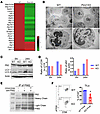 Figure 6
PIM2 negatively regulates autophagic flux in CD8 T cells. (A and B) T cells from WT or Pim2-KO mice were stimulated with anti-CD3/CD28 at 2 μg/mL for 3 days and subjected to bulk RNA-seq and transmission electron microscopy. (A) Genes involved in regulating autophagy are displayed in a heatmap. (B) Autophagosomes are indicated by arrows. Original magnification, ×5,000 (top row), ×25,000 (bottom row). (C and D) CD8 T cells from WT or Pim2-KO mice were stimulated with anti-CD3/CD28 for 24 hours, and P62 and LC3I/II were examined. (E) T cells from Pim2-KI mice were stimulated with anti-CD3/CD28 for 24 hours. PIM2 was pulled down, and P62 was examined. Data represent 2 independent experiments. (F) Ly5.1 B6 mice were s.c. infused with B16F10, followed by sublethal irradiation and transfer of preactivated Pmel cells on day 7. Frequencies of ATG5+ cells in gated CD45.2+CD8+ TILs are shown on day 21 after ACT. Data represent 2 independent experiments with WT n = 7 and KO n = 8. Data were analyzed by DESeq2 (A) and 2-tailed Student’s t test (F). Data are shown as mean ± SEM from biological replicates. *P < 0.05.
To validate the contribution of autophagy modulation to PIM2-mediated T cell suppression, we examined whether inducing autophagy in Pim2-KO T cells could reverse their enhanced effector function. Through overexpression of Atg5 to induce autophagy (Supplemental Figure 8A), we then observed similar levels of effector cytokines, including IFN-γ and IL-2, produced by Pim2-KO versus WT CD8 T cells upon activation in vitro (Supplemental Figure 8B). Consistently, when treated with autophagy inducer, spermidine, the difference between WT and Pim2-KO CD8 T cells regarding effector cytokine production was again eliminated (Supplemental Figure 8C). Taken together, our data illuminated that loss of Pim2 enhances effector cytokine production by T cells at least partially through attenuating autophagy.
PIM2 suppressed memory-like phenotype on CD8 T cells through modulation of EZH2 activity. We observed that Pim2 deficiency in CD8 T cells not only enhanced their effector function in TME (Figure 3), but also increased memory/progenitor-like phenotype in lymphoid organs after ACT (Figure 4). To further elucidate the molecular mechanisms by which PIM2 influences memory CD8 T cell differentiation, we performed phosphoproteomics analysis and studied the differentially expressed phosphoproteins between the PIM2-deficient and -competent Pmel cells after gp100 activation. Among these, proteins known to regulate T cell responses are displayed in the heatmap (Figure 7A). We found that PIM2 modified phosphorylation of a protein across multiple sites, including both up- and downregulation. Pim2-KO CD8 T cells contained mostly lower phosphorylation in proteins reported to be negative regulators of T cells, including CBLB (42), AKAP13 (43), TRIM28 (44), STIM1 (45), and IKZF2 (46), and mostly higher phosphorylation in epigenetic regulators, including LEO1 (47), EZH2 (48), and senescence inhibitory factors, including LAPR7 (49) and DKC1 (50, 51). We then performed pathway analysis and quantified the average abundance level of differentially expressed proteins in each pathway. We found that Pim2-KO Pmel cells had substantially increased abundance of phosphoproteins that related to effector and memory cell differentiation but decreased abundance of phosphoproteins related to exhaustion (Figure 7B). Among these differentially phosphorylated proteins, phosphorylation of EZH2, a histone methyltransferase reported to promote CD8 T memory precursor formation (48), was dramatically increased at sites Ser_380 and Thr_378 in Pim2-KO Pmel cells than WT controls (Figure 7C). Interestingly, VPRBP, a kinase reported to phosphorylate and stabilize EZH2 (52), had markedly reduced phosphorylation at the Ser_197 site in Pim2-KO Pmel cells than WT controls (Figure 7C).
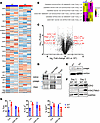 Figure 7
PIM2 negatively regulates VPRBP/EZH2 activity. (A–C) Splenocytes from WT or Pim2-KO Pmel mice were activated with 500 ng/mL gp100 peptide for 3 days and subjected to tandem mass tag–based phosphoproteomics analysis with WT n = 5 and KO n = 5. (A) Differential expression analysis for each phosphosite between WT and KO was conducted, and differentially expressed phosphoproteins reported to regulate T cell response are displayed. (B) A pathway analysis was performed in the differentially phosphorylated proteins. The average abundance of the phosphorylated proteins is shown in each pathway. (C) All differentially expressed phosphoproteins are shown in a volcano plot. (D) WT or Pim2-KO CD8 T cells were stimulated with anti-CD3/CD28 for 24 hours. Anti-PIM2 mAb or control IgG was used to pull down PIM2, followed by Western blot detection of EZH2 and VPRBP. The target bands are marked with asterisks. (E) Western blot detection of VPRBP was performed in activated WT or Pim2-KO Pmel cells at 3 days after gp100 stimulation. (F) EZH2 and H3K27Me3 were detected in CD8 T cells after anti-CD3/CD28 stimulation. (G) Pmel splenocytes were activated with gp100 peptide plus 5 ng/mL IL-15 with or without 5 μM GSK126 for 5 days. Frequencies of IL-2+, IFN-γ+, and CD44+CD62L+ (Tcm) are shown. Data represent 2 independent experiments (D–G). Data were analyzed unpaired 2-tailed Student’s t test (A and G). Data are shown as mean ± SEM. *P < 0.05.
We further hypothesized that PIM2 may interact with VPRBP and EZH2, therefore regulating their phosphorylation and activity in directing CD8 T cell differentiation. To test this, we purified WT CD8 T cells and immunoprecipitated PIM2 24 hours after anti-CD3/CD28 stimulation. Indeed, we found PIM2 interacted with both VPRBP and EZH2 (Figure 7D). In addition to modulating the phosphorylation of VPRBP (Figure 7, A and C), Pim2 deficiency also led to an increase in total protein levels of VPRBP (Figure 7E). Consistently, Pim2-KO Pmel cells had increased expression of EZH2 and its activity, as reflected by H3K27 trimethylation (H3K27me3) (Figure 7F). To explore the possible role of VPRBP in promoting EZH2 activity in CD8 T cells, we inhibited VPRBP kinase activity with B32B3 and found that inhibition of VPRBP reversed the heightened H3K27me3 expression in Pim2-KO CD8 T cells (Supplemental Figure 9A). Using an EZH2 inhibitor, GSK126, we further examined how EZH2 inhibition impacts CD8 T cell response. While Pim2-KO CD8 T cells had increased Tcm differentiation compared with WT controls during chronic peptide stimulation, addition of GSK126 minimized the difference (Figure 7G). Interestingly, GSK126 also reversed the elevated levels of IL-2 and Ki67 in Pim2-KO CD8 T cells (Figure 7G). Consistent with the reported suppressive role of EZH2 in autophagy (53), EZH2 inhibition reversed the heightened P62 accumulation in Pim2-KO CD8 T cells and equalized autophagy levels in WT and Pim2-KO CD8 T cells (Supplemental Figure 9, B and C). Taken together, our data indicate that increased activity of EZH2 contributes to enhanced memory-like features and effector cytokine production by Pim2-KO CD8 T cells.
Pharmacologic inhibition of PIM2 promoted T cell antitumor immunity. All the data presented so far were obtained using genetically modified models. To enhance translational relevance, we also pursued pharmacological blockade. JP11646, a non-ATP competitive inhibitor more specific for PIM2 isoform, was shown to inhibit multiple myeloma growth (15). Thus, we evaluated the effect of JP11646 on antigen-specific CD8 T cell response and found that it increased WT T cell proliferation and activation in a dose-dependent manner, but the effect was much less profound on Pim2-KO T cells (Supplemental Figure 10). We suggest that JP11646 specifically inhibited the PIM2 isoform. We then elucidated the impact of PIM2 inhibition on antitumor immunity using murine models of ACT. We found that JP11646 treatment in mice markedly improved antitumor efficacy of WT TCR clone 100 T cells in controlling NT2.5 breast cancer (Supplemental Figure 11, A and B). Furthermore, JP11646 treatment also increased the ability of WT Pmel cells to control B16F10 melanoma growth established by either s.c. or i.v. injection (Supplemental Figure 11, C and D). The improvement of antitumor immunity of CD8 T cells by JP11646 administration was as effective as Pim2 deficiency in both tumor models (Supplemental Figure 11). Furthermore, JP11646 administration did not further enhance antitumor responses mediated by Pim2-KO T cells, suggesting that the efficacy of JP11646 requires PIM2 expression in T cells (Supplemental Figure 11E). Collectively, our data indicated that targeting PIM2 with JP11646 promotes T cell antitumor immunity.
PIM2 negatively regulated human T cell response. To increase translational potential, we further evaluated the role of PIM2 in human CD8 T cell responses. We silenced PIM2 in human naive T cells using sgRNA and examined their response to anti-CD3/CD28 stimulation (Figure 8A). Loss of PIM2 markedly increased effector cytokine production in human CD8 T cells (Figure 8A). We then tested how PIM2 deficiency impacts human CD19 CAR T cells controlling CD19+ target cells (Raji) (54). Raji cells were i.v. injected into NSG mice followed by control or PIM2-deficient CD19 CAR T therapy. Pim2 deficiency markedly reduced Raji tumor burden and improved recipient survival (Figure 8, B and C). Furthermore, inhibition of PIM2 with JP11614 significantly enhanced human CD8 T cell activation in response to anti-CD3 stimulation, as reflected by increased IFN-γ production in a dose-dependent manner (Figure 8D). We then evaluated how PIM2 inhibition impacted human T cell response to tumor-associated antigens. By transducing with lentivirus encoding the TIL1383I TCR, we generated T cells that specifically recognized human melanoma epitope tyrosinase presented by HLA-A2 (55, 56). After coculture with T2 cells pulsed with tyrosinase peptide, we found that addition of the PIM2 inhibitor JP11646 enhanced the expansion of TIL1383I cells (CD34+) and their activation, as shown by elevated IFN-γ, CD107a, and CD25 expression (Supplemental Figure 12). Similarly, inhibition of PIM2 increased expansion, cytokine production, and killing activity of CD19 CAR T cells in vitro (Figure 8, E and F). We further examined whether JP11646 could enhance in vivo treatment efficacy of CD19 CAR-T cells and found that mice treated with JP11646 showed improved survival compared with those with vehicle control (Figure 8G). Consistently, JP11646 treatment markedly reduced tumor burden after CAR T therapy (Figure 8H). Taken together, these results indicate that targeting PIM2 promotes human T cell responses to tumor antigens.
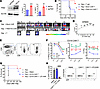 Figure 8
Targeting PIM2 increases human T cell antitumor response. (A) Pan T cells were isolated from human PBMCs, transfected with sgRNA to silence PIM2, and stimulated with anti-CD3/CD28 for 3 days. PIM2 expression in T cells and percentages of IFN-γ+ and TNF-α+ in gated CD8 T cells are shown. (B and C) Pan T cells were isolated from human PBMCs, transfected with sgRNA to silence PIM2, and 48 hours later activated with anti-CD3 beads for 24 hours. Cells were then transduced with control or CD19 CAR vector and expanded in hrIL-7 and hrIL-15 for 7 days. NSG mice were i.v. injected with 0.5 × 10⁶ luciferase-transduced Raji cells, and 6 days later 3 × 10⁶ control T cells or CAR T product (including ~1 × 10⁶ CAR+ cells) were infused. Survival and bioluminescence were monitored. (D) Human PBMCs were stimulated with 1 μg/mL anti-CD3 for 3 days. Percentages of IFN-γ+ cells in gated CD8 T cells are shown. (E and F) Activated human T cells were transduced with CD19 CAR vector with a truncated CD34 tag and then expanded in IL-2 for 5 days. CAR T cells were cultured with Raji cells at the ratios indicated with or without JP11646 overnight. Gating strategy (E) and percentage of killing of CD19+ target cells, CD34+ cells among CD8+ cells, and IFN-γ+ cells (F) among CD8+CD34+ cells. Data represent 2 independent experiments (A–F). (G) NSG mice were i.v. injected with 1 × 10⁶ GFP+ Raji cells and 3 days later with 1 × 10⁶ CAR+ T cells. JP11646 or vehicle was administrated i.p. at 7.5 mg/kg twice a week for 4 weeks. Survival was monitored. (H) Percentages of Raji (GFP+) cells in peripheral blood are shown on day 28. Data represent 2 independent experiments with n = 10 mice/group. Data were analyzed by 2-tailed Student’s t test (A), 1-way ANOVA (D and H), 2-way ANOVA (F), and log-rank test for survival curves (B and G). Data are shown as mean ± SEM from biological replicates. *P < 0.05, **P < 0.01, ***P < 0.001, ****P < 0.0001.


Copyright © 2026 American Society for Clinical Investigation
ISSN: 0021-9738 (print), 1558-8238 (online)