
Research ArticleImmunologyInfectious disease
Open Access |  10.1172/jci.insight.195866
IFN-γ–induced trained immunity enhances killing of priority pathogens in healthy and genetically vulnerable individuals
Dearbhla M. Murphy,1 Isabella Batten,1 Aoife O’Farrell,2 Simon R. Carlile,3 Sinead A. O’Rourke,3 Chloe Court,1 Brenda Morris,3 Gina Leisching,1 Gráinne Jameson,1 Sarah A. Connolly,1 Adam H. Dyer,1 John P. McGrath,1 Emma McNally,1,4 Olivia Sandby-Thomas,1 Anjali Yennemadi,1 Conor M. Finlay,1 Clíona Ní Cheallaigh,1 Jean Dunne,1,5 Cilian Ó Maoldomhnaigh,1 Laura E. Gleeson,1,4 Aisling Dunne,3 Nollaig Bourke,1 Reinout van Crevel,6 Donal J. Cox,1 Niall Conlon,1,5 Arjun Raj,2,7 Rachel M. McLoughlin,3 Joseph Keane,1,4 and Sharee A. Basdeo1
1School of Medicine, Trinity Translational Medicine Institute, St. James’s Hospital, Trinity College Dublin, University of Dublin, Dublin, Ireland.
2Department of Bioengineering, School of Engineering and Applied Sciences, University of Pennsylvania, Philadelphia, Pennsylvania, USA.
3School of Biochemistry and Immunology, Trinity Biomedical Sciences Institute, Trinity College Dublin, University of Dublin, Dublin, Ireland.
4National Tuberculosis Centre, Department of Respiratory Medicine, and
5Department of Clinical Immunology, St. James’s Hospital, Dublin, Ireland.
6Department of Internal Medicine and Radboud Community for Infectious Diseases, Radboud University Medical Centre, Nijmegen, Netherlands.
7Department of Genetics, Perelman School of Medicine, University of Pennsylvania, Philadelphia, Pennsylvania, USA.
Address correspondence to: Sharee A. Basdeo, Trinity Translational Medicine Institute, Trinity Centre for Health Sciences, St James’s Hospital, Trinity College Dublin, The University of Dublin, James’s Street, Dublin 8, Ireland, D08W9RT. Phone: 353.1.8963266; Email: basdeos@tcd.ie.
Find articles by
Murphy, D.
in:
PubMed
|
Google Scholar
|

1School of Medicine, Trinity Translational Medicine Institute, St. James’s Hospital, Trinity College Dublin, University of Dublin, Dublin, Ireland.
2Department of Bioengineering, School of Engineering and Applied Sciences, University of Pennsylvania, Philadelphia, Pennsylvania, USA.
3School of Biochemistry and Immunology, Trinity Biomedical Sciences Institute, Trinity College Dublin, University of Dublin, Dublin, Ireland.
4National Tuberculosis Centre, Department of Respiratory Medicine, and
5Department of Clinical Immunology, St. James’s Hospital, Dublin, Ireland.
6Department of Internal Medicine and Radboud Community for Infectious Diseases, Radboud University Medical Centre, Nijmegen, Netherlands.
7Department of Genetics, Perelman School of Medicine, University of Pennsylvania, Philadelphia, Pennsylvania, USA.
Address correspondence to: Sharee A. Basdeo, Trinity Translational Medicine Institute, Trinity Centre for Health Sciences, St James’s Hospital, Trinity College Dublin, The University of Dublin, James’s Street, Dublin 8, Ireland, D08W9RT. Phone: 353.1.8963266; Email: basdeos@tcd.ie.
Find articles by Batten, I. in: PubMed | Google Scholar
1School of Medicine, Trinity Translational Medicine Institute, St. James’s Hospital, Trinity College Dublin, University of Dublin, Dublin, Ireland.
2Department of Bioengineering, School of Engineering and Applied Sciences, University of Pennsylvania, Philadelphia, Pennsylvania, USA.
3School of Biochemistry and Immunology, Trinity Biomedical Sciences Institute, Trinity College Dublin, University of Dublin, Dublin, Ireland.
4National Tuberculosis Centre, Department of Respiratory Medicine, and
5Department of Clinical Immunology, St. James’s Hospital, Dublin, Ireland.
6Department of Internal Medicine and Radboud Community for Infectious Diseases, Radboud University Medical Centre, Nijmegen, Netherlands.
7Department of Genetics, Perelman School of Medicine, University of Pennsylvania, Philadelphia, Pennsylvania, USA.
Address correspondence to: Sharee A. Basdeo, Trinity Translational Medicine Institute, Trinity Centre for Health Sciences, St James’s Hospital, Trinity College Dublin, The University of Dublin, James’s Street, Dublin 8, Ireland, D08W9RT. Phone: 353.1.8963266; Email: basdeos@tcd.ie.
Find articles by O’Farrell, A. in: PubMed | Google Scholar
1School of Medicine, Trinity Translational Medicine Institute, St. James’s Hospital, Trinity College Dublin, University of Dublin, Dublin, Ireland.
2Department of Bioengineering, School of Engineering and Applied Sciences, University of Pennsylvania, Philadelphia, Pennsylvania, USA.
3School of Biochemistry and Immunology, Trinity Biomedical Sciences Institute, Trinity College Dublin, University of Dublin, Dublin, Ireland.
4National Tuberculosis Centre, Department of Respiratory Medicine, and
5Department of Clinical Immunology, St. James’s Hospital, Dublin, Ireland.
6Department of Internal Medicine and Radboud Community for Infectious Diseases, Radboud University Medical Centre, Nijmegen, Netherlands.
7Department of Genetics, Perelman School of Medicine, University of Pennsylvania, Philadelphia, Pennsylvania, USA.
Address correspondence to: Sharee A. Basdeo, Trinity Translational Medicine Institute, Trinity Centre for Health Sciences, St James’s Hospital, Trinity College Dublin, The University of Dublin, James’s Street, Dublin 8, Ireland, D08W9RT. Phone: 353.1.8963266; Email: basdeos@tcd.ie.
Find articles by Carlile, S. in: PubMed | Google Scholar
1School of Medicine, Trinity Translational Medicine Institute, St. James’s Hospital, Trinity College Dublin, University of Dublin, Dublin, Ireland.
2Department of Bioengineering, School of Engineering and Applied Sciences, University of Pennsylvania, Philadelphia, Pennsylvania, USA.
3School of Biochemistry and Immunology, Trinity Biomedical Sciences Institute, Trinity College Dublin, University of Dublin, Dublin, Ireland.
4National Tuberculosis Centre, Department of Respiratory Medicine, and
5Department of Clinical Immunology, St. James’s Hospital, Dublin, Ireland.
6Department of Internal Medicine and Radboud Community for Infectious Diseases, Radboud University Medical Centre, Nijmegen, Netherlands.
7Department of Genetics, Perelman School of Medicine, University of Pennsylvania, Philadelphia, Pennsylvania, USA.
Address correspondence to: Sharee A. Basdeo, Trinity Translational Medicine Institute, Trinity Centre for Health Sciences, St James’s Hospital, Trinity College Dublin, The University of Dublin, James’s Street, Dublin 8, Ireland, D08W9RT. Phone: 353.1.8963266; Email: basdeos@tcd.ie.
Find articles by O’Rourke, S. in: PubMed | Google Scholar
1School of Medicine, Trinity Translational Medicine Institute, St. James’s Hospital, Trinity College Dublin, University of Dublin, Dublin, Ireland.
2Department of Bioengineering, School of Engineering and Applied Sciences, University of Pennsylvania, Philadelphia, Pennsylvania, USA.
3School of Biochemistry and Immunology, Trinity Biomedical Sciences Institute, Trinity College Dublin, University of Dublin, Dublin, Ireland.
4National Tuberculosis Centre, Department of Respiratory Medicine, and
5Department of Clinical Immunology, St. James’s Hospital, Dublin, Ireland.
6Department of Internal Medicine and Radboud Community for Infectious Diseases, Radboud University Medical Centre, Nijmegen, Netherlands.
7Department of Genetics, Perelman School of Medicine, University of Pennsylvania, Philadelphia, Pennsylvania, USA.
Address correspondence to: Sharee A. Basdeo, Trinity Translational Medicine Institute, Trinity Centre for Health Sciences, St James’s Hospital, Trinity College Dublin, The University of Dublin, James’s Street, Dublin 8, Ireland, D08W9RT. Phone: 353.1.8963266; Email: basdeos@tcd.ie.
Find articles by Court, C. in: PubMed | Google Scholar
1School of Medicine, Trinity Translational Medicine Institute, St. James’s Hospital, Trinity College Dublin, University of Dublin, Dublin, Ireland.
2Department of Bioengineering, School of Engineering and Applied Sciences, University of Pennsylvania, Philadelphia, Pennsylvania, USA.
3School of Biochemistry and Immunology, Trinity Biomedical Sciences Institute, Trinity College Dublin, University of Dublin, Dublin, Ireland.
4National Tuberculosis Centre, Department of Respiratory Medicine, and
5Department of Clinical Immunology, St. James’s Hospital, Dublin, Ireland.
6Department of Internal Medicine and Radboud Community for Infectious Diseases, Radboud University Medical Centre, Nijmegen, Netherlands.
7Department of Genetics, Perelman School of Medicine, University of Pennsylvania, Philadelphia, Pennsylvania, USA.
Address correspondence to: Sharee A. Basdeo, Trinity Translational Medicine Institute, Trinity Centre for Health Sciences, St James’s Hospital, Trinity College Dublin, The University of Dublin, James’s Street, Dublin 8, Ireland, D08W9RT. Phone: 353.1.8963266; Email: basdeos@tcd.ie.
Find articles by Morris, B. in: PubMed | Google Scholar
1School of Medicine, Trinity Translational Medicine Institute, St. James’s Hospital, Trinity College Dublin, University of Dublin, Dublin, Ireland.
2Department of Bioengineering, School of Engineering and Applied Sciences, University of Pennsylvania, Philadelphia, Pennsylvania, USA.
3School of Biochemistry and Immunology, Trinity Biomedical Sciences Institute, Trinity College Dublin, University of Dublin, Dublin, Ireland.
4National Tuberculosis Centre, Department of Respiratory Medicine, and
5Department of Clinical Immunology, St. James’s Hospital, Dublin, Ireland.
6Department of Internal Medicine and Radboud Community for Infectious Diseases, Radboud University Medical Centre, Nijmegen, Netherlands.
7Department of Genetics, Perelman School of Medicine, University of Pennsylvania, Philadelphia, Pennsylvania, USA.
Address correspondence to: Sharee A. Basdeo, Trinity Translational Medicine Institute, Trinity Centre for Health Sciences, St James’s Hospital, Trinity College Dublin, The University of Dublin, James’s Street, Dublin 8, Ireland, D08W9RT. Phone: 353.1.8963266; Email: basdeos@tcd.ie.
Find articles by Leisching, G. in: PubMed | Google Scholar
1School of Medicine, Trinity Translational Medicine Institute, St. James’s Hospital, Trinity College Dublin, University of Dublin, Dublin, Ireland.
2Department of Bioengineering, School of Engineering and Applied Sciences, University of Pennsylvania, Philadelphia, Pennsylvania, USA.
3School of Biochemistry and Immunology, Trinity Biomedical Sciences Institute, Trinity College Dublin, University of Dublin, Dublin, Ireland.
4National Tuberculosis Centre, Department of Respiratory Medicine, and
5Department of Clinical Immunology, St. James’s Hospital, Dublin, Ireland.
6Department of Internal Medicine and Radboud Community for Infectious Diseases, Radboud University Medical Centre, Nijmegen, Netherlands.
7Department of Genetics, Perelman School of Medicine, University of Pennsylvania, Philadelphia, Pennsylvania, USA.
Address correspondence to: Sharee A. Basdeo, Trinity Translational Medicine Institute, Trinity Centre for Health Sciences, St James’s Hospital, Trinity College Dublin, The University of Dublin, James’s Street, Dublin 8, Ireland, D08W9RT. Phone: 353.1.8963266; Email: basdeos@tcd.ie.
Find articles by Jameson, G. in: PubMed | Google Scholar
1School of Medicine, Trinity Translational Medicine Institute, St. James’s Hospital, Trinity College Dublin, University of Dublin, Dublin, Ireland.
2Department of Bioengineering, School of Engineering and Applied Sciences, University of Pennsylvania, Philadelphia, Pennsylvania, USA.
3School of Biochemistry and Immunology, Trinity Biomedical Sciences Institute, Trinity College Dublin, University of Dublin, Dublin, Ireland.
4National Tuberculosis Centre, Department of Respiratory Medicine, and
5Department of Clinical Immunology, St. James’s Hospital, Dublin, Ireland.
6Department of Internal Medicine and Radboud Community for Infectious Diseases, Radboud University Medical Centre, Nijmegen, Netherlands.
7Department of Genetics, Perelman School of Medicine, University of Pennsylvania, Philadelphia, Pennsylvania, USA.
Address correspondence to: Sharee A. Basdeo, Trinity Translational Medicine Institute, Trinity Centre for Health Sciences, St James’s Hospital, Trinity College Dublin, The University of Dublin, James’s Street, Dublin 8, Ireland, D08W9RT. Phone: 353.1.8963266; Email: basdeos@tcd.ie.
Find articles by
Connolly, S.
in:
PubMed
|
Google Scholar
|
1School of Medicine, Trinity Translational Medicine Institute, St. James’s Hospital, Trinity College Dublin, University of Dublin, Dublin, Ireland.
2Department of Bioengineering, School of Engineering and Applied Sciences, University of Pennsylvania, Philadelphia, Pennsylvania, USA.
3School of Biochemistry and Immunology, Trinity Biomedical Sciences Institute, Trinity College Dublin, University of Dublin, Dublin, Ireland.
4National Tuberculosis Centre, Department of Respiratory Medicine, and
5Department of Clinical Immunology, St. James’s Hospital, Dublin, Ireland.
6Department of Internal Medicine and Radboud Community for Infectious Diseases, Radboud University Medical Centre, Nijmegen, Netherlands.
7Department of Genetics, Perelman School of Medicine, University of Pennsylvania, Philadelphia, Pennsylvania, USA.
Address correspondence to: Sharee A. Basdeo, Trinity Translational Medicine Institute, Trinity Centre for Health Sciences, St James’s Hospital, Trinity College Dublin, The University of Dublin, James’s Street, Dublin 8, Ireland, D08W9RT. Phone: 353.1.8963266; Email: basdeos@tcd.ie.
Find articles by
Dyer, A.
in:
PubMed
|
Google Scholar
|
1School of Medicine, Trinity Translational Medicine Institute, St. James’s Hospital, Trinity College Dublin, University of Dublin, Dublin, Ireland.
2Department of Bioengineering, School of Engineering and Applied Sciences, University of Pennsylvania, Philadelphia, Pennsylvania, USA.
3School of Biochemistry and Immunology, Trinity Biomedical Sciences Institute, Trinity College Dublin, University of Dublin, Dublin, Ireland.
4National Tuberculosis Centre, Department of Respiratory Medicine, and
5Department of Clinical Immunology, St. James’s Hospital, Dublin, Ireland.
6Department of Internal Medicine and Radboud Community for Infectious Diseases, Radboud University Medical Centre, Nijmegen, Netherlands.
7Department of Genetics, Perelman School of Medicine, University of Pennsylvania, Philadelphia, Pennsylvania, USA.
Address correspondence to: Sharee A. Basdeo, Trinity Translational Medicine Institute, Trinity Centre for Health Sciences, St James’s Hospital, Trinity College Dublin, The University of Dublin, James’s Street, Dublin 8, Ireland, D08W9RT. Phone: 353.1.8963266; Email: basdeos@tcd.ie.
Find articles by McGrath, J. in: PubMed | Google Scholar
1School of Medicine, Trinity Translational Medicine Institute, St. James’s Hospital, Trinity College Dublin, University of Dublin, Dublin, Ireland.
2Department of Bioengineering, School of Engineering and Applied Sciences, University of Pennsylvania, Philadelphia, Pennsylvania, USA.
3School of Biochemistry and Immunology, Trinity Biomedical Sciences Institute, Trinity College Dublin, University of Dublin, Dublin, Ireland.
4National Tuberculosis Centre, Department of Respiratory Medicine, and
5Department of Clinical Immunology, St. James’s Hospital, Dublin, Ireland.
6Department of Internal Medicine and Radboud Community for Infectious Diseases, Radboud University Medical Centre, Nijmegen, Netherlands.
7Department of Genetics, Perelman School of Medicine, University of Pennsylvania, Philadelphia, Pennsylvania, USA.
Address correspondence to: Sharee A. Basdeo, Trinity Translational Medicine Institute, Trinity Centre for Health Sciences, St James’s Hospital, Trinity College Dublin, The University of Dublin, James’s Street, Dublin 8, Ireland, D08W9RT. Phone: 353.1.8963266; Email: basdeos@tcd.ie.
Find articles by McNally, E. in: PubMed | Google Scholar
1School of Medicine, Trinity Translational Medicine Institute, St. James’s Hospital, Trinity College Dublin, University of Dublin, Dublin, Ireland.
2Department of Bioengineering, School of Engineering and Applied Sciences, University of Pennsylvania, Philadelphia, Pennsylvania, USA.
3School of Biochemistry and Immunology, Trinity Biomedical Sciences Institute, Trinity College Dublin, University of Dublin, Dublin, Ireland.
4National Tuberculosis Centre, Department of Respiratory Medicine, and
5Department of Clinical Immunology, St. James’s Hospital, Dublin, Ireland.
6Department of Internal Medicine and Radboud Community for Infectious Diseases, Radboud University Medical Centre, Nijmegen, Netherlands.
7Department of Genetics, Perelman School of Medicine, University of Pennsylvania, Philadelphia, Pennsylvania, USA.
Address correspondence to: Sharee A. Basdeo, Trinity Translational Medicine Institute, Trinity Centre for Health Sciences, St James’s Hospital, Trinity College Dublin, The University of Dublin, James’s Street, Dublin 8, Ireland, D08W9RT. Phone: 353.1.8963266; Email: basdeos@tcd.ie.
Find articles by Sandby-Thomas, O. in: PubMed | Google Scholar
1School of Medicine, Trinity Translational Medicine Institute, St. James’s Hospital, Trinity College Dublin, University of Dublin, Dublin, Ireland.
2Department of Bioengineering, School of Engineering and Applied Sciences, University of Pennsylvania, Philadelphia, Pennsylvania, USA.
3School of Biochemistry and Immunology, Trinity Biomedical Sciences Institute, Trinity College Dublin, University of Dublin, Dublin, Ireland.
4National Tuberculosis Centre, Department of Respiratory Medicine, and
5Department of Clinical Immunology, St. James’s Hospital, Dublin, Ireland.
6Department of Internal Medicine and Radboud Community for Infectious Diseases, Radboud University Medical Centre, Nijmegen, Netherlands.
7Department of Genetics, Perelman School of Medicine, University of Pennsylvania, Philadelphia, Pennsylvania, USA.
Address correspondence to: Sharee A. Basdeo, Trinity Translational Medicine Institute, Trinity Centre for Health Sciences, St James’s Hospital, Trinity College Dublin, The University of Dublin, James’s Street, Dublin 8, Ireland, D08W9RT. Phone: 353.1.8963266; Email: basdeos@tcd.ie.
Find articles by Yennemadi, A. in: PubMed | Google Scholar
1School of Medicine, Trinity Translational Medicine Institute, St. James’s Hospital, Trinity College Dublin, University of Dublin, Dublin, Ireland.
2Department of Bioengineering, School of Engineering and Applied Sciences, University of Pennsylvania, Philadelphia, Pennsylvania, USA.
3School of Biochemistry and Immunology, Trinity Biomedical Sciences Institute, Trinity College Dublin, University of Dublin, Dublin, Ireland.
4National Tuberculosis Centre, Department of Respiratory Medicine, and
5Department of Clinical Immunology, St. James’s Hospital, Dublin, Ireland.
6Department of Internal Medicine and Radboud Community for Infectious Diseases, Radboud University Medical Centre, Nijmegen, Netherlands.
7Department of Genetics, Perelman School of Medicine, University of Pennsylvania, Philadelphia, Pennsylvania, USA.
Address correspondence to: Sharee A. Basdeo, Trinity Translational Medicine Institute, Trinity Centre for Health Sciences, St James’s Hospital, Trinity College Dublin, The University of Dublin, James’s Street, Dublin 8, Ireland, D08W9RT. Phone: 353.1.8963266; Email: basdeos@tcd.ie.
Find articles by Finlay, C. in: PubMed | Google Scholar
1School of Medicine, Trinity Translational Medicine Institute, St. James’s Hospital, Trinity College Dublin, University of Dublin, Dublin, Ireland.
2Department of Bioengineering, School of Engineering and Applied Sciences, University of Pennsylvania, Philadelphia, Pennsylvania, USA.
3School of Biochemistry and Immunology, Trinity Biomedical Sciences Institute, Trinity College Dublin, University of Dublin, Dublin, Ireland.
4National Tuberculosis Centre, Department of Respiratory Medicine, and
5Department of Clinical Immunology, St. James’s Hospital, Dublin, Ireland.
6Department of Internal Medicine and Radboud Community for Infectious Diseases, Radboud University Medical Centre, Nijmegen, Netherlands.
7Department of Genetics, Perelman School of Medicine, University of Pennsylvania, Philadelphia, Pennsylvania, USA.
Address correspondence to: Sharee A. Basdeo, Trinity Translational Medicine Institute, Trinity Centre for Health Sciences, St James’s Hospital, Trinity College Dublin, The University of Dublin, James’s Street, Dublin 8, Ireland, D08W9RT. Phone: 353.1.8963266; Email: basdeos@tcd.ie.
Find articles by Cheallaigh, C. in: PubMed | Google Scholar
1School of Medicine, Trinity Translational Medicine Institute, St. James’s Hospital, Trinity College Dublin, University of Dublin, Dublin, Ireland.
2Department of Bioengineering, School of Engineering and Applied Sciences, University of Pennsylvania, Philadelphia, Pennsylvania, USA.
3School of Biochemistry and Immunology, Trinity Biomedical Sciences Institute, Trinity College Dublin, University of Dublin, Dublin, Ireland.
4National Tuberculosis Centre, Department of Respiratory Medicine, and
5Department of Clinical Immunology, St. James’s Hospital, Dublin, Ireland.
6Department of Internal Medicine and Radboud Community for Infectious Diseases, Radboud University Medical Centre, Nijmegen, Netherlands.
7Department of Genetics, Perelman School of Medicine, University of Pennsylvania, Philadelphia, Pennsylvania, USA.
Address correspondence to: Sharee A. Basdeo, Trinity Translational Medicine Institute, Trinity Centre for Health Sciences, St James’s Hospital, Trinity College Dublin, The University of Dublin, James’s Street, Dublin 8, Ireland, D08W9RT. Phone: 353.1.8963266; Email: basdeos@tcd.ie.
Find articles by Dunne, J. in: PubMed | Google Scholar
1School of Medicine, Trinity Translational Medicine Institute, St. James’s Hospital, Trinity College Dublin, University of Dublin, Dublin, Ireland.
2Department of Bioengineering, School of Engineering and Applied Sciences, University of Pennsylvania, Philadelphia, Pennsylvania, USA.
3School of Biochemistry and Immunology, Trinity Biomedical Sciences Institute, Trinity College Dublin, University of Dublin, Dublin, Ireland.
4National Tuberculosis Centre, Department of Respiratory Medicine, and
5Department of Clinical Immunology, St. James’s Hospital, Dublin, Ireland.
6Department of Internal Medicine and Radboud Community for Infectious Diseases, Radboud University Medical Centre, Nijmegen, Netherlands.
7Department of Genetics, Perelman School of Medicine, University of Pennsylvania, Philadelphia, Pennsylvania, USA.
Address correspondence to: Sharee A. Basdeo, Trinity Translational Medicine Institute, Trinity Centre for Health Sciences, St James’s Hospital, Trinity College Dublin, The University of Dublin, James’s Street, Dublin 8, Ireland, D08W9RT. Phone: 353.1.8963266; Email: basdeos@tcd.ie.
Find articles by Maoldomhnaigh, C. in: PubMed | Google Scholar
1School of Medicine, Trinity Translational Medicine Institute, St. James’s Hospital, Trinity College Dublin, University of Dublin, Dublin, Ireland.
2Department of Bioengineering, School of Engineering and Applied Sciences, University of Pennsylvania, Philadelphia, Pennsylvania, USA.
3School of Biochemistry and Immunology, Trinity Biomedical Sciences Institute, Trinity College Dublin, University of Dublin, Dublin, Ireland.
4National Tuberculosis Centre, Department of Respiratory Medicine, and
5Department of Clinical Immunology, St. James’s Hospital, Dublin, Ireland.
6Department of Internal Medicine and Radboud Community for Infectious Diseases, Radboud University Medical Centre, Nijmegen, Netherlands.
7Department of Genetics, Perelman School of Medicine, University of Pennsylvania, Philadelphia, Pennsylvania, USA.
Address correspondence to: Sharee A. Basdeo, Trinity Translational Medicine Institute, Trinity Centre for Health Sciences, St James’s Hospital, Trinity College Dublin, The University of Dublin, James’s Street, Dublin 8, Ireland, D08W9RT. Phone: 353.1.8963266; Email: basdeos@tcd.ie.
Find articles by Gleeson, L. in: PubMed | Google Scholar
1School of Medicine, Trinity Translational Medicine Institute, St. James’s Hospital, Trinity College Dublin, University of Dublin, Dublin, Ireland.
2Department of Bioengineering, School of Engineering and Applied Sciences, University of Pennsylvania, Philadelphia, Pennsylvania, USA.
3School of Biochemistry and Immunology, Trinity Biomedical Sciences Institute, Trinity College Dublin, University of Dublin, Dublin, Ireland.
4National Tuberculosis Centre, Department of Respiratory Medicine, and
5Department of Clinical Immunology, St. James’s Hospital, Dublin, Ireland.
6Department of Internal Medicine and Radboud Community for Infectious Diseases, Radboud University Medical Centre, Nijmegen, Netherlands.
7Department of Genetics, Perelman School of Medicine, University of Pennsylvania, Philadelphia, Pennsylvania, USA.
Address correspondence to: Sharee A. Basdeo, Trinity Translational Medicine Institute, Trinity Centre for Health Sciences, St James’s Hospital, Trinity College Dublin, The University of Dublin, James’s Street, Dublin 8, Ireland, D08W9RT. Phone: 353.1.8963266; Email: basdeos@tcd.ie.
Find articles by Dunne, A. in: PubMed | Google Scholar
1School of Medicine, Trinity Translational Medicine Institute, St. James’s Hospital, Trinity College Dublin, University of Dublin, Dublin, Ireland.
2Department of Bioengineering, School of Engineering and Applied Sciences, University of Pennsylvania, Philadelphia, Pennsylvania, USA.
3School of Biochemistry and Immunology, Trinity Biomedical Sciences Institute, Trinity College Dublin, University of Dublin, Dublin, Ireland.
4National Tuberculosis Centre, Department of Respiratory Medicine, and
5Department of Clinical Immunology, St. James’s Hospital, Dublin, Ireland.
6Department of Internal Medicine and Radboud Community for Infectious Diseases, Radboud University Medical Centre, Nijmegen, Netherlands.
7Department of Genetics, Perelman School of Medicine, University of Pennsylvania, Philadelphia, Pennsylvania, USA.
Address correspondence to: Sharee A. Basdeo, Trinity Translational Medicine Institute, Trinity Centre for Health Sciences, St James’s Hospital, Trinity College Dublin, The University of Dublin, James’s Street, Dublin 8, Ireland, D08W9RT. Phone: 353.1.8963266; Email: basdeos@tcd.ie.
Find articles by Bourke, N. in: PubMed | Google Scholar
1School of Medicine, Trinity Translational Medicine Institute, St. James’s Hospital, Trinity College Dublin, University of Dublin, Dublin, Ireland.
2Department of Bioengineering, School of Engineering and Applied Sciences, University of Pennsylvania, Philadelphia, Pennsylvania, USA.
3School of Biochemistry and Immunology, Trinity Biomedical Sciences Institute, Trinity College Dublin, University of Dublin, Dublin, Ireland.
4National Tuberculosis Centre, Department of Respiratory Medicine, and
5Department of Clinical Immunology, St. James’s Hospital, Dublin, Ireland.
6Department of Internal Medicine and Radboud Community for Infectious Diseases, Radboud University Medical Centre, Nijmegen, Netherlands.
7Department of Genetics, Perelman School of Medicine, University of Pennsylvania, Philadelphia, Pennsylvania, USA.
Address correspondence to: Sharee A. Basdeo, Trinity Translational Medicine Institute, Trinity Centre for Health Sciences, St James’s Hospital, Trinity College Dublin, The University of Dublin, James’s Street, Dublin 8, Ireland, D08W9RT. Phone: 353.1.8963266; Email: basdeos@tcd.ie.
Find articles by
van Crevel, R.
in:
PubMed
|
Google Scholar
|
1School of Medicine, Trinity Translational Medicine Institute, St. James’s Hospital, Trinity College Dublin, University of Dublin, Dublin, Ireland.
2Department of Bioengineering, School of Engineering and Applied Sciences, University of Pennsylvania, Philadelphia, Pennsylvania, USA.
3School of Biochemistry and Immunology, Trinity Biomedical Sciences Institute, Trinity College Dublin, University of Dublin, Dublin, Ireland.
4National Tuberculosis Centre, Department of Respiratory Medicine, and
5Department of Clinical Immunology, St. James’s Hospital, Dublin, Ireland.
6Department of Internal Medicine and Radboud Community for Infectious Diseases, Radboud University Medical Centre, Nijmegen, Netherlands.
7Department of Genetics, Perelman School of Medicine, University of Pennsylvania, Philadelphia, Pennsylvania, USA.
Address correspondence to: Sharee A. Basdeo, Trinity Translational Medicine Institute, Trinity Centre for Health Sciences, St James’s Hospital, Trinity College Dublin, The University of Dublin, James’s Street, Dublin 8, Ireland, D08W9RT. Phone: 353.1.8963266; Email: basdeos@tcd.ie.
Find articles by
Cox, D.
in:
PubMed
|
Google Scholar
|
1School of Medicine, Trinity Translational Medicine Institute, St. James’s Hospital, Trinity College Dublin, University of Dublin, Dublin, Ireland.
2Department of Bioengineering, School of Engineering and Applied Sciences, University of Pennsylvania, Philadelphia, Pennsylvania, USA.
3School of Biochemistry and Immunology, Trinity Biomedical Sciences Institute, Trinity College Dublin, University of Dublin, Dublin, Ireland.
4National Tuberculosis Centre, Department of Respiratory Medicine, and
5Department of Clinical Immunology, St. James’s Hospital, Dublin, Ireland.
6Department of Internal Medicine and Radboud Community for Infectious Diseases, Radboud University Medical Centre, Nijmegen, Netherlands.
7Department of Genetics, Perelman School of Medicine, University of Pennsylvania, Philadelphia, Pennsylvania, USA.
Address correspondence to: Sharee A. Basdeo, Trinity Translational Medicine Institute, Trinity Centre for Health Sciences, St James’s Hospital, Trinity College Dublin, The University of Dublin, James’s Street, Dublin 8, Ireland, D08W9RT. Phone: 353.1.8963266; Email: basdeos@tcd.ie.
Find articles by Conlon, N. in: PubMed | Google Scholar
1School of Medicine, Trinity Translational Medicine Institute, St. James’s Hospital, Trinity College Dublin, University of Dublin, Dublin, Ireland.
2Department of Bioengineering, School of Engineering and Applied Sciences, University of Pennsylvania, Philadelphia, Pennsylvania, USA.
3School of Biochemistry and Immunology, Trinity Biomedical Sciences Institute, Trinity College Dublin, University of Dublin, Dublin, Ireland.
4National Tuberculosis Centre, Department of Respiratory Medicine, and
5Department of Clinical Immunology, St. James’s Hospital, Dublin, Ireland.
6Department of Internal Medicine and Radboud Community for Infectious Diseases, Radboud University Medical Centre, Nijmegen, Netherlands.
7Department of Genetics, Perelman School of Medicine, University of Pennsylvania, Philadelphia, Pennsylvania, USA.
Address correspondence to: Sharee A. Basdeo, Trinity Translational Medicine Institute, Trinity Centre for Health Sciences, St James’s Hospital, Trinity College Dublin, The University of Dublin, James’s Street, Dublin 8, Ireland, D08W9RT. Phone: 353.1.8963266; Email: basdeos@tcd.ie.
Find articles by Raj, A. in: PubMed | Google Scholar
1School of Medicine, Trinity Translational Medicine Institute, St. James’s Hospital, Trinity College Dublin, University of Dublin, Dublin, Ireland.
2Department of Bioengineering, School of Engineering and Applied Sciences, University of Pennsylvania, Philadelphia, Pennsylvania, USA.
3School of Biochemistry and Immunology, Trinity Biomedical Sciences Institute, Trinity College Dublin, University of Dublin, Dublin, Ireland.
4National Tuberculosis Centre, Department of Respiratory Medicine, and
5Department of Clinical Immunology, St. James’s Hospital, Dublin, Ireland.
6Department of Internal Medicine and Radboud Community for Infectious Diseases, Radboud University Medical Centre, Nijmegen, Netherlands.
7Department of Genetics, Perelman School of Medicine, University of Pennsylvania, Philadelphia, Pennsylvania, USA.
Address correspondence to: Sharee A. Basdeo, Trinity Translational Medicine Institute, Trinity Centre for Health Sciences, St James’s Hospital, Trinity College Dublin, The University of Dublin, James’s Street, Dublin 8, Ireland, D08W9RT. Phone: 353.1.8963266; Email: basdeos@tcd.ie.
Find articles by McLoughlin, R. in: PubMed | Google Scholar
1School of Medicine, Trinity Translational Medicine Institute, St. James’s Hospital, Trinity College Dublin, University of Dublin, Dublin, Ireland.
2Department of Bioengineering, School of Engineering and Applied Sciences, University of Pennsylvania, Philadelphia, Pennsylvania, USA.
3School of Biochemistry and Immunology, Trinity Biomedical Sciences Institute, Trinity College Dublin, University of Dublin, Dublin, Ireland.
4National Tuberculosis Centre, Department of Respiratory Medicine, and
5Department of Clinical Immunology, St. James’s Hospital, Dublin, Ireland.
6Department of Internal Medicine and Radboud Community for Infectious Diseases, Radboud University Medical Centre, Nijmegen, Netherlands.
7Department of Genetics, Perelman School of Medicine, University of Pennsylvania, Philadelphia, Pennsylvania, USA.
Address correspondence to: Sharee A. Basdeo, Trinity Translational Medicine Institute, Trinity Centre for Health Sciences, St James’s Hospital, Trinity College Dublin, The University of Dublin, James’s Street, Dublin 8, Ireland, D08W9RT. Phone: 353.1.8963266; Email: basdeos@tcd.ie.
Find articles by Keane, J. in: PubMed | Google Scholar
1School of Medicine, Trinity Translational Medicine Institute, St. James’s Hospital, Trinity College Dublin, University of Dublin, Dublin, Ireland.
2Department of Bioengineering, School of Engineering and Applied Sciences, University of Pennsylvania, Philadelphia, Pennsylvania, USA.
3School of Biochemistry and Immunology, Trinity Biomedical Sciences Institute, Trinity College Dublin, University of Dublin, Dublin, Ireland.
4National Tuberculosis Centre, Department of Respiratory Medicine, and
5Department of Clinical Immunology, St. James’s Hospital, Dublin, Ireland.
6Department of Internal Medicine and Radboud Community for Infectious Diseases, Radboud University Medical Centre, Nijmegen, Netherlands.
7Department of Genetics, Perelman School of Medicine, University of Pennsylvania, Philadelphia, Pennsylvania, USA.
Address correspondence to: Sharee A. Basdeo, Trinity Translational Medicine Institute, Trinity Centre for Health Sciences, St James’s Hospital, Trinity College Dublin, The University of Dublin, James’s Street, Dublin 8, Ireland, D08W9RT. Phone: 353.1.8963266; Email: basdeos@tcd.ie.
Find articles by
Basdeo, S.
in:
PubMed
|
Google Scholar
|
Published February 10, 2026 - More info
JCI Insight. 2026;11(6):e195866. https://doi.org/10.1172/jci.insight.195866.
© 2026 Murphy et al. This work is licensed under the Creative Commons Attribution 4.0 International License. To view a copy of this license, visit http://creativecommons.org/licenses/by/4.0/.
Received: May 30, 2025; Accepted: February 4, 2026


-
Results
Macrophages derived from IFN-γ–trained human monocytes had increased expression of activation markers. The training assay timeline is shown in Figure 1A. On day 7 of culture, monocyte-derived macrophages (MDM) were routinely greater than 95% pure (Supplemental Figure 1, A–C; supplemental material available online with this article; https://doi.org/10.1172/jci.insight.195866DS1). No significant differences in cell viability were observed (Supplemental Figure 2, A and B).
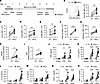 Figure 1
IFN-γ induces trained immunity in human monocytes. Enriched monocytes were left untrained (UT; white) or trained with IFN-γ (10 ng/mL; gray) for 24 hours. Cells were differentiated into MDM. (A) Schematic of training assay. (B–G) Expression of HLA-DR (B), CD14 (C), CD40 (D), CD80 (E), H3K27ac (F), or H3K4me3 (G) on unstimulated MDM on day 7 measured by flow cytometry. MFI, median fluorescence intensity. (H and I) Expression (relative to untrained) of NFKB1 (H) or IRF1 (I) in unstimulated MDM on day 7 measured by qPCR. (J–O) On day 6, MDM were stimulated with LPS (10 ng/mL) or irradiated M.tb (10 μg/mL) for 24 hours, and TNF (J), IL-6 (K), IL-1β (L), IL-10 (M), CXCL1 (N), or MIP-1α (O) was measured by ELISA. Each dot represents an individual donor, n = 6 (B–E, H, and I), n = 5 (F and G), or n = 7 (J–O), with paired data joined by a line. *P < 0.05, **P < 0.01, ***P < 0.001, ****P < 0.0001 determined using a paired t test (B–I) or a 2-way ANOVA with Šidák’s multiple-comparison test (J–O).
Activation marker expression in unstimulated IFN-γ–trained and untrained MDM was assessed on day 7 using flow cytometry. IFN-γ training increased expression of HLA-DR, CD14, CD40, and CD80 (Figure 1, B–E); did not enhance CD86 (Supplemental Figure 2C); and decreased CD83 expression (Supplemental Figure 2D). This phenotype is associated with trained immunity (1, 10, 27) and demonstrates that a single exposure of monocytes to IFN-γ can induce phenotypic changes that are maintained following MDM differentiation.
IFN-γ training increased acetylation and methylation of histone 3. As epigenetic reprogramming is essential for the induction of trained immunity (1, 2, 5, 6, 10, 28, 29), we sought to determine whether IFN-γ training induced epigenetic alterations in human monocytes and whether these were maintained after differentiation into MDM. H3K27 acetylation (H3K27ac) and H3K4 trimethylation (H3K4me3), commonly induced by training (1, 4, 6, 29), were measured using flow cytometry. After 24 hours, IFN-γ significantly increased H3K27ac (Supplemental Figure 2E) but not H3K4me3 (Supplemental Figure 2F) in monocytes. On day 7, IFN-γ training significantly enhanced H3K27ac (Figure 1F) and H3K4me3 (Figure 1G) in differentiated MDM. Collectively these data show that IFN-γ induces epigenetic reprogramming.
Training of human monocytes with IFN-γ enhanced cytokine and chemokine production from MDM in response to bacterial stimuli. To examine the functional effects of IFN-γ training, we quantified the relative mRNA expression of NF-κB and IRF1, known regulators of the cytokine response (30–33). IFN-γ training significantly enhanced MDM expression of NFKB1 (Figure 1H) and IRF1 (Figure 1I). When stimulated with LPS or M.tb, IFN-γ–trained MDM produced significantly higher concentrations of TNF (Figure 1J) and IL-6 (Figure 1K). IFN-γ–trained MDM produced more IL-1β (Figure 1L) and IL-10 (Figure 1M) in response to M.tb, but not LPS. As LPS signals through TLR4 (34) and M.tb signals through both TLR2 and TLR4 (35), we examined the effect of IFN-γ training on TLR-2 and TLR-4 expression but found no changes (Supplemental Figure 2, G and H). IFN-γ training significantly increased production of the chemokines CXCL1 and MIP-1α (Figure 1, N and O) following LPS or M.tb stimulation. No differences in viability were observed (Supplemental Figure 2I). Collectively, these findings show that training monocytes with IFN-γ enhances cytokine and chemokine production from MDM stimulated with either LPS or M.tb.
IFN-γ can drive subsequent IFN-γ production, through TBET activation (36). However, IFN-γ training did not significantly alter TBET expression or enhance IFN-γ production following stimulation (Supplemental Figure 2, J and K).
Another T cell cytokine, IL-17, failed to induce trained immunity in vitro (Supplemental Figure 2L). Furthermore, IFN-γ–trained MDM had enhanced production of IL-6 and IL-1β in response to M.tb stimulation up to day 28 after training (Supplemental Figure 2, N and O), suggesting that IFN-γ training can be maintained for up to a month in vitro.
IFN-γ training activated mTOR in human monocytes and enhanced glycolytic gene expression in MDM. Metabolic reprogramming is critical for inducing trained immunity (3–5). mTOR regulates glycolysis and is crucial for trained immunity induced by β-glucan or Bacille Calmette-Guérin (BCG) (3–5). Thus, we determined whether IFN-γ activated mTOR complex 1 (mTORC1) in monocytes by measuring the phosphorylation of S6, a marker of mTORC1 activation (37, 38). IFN-γ enhanced phospho-S6 (Figure 2, A and B), which was inhibited by rapamycin (Figure 2B), suggesting mTORC1-dependent activation. Since mTOR regulates metabolic gene transcription, we quantified the gene expression of glycolytic enzymes and ATP synthase, an enzyme intrinsic to ATP production during oxidative phosphorylation. IFN-γ training significantly increased expression of hexokinase 1 (HK1; Figure 2C) and glyceraldehyde 3-phosphate dehydrogenase (GAPDH; Figure 2D). IFN-γ training did not alter the expression of other glycolytic enzymes: glucose-6-phosphate isomerase (GPI; Supplemental Figure 3A), phosphofructokinase (PFKFB3; Figure 2E), or pyruvate kinase (PKM2; Supplemental Figure 3B). Furthermore, IFN-γ training did not affect ATP synthase (ATP5B; Figure 2F). These data suggest that training monocytes with IFN-γ reprograms gene expression of MDM metabolism toward a glycolytic state.
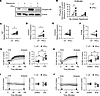 Figure 2
IFN-γ training metabolically reprograms human macrophages. (A and B) Sorted monocytes were left untreated or treated with IFN-γ (10 ng/mL; gray) for 15 minutes with or without rapamycin (50 nM). (A) Representative Western blot of phospho-S6 and β-actin density for each sample. (B) Phospho-S6 density normalized to β-actin, relative to untreated untrained control, measured by densitometry. (C–J) Enriched monocytes were left untrained (UT; white) or trained with IFN-γ (10 ng/mL; gray) for 24 hours. Cells were differentiated into MDM. (C–F) Relative expression (compared with untrained) of HK1 (C), GAPDH (D), PFKFB3 (E), or ATP5B (F) in unstimulated MDM on day 7 measured by qPCR. (G–J) On day 6, MDM metabolism was assessed using the Seahorse XFe24 analyzer. The arrows depict the time of stimulation and data analysis. (G and H) Relative (to untrained unstimulated) ECAR in response to LPS (10 ng/mL) (G) or irradiated M.tb (10 μg/mL) (H). (I and J) Relative (to untrained unstimulated) OCR in response to LPS (10 ng/mL) (I) or irradiated M.tb (10 μg/mL) (J). Each dot represents an individual donor, n = 4 (A and B), n = 6–8 (C–F), or n = 5 (G–J), with paired data joined by a line. *P < 0.05, **P < 0.01, ***P < 0.001 determined using a 2-way ANOVA with Fisher’s least significant difference (LSD) test (B and G–J) or a paired t test (C–F).
IFN-γ training significantly enhanced the glycolytic response to bacterial stimuli. Enhanced glycolytic metabolism is a hallmark of trained immunity and essential for mediating antimicrobial responses in human macrophages (3, 5, 7, 18, 39). To assess changes in MDM metabolism in response to LPS or M.tb stimulation, we performed analyses on IFN-γ–trained and untrained MDM using the Seahorse XFe24 analyzer, which measures the extracellular acidification and oxygen consumption rates (ECAR and OCR, respectively).
At baseline, IFN-γ training did not enhance ECAR (Figure 2, G and H). When stimulated with LPS or M.tb, IFN-γ–trained MDM had a significantly higher ECAR compared with untrained MDM (Figure 2, G and H). There was no significant difference in the OCR of IFN-γ–trained MDM compared with untrained MDM (Figure 2, I and J). In keeping with this, the ECAR/OCR ratio (39, 40) — calculated by division of the change in ECAR by the change in OCR — was significantly higher in IFN-γ–trained MDM in response to LPS or M.tb (Supplemental Figure 3C), which suggests that IFN-γ training preferentially enhances flux through glycolysis in response to stimulation.
IFN-γ–induced trained immunity required mTOR activation, glutaminolysis, and epigenetic modifications. Having established that MDM differentiated from IFN-γ–trained monocytes have altered metabolism and epigenetics, we sought to determine whether these adaptations are critical for IFN-γ training at the time of exposure. A timeline of the training assay with inhibitors is shown (Figure 3A). Increased production of the proinflammatory cytokine IL-6 following training is well established (4, 5, 9, 41) and was measured following stimulation to assess successful induction of training.
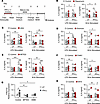 Figure 3
IFN-γ–induced trained immunity requires mTOR activation, glutaminolysis, and epigenetic modifications. (A–H) Enriched monocytes were left untrained or trained with IFN-γ (10 ng/mL) alone (white) or in the presence of the inhibitor (red) rapamycin (50 nM) (B), 2DG (1 mM) (C), etomoxir (5 μM) (D), BPTES (50 μM) (E), FHIN1 (10 μM) (F), BPTES (50 μM) or DMM (1 mM) (G), or MTA (1 mM) (H) for 24 hours. Cells were then differentiated into MDM. (B–F and H) On day 6, MDM were stimulated with LPS (10 ng/mL; left) or irradiated M.tb (10 μg/mL; right) for 24 hours, and IL-6 was measured by ELISA. (G) On day 7, H3K27ac was measured in unstimulated MDM using flow cytometry. Each dot represents an individual donor, n = 7–8 (B), n = 9–10 (C–E and H), n = 7 (F), or n = 4 (G), with paired data joined by a line. *P < 0.05, **P < 0.01, ***P < 0.001 determined using a mixed-model 2-way ANOVA with Fisher’s LSD test. (F) Data were analyzed by 2-way ANOVA; however, results were not statistically significant. #P < 0.05, paired t test comparing untrained MDM with untrained MDM treated with FHIN in response to M.tb stimulation.
Having shown that mTOR is significantly more active in monocytes following IFN-γ exposure (Figure 2, A and B), the effect of rapamycin was determined. Rapamycin did not alter IL-6 production in untrained MDM in response to LPS or M.tb (Figure 3B). IFN-γ–trained MDM produced more IL-6 in response to LPS or M.tb compared with untrained MDM; however, when monocytes were trained in the presence of rapamycin, this enhanced production was abrogated (Figure 3B), suggesting that rapamycin inhibited the induction of training.
Glycolysis is critical for inducing training with BCG, β-glucan, and oxidized low-density lipoproteins (oxLDLs) (3, 5, 7). Our data indicate that IFN-γ–trained MDM have enhanced expression of glycolytic enzymes and preferentially use glycolysis upon stimulation (Figure 2, C, D, G, and H, and Supplemental Figure 3C). Inhibition of glycolysis with 2-deoxyglucose (2DG) during monocyte training did not alter IL-6 production from IFN-γ–trained MDM in response to LPS (Figure 3C). Furthermore, IFN-γ–trained MDM produced more IL-6 in response to M.tb compared with untrained MDM in the presence or absence of 2DG (Figure 3C). These findings suggest that glycolysis is not essential for the induction of trained immunity by IFN-γ.
Fatty acid oxidation (FAO) is important for the induction of trained immunity by β-glucan and oxLDLs (42, 43). When stimulated with LPS, IFN-γ–trained MDM produced more IL-6 compared with untrained MDM (Figure 3D), and etomoxir treatment (which inhibits FAO) had no significant effect on IL-6 production from untrained or IFN-γ–trained MDM (Figure 3D). Interestingly, treating untrained monocytes with etomoxir enhanced IL-6 production from untrained MDM in response to M.tb (Figure 3D). However, etomoxir had no significant impact on IL-6 production from IFN-γ–trained MDM in response to M.tb (Figure 3D). These findings suggest that FAO is not required for the induction of trained immunity by IFN-γ but indicate that fatty acids may have a role in the induction of trained immunity.
Glutaminolysis has been shown to be essential for the induction of trained immunity by β-glucan or BCG in human monocytes and by LPS in murine alveolar macrophages (4, 5, 41). Enhanced glutaminolysis leads to increased α-ketoglutarate production, which is fed into the tricarboxylic acid (TCA) cycle. α-ketoglutarate is converted to succinate, and then to fumarate, which drives the epigenetic changes required for trained immunity (4). Treating monocytes with bis-2-(5-phenylacetamido-1,2,4-thiadiazol-2-yl)ethyl sulfide (BPTES), which inhibits glutaminolysis, had no effect on IL-6 production from untrained MDM in response to LPS or M.tb (Figure 3E). However, BPTES reduced IL-6 production from IFN-γ–trained MDM in response to LPS or M.tb (Figure 3E), resulting in concentrations similar to those from untrained MDM. These data suggest a critical role for glutaminolysis in the induction of trained immunity by IFN-γ.
Fumarate is capable of inducing trained immunity in vitro and is essential for the induction of trained immunity by β-glucan (4). We used fumarate hydratase inhibitor 1 (FHIN1), which prevents conversion of fumarate to malate, leading to fumarate accumulation, which we postulated would recapitulate the effects of IFN-γ training in untrained cells. When treated with FHIN1, untrained MDM produced significantly higher concentrations of IL-6 in response to LPS or M.tb (Figure 3F); however, FHIN1 had no effect on IL-6 production from IFN-γ–trained MDM in response to LPS or M.tb (Figure 3F). These data suggest that fumarate may already be accumulating in IFN-γ–trained cells and therefore cannot be further enhanced by FHIN1. As fumarate accumulation downstream of glutaminolysis is important for inducing epigenetic changes in β-glucan–trained cells (4), we assessed the effects of inhibiting glutaminolysis and succinate dehydrogenase, the enzyme that converts succinate to fumarate, on H3K27ac, which was increased in monocytes 24 hours after IFN-γ (Supplemental Figure 2E). BPTES and dimethyl malonate (DMM) were used to inhibit glutaminolysis and succinate dehydrogenase, respectively. IFN-γ training enhanced H3K27ac in MDM (Figure 1F and Figure 3G); however, treatment with BPTES or DMM abrogated H3K27ac (Figure 3G). Taken together, these data show that glutaminolysis is essential for the induction of trained immunity by IFN-γ and suggest a role for fumarate in driving the epigenetic changes observed.
Finally, we evaluated DNA methylation in IFN-γ–induced trained immunity, since it has been demonstrated to be essential for inducing trained immunity with other training agents (1, 4–6). As H3K4me3 expression was not increased 24 hours after IFN-γ training (Supplemental Figure 2F), we used 5′-methylthioadenosine (MTA), which inhibits DNA methylation, to determine whether other methylation marks are necessary for inducing IFN-γ training. MTA did not significantly affect IL-6 production from LPS-stimulated cells (Figure 3H). When stimulated with M.tb, IFN-γ–trained MDM produced significantly higher concentrations of IL-6, and MTA treatment significantly decreased this IL-6 production (Figure 3H). These data suggest that DNA methylation is important for IFN-γ training in monocytes.
Collectively, these findings suggest that trained immunity induced by IFN-γ is mediated by activation of mTORC1, glutaminolysis, and DNA methylation in human monocytes. Inhibition of glutaminolysis or succinate dehydrogenase abrogated H3K27ac induced by IFN-γ, implicating glutamine metabolism and fumarate accumulation in driving the epigenetic changes required for IFN-γ–induced trained immunity.
IFN-γ–trained MDM had enhanced capacity to kill M. tuberculosis. Having established that IFN-γ can induce trained immunity in human monocytes, resulting in enhanced responsiveness of MDM to stimulation with irradiated M.tb, we sought to determine the impact of IFN-γ training on mycobacterial killing. Monocytes were left untrained or were trained with IFN-γ for 24 hours. On day 7, MDM were infected with live M. tuberculosis (H37Rv; MOI 1–5) for 3 hours, then washed to remove remaining extracellular bacteria and lysed (Figure 4A) or incubated for a further 48 hours (Figure 4B). Fluorescent latex beads were used to ascertain whether IFN-γ training affects MDM phagocytosis; however, no difference in phagocytosis was observed (Supplemental Figure 4A).
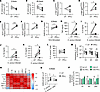 Figure 4
IFN-γ training increases the capacity of MDM to kill S. aureus and M. tuberculosis by enhancing ROS production. Enriched monocytes were left untrained (UT; white) or trained with IFN-γ (10 ng/mL; gray) for 24 hours. Cells were differentiated into MDM. On day 7, MDM were infected with M. tuberculosis (H37Rv; MOI 1–5) (A and B), stimulated with irradiated M.tb (10 μg/mL) (G), or infected with S. aureus (USA300; MOI 100:1) (H–P) for the indicated times. (A and B) Bacterial M. tuberculosis burden within MDM 3 and 48 hours after infection. (C–F) Relative expression (to untrained) of CYBA (C), CYBB (D), NCF1 (E), or NCF2 (F) in uninfected MDM on day 7 (qPCR). (G) MDM were stimulated with irradiated M.tb for 4 hours, and ROS (DHR123; relative to unstimulated MDM) was measured (flow cytometry). (H–K) TNF (H), IL-6 (I), IL-1β (J), or IL-10 (K) (ELISA) 24 hours after S. aureus infection. (L) MDM infected with CFSE-labeled S. aureus (%). (M) Intracellular bacterial S. aureus burden within MDM 1, 4, or 24 hours after gentamicin. (N) Spearman’s r correlation matrix: correlation of reduced CFU with IL-1β, TNF, IL-6, IL-10, CXCL1, or MIP-1α production. (O) MDM were infected with S. aureus alone or in the presence of NAC (10 mM) for 4 hours, and ROS was measured (flow cytometry). (P) Fold change in CFU/mL of untrained or IFN-γ–trained (stripes) MDM infected with S. aureus 1, 4, or 24 hours after gentamicin in healthy controls (HC; white) versus MDM from a patient with chronic granulomatous disease (CGD; green). Each dot represents an individual donor, n = 4 (A–G), n = 7 (H–K, M, and N), n = 5 (L), n = 6 (O), or HC n = 7, CGD n = 1 (P). Data are graphed as paired data joined by a line or the mean value ± SD. *P < 0.05, **P < 0.01, ***P < 0.001, ****P < 0.0001, paired t test (A–L) or 2-way ANOVA with Šidák’s multiple-comparison test (M), uncorrected Fisher’s LSD test (O), or Tukey’s multiple-comparison test (P).
At 3 hours after infection, there was no difference in CFU/mL between trained and untrained MDM (Figure 4A). However, IFN-γ–trained MDM had significantly decreased CFU/mL of M. tuberculosis at 48 hours after infection (Figure 4B), indicative of enhanced bacterial killing.
IFN-γ–trained MDM had enhanced gene expression of NADPH oxidase. Since ROS production plays an integral role in killing intracellular bacteria such as M.tb (44) and drives IL-1β production (45, 46), we hypothesized that IFN-γ training may increase ROS production, resulting in the enhanced bactericidal effects observed.
The gene expression of 4 different subunits of the NADPH oxidase system in unstimulated untrained or IFN-γ–trained MDM was assessed by quantitative reverse transcription PCR. There was no difference in the expression of CYBA (p22PHOX; Figure 4C); however, IFN-γ–trained MDM had significantly increased expression of CYBB (gp91PHOX; Figure 4D), NCF1 (p47PHOX; Figure 4E), and NCF2 (p67PHOX; Figure 4F), suggesting that IFN-γ training may result in enhanced ROS production.
Next, we quantified total ROS production using dihydrorhodamine-123 (DHR123). Unstimulated IFN-γ–trained MDM produced significantly less intracellular ROS compared with untrained MDM (Supplemental Figure 4B), so ROS production was calculated relative to unstimulated MDM. Following stimulation with M.tb, IFN-γ–trained MDM exhibited significantly increased ROS production compared with untrained MDM (Figure 4G). Furthermore, IFN-γ–trained MDM produced significantly more mitochondrial ROS in response to M.tb compared with untrained MDM (Supplemental Figure 4C).
IFN-γ training increased the capacity of MDM to kill MRSA, which correlated with enhanced cytokine production. Since a key feature of trained immunity is that it is nonspecific, we examined the efficacy of IFN-γ–induced trained immunity against MRSA infection. When infected with MRSA, IFN-γ–trained MDM produced significantly higher concentrations of TNF, IL-6, IL-1β, IL-10 (Figure 4, H–K), CXCL1, and MIP-1α (Supplemental Figure 4, D and E) compared with untrained MDM. IFN-γ training had no effect on phagocytosis of CFSE-labeled MRSA by MDM at 1 hour after infection. Subsequently, CFU were enumerated at specific time points after gentamicin treatment to quantify intracellular bacterial loads within MDM. IFN-γ–trained MDM had significantly reduced intracellular bacterial load compared with untrained MDM at 1, 4, and 24 hours after gentamicin treatment (Figure 4M), indicative of enhanced intracellular bacterial killing.
Correlation of enhanced cytokine production with reduced MRSA CFU was assessed by a correlation matrix. CFU data were converted into a relative decrease in CFU at 24 hours (↓ CFU) in IFN-γ–trained MDM compared with untrained MDM. All cytokine data were converted into fold change in production from IFN-γ–trained cells compared with untrained cells in response to infection with MRSA. Spearman’s correlation shows a moderate positive correlation between the decrease in intracellular bacterial burden and the fold increase in the concentration of IL-1β (r = 0.64), TNF (r = 0.50), IL-6 (r = 0.43), CXCL1 (r = 0.43), and MIP-1α (r = 0.29; Figure 4N) at 24 hours after infection in IFN-γ–trained MDM. A negative correlation existed between decreased CFU and IL-10 production (r = –0.40; Figure 4N). An extended matrix was also plotted (Supplemental Figure 5).
Enhanced ROS production in IFN-γ–trained MDM reduced MRSA bacterial loads. Since the enhanced bactericidal capacity was evident at 1 and 4 hours, we postulated that ROS production may mediate this early antimicrobial effect. We quantified intracellular ROS production at 4 hours after infection with MRSA; IFN-γ–trained MDM produced significantly more ROS compared with untrained MDM (Figure 4O).
To determine whether enhanced ROS production mechanistically mediated enhanced bacterial clearance of MRSA in IFN-γ–trained MDM, cells were infected in the presence of the ROS inhibitor N-acetyl-l-cysteine (NAC; 10 mM) or vehicle control. In the presence of NAC, IFN-γ–trained MDM produced less ROS (Figure 4O and Supplemental Figure 6A), and the enhanced MRSA killing in IFN-γ–trained MDM was abrogated (Supplemental Figure 6B). To support the evidence indicating that ROS mechanistically mediated the bactericidal effects, monocytes with a mutation in the CYBB gene (gp91PHOX), which results in an inability to produce ROS, were isolated from a patient with chronic granulomatous disease (CGD). Since the CYBB gene was significantly upregulated with IFN-γ training (Figure 4D), and since patients with CGD have significant susceptibility to S. aureus infections (47, 48), we hypothesized that IFN-γ training would have no effect on bacterial killing in MDM that cannot produce ROS. IFN-γ–trained MDM with a loss-of-function (LOF) mutation in the CYBB gene produced higher concentrations of IL-6 and TNF (Supplemental Figure 6, C and D) and lower concentrations of IL-10 (Supplemental Figure 6E) compared with the untrained control but did not produce any IL-1β in response to MRSA infection (Supplemental Figure 6F). These data indicate that IFN-γ successfully induced trained immunity in monocytes from a patient with CGD, similar to healthy controls.
Next, MDM with a LOF mutation in the CYBB gene were infected with MRSA. There was no difference in the CFU/mL between untrained and IFN-γ–trained MDM from the CDG patient at 1, 4, and 24 hours (Supplemental Figure 6G). The fold change in CFU/mL of IFN-γ–trained MDM compared with untrained MDM was plotted for the healthy control donor (HC) MDM and the MDM with a LOF mutation in the CYBB gene (Figure 4P). IFN-γ–trained MDM from HCs had significantly decreased intracellular burden compared with untrained MDM at 4 and 24 hours after infection; however, IFN-γ–trained MDM with a LOF mutation in the CYBB gene did not exhibit any enhanced capacity to kill MRSA compared with their own untrained control MDM (Figure 4P).
Taken together these data indicate that IFN-γ–trained MDM produce significantly more ROS during infection, which contributes mechanistically to enhanced bacterial killing in comparison with untrained MDM.
ATAC-sequencing of IFN-γ–trained MDM revealed increased chromatin accessibility in pathways associated with host defense. As epigenetic modifications are essential for the induction, maintenance, and effects of trained immunity, we next assessed whether epigenetic modifications in IFN-γ–trained MDM were evident in regions associated with the functional effects observed. To this end, we repurposed a dataset from O’Farrell et al. (49) where they performed ATAC-sequencing of IFN-γ–trained MDM in 3 human donors.
We performed gene ontology analysis on altered regions (opened and closed) of the genome to assess which cellular pathways were impacted (Figure 5A). There was increased chromatin accessibility in pathways associated with cellular responses to bacteria and viruses, cytokine and chemokine production, regulation of phagocytosis and ROS production, and nitric oxide biosynthesis (Figure 5A), accompanied by decreased accessibility in pathways associated with monocyte differentiation (Figure 5A). Differential binding of transcription factors in IFN-γ–trained versus untrained cells showed decreased binding of NR2F1, NR2F2, CEBPD, and CEBPB and increased binding of REL, NFKB1, NFKB2, and NRF1 (Figure 5B). Next, we examined whether the increased cell surface marker expression, cytokine and chemokine production, transcription factor expression, and cell metabolism examined in the IFN-γ–trained cells (Figures 1–4) were due to epigenetic alterations in the genes associated with these changes (Figure 5C). IFN-γ–trained MDM had increased chromatin accessibility in CD40, CD80, CD83, HLADRA, IL1B, TNF, and MIP1A (Figure 5C). Lastly, we examined the change in accessibility of genes associated with cell function (Figure 5D), metabolism (Figure 5E), and phenotype (Figure 5F). IFN-γ–trained MDM had increased accessibility at many genes associated with cell signaling and cytokine production (Figure 5D), genes associated with lipid and cholesterol metabolism (Figure 5E), and genes associated with antigen presentation, interferon signaling, and cell migration (Figure 5F). These findings indicate that epigenetic modifications mechanistically mediate the observed enhanced effector functions and bactericidal activity of IFN-γ–trained MDM.
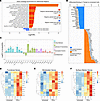 Figure 5
IFN-γ training epigenetically alters MDM. Sorted monocytes (n = 3 donors) were left untrained (UT) or trained with IFN-γ (50 ng/mL) for 24 hours. Cells were differentiated into MDM. On day 6, ATAC-sequencing was performed to determine epigenetic differences between UT and IFN-γ–trained MDM. (A) Gene ontology analysis showing selected enriched cellular pathways for regions that greatly increase in accessibility (red; log2FC > 2), regions that increase in accessibility (orange; log2FC > 0), and regions that decrease in accessibility (blue; log2FC < 0) in IFN-γ–trained cells. (B) TOBIAS plot showing the increase (orange) or decrease (blue) in transcription factor binding in IFN-γ–trained cells compared with UT cells. (C) Graph showing the log2FC in accessibility of candidate genes in IFN-γ–trained cells compared with UT cells. The genes are grouped as surface marker genes (blue), cytokine and chemokine genes (green), transcription factor genes (purple), and genes associated with cell metabolism (pink). Each point reflects one donor. (D–F) Heatmaps showing row-normalized accessibility at statistically significantly differential peak regions within candidate genes in IFN-γ–trained cells compared with UT cells grouped by functional genes (D), metabolism genes (E), and genes associated with cell surface marker expression (F). Graphs in A–C show log2 fold changes in IFN-γ–trained cells compared with UT cells. Graphs in D–F show overall accessibility at peaks of interest in both UT and IFN-γ–trained cells (see Methods).
IFN-γ training enhanced cell surface marker expression and cytokine responses from people who are genetically more susceptible to infections. To progress our findings toward clinical utility, we sought to identify subpopulations who may benefit from trained immunity in high-risk settings, such as during outbreak scenarios or before surgery to mitigate the risk of postoperative infection. The TIRAP gene encodes the signaling adaptor protein Mal, which plays roles in both TLR and IFNGR signaling (11, 50, 51). The Ser180Leu, TIRAP rs8177374 SNP mediates susceptibility to infection. The heterozygous (SL) form of the polymorphism has been associated with host resistance to infection, while the homozygous (LL) form of the polymorphism has been associated with vulnerability to infection and sepsis (11, 24, 26, 52, 53). We hypothesized that inducing trained immunity with IFN-γ in monocytes from LL homozygotes would restore antibacterial immunity to levels comparable to their protected heterozygous counterparts.
Blood donors were genotyped for TIRAP S180L; SS (wild-type; n = 11), SL (n = 8), and LL (n = 6), and training assays were performed. Expression of cell surface markers on donor MDM was determined by flow cytometry on day 7 (Figure 6, A–C, and Supplemental Figure 7, A–G). HLA-DR expression in untrained MDM was significantly reduced in LL MDM compared with SS MDM (Figure 6A). IFN-γ–trained MDM showed significantly enhanced HLA-DR and CD40 (Figure 6, A and B) and significantly reduced CD86 (Figure 6C) in all genotypes. This was maintained after MDM were stimulated with M.tb (Supplemental Figure 7, C–G).
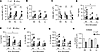 Figure 6
IFN-γ–induced trained immunity in donors with all TIRAP S180L polymorphism genotypes and enhanced killing of S. aureus. Enriched monocytes from donors with different genotypes of the TIRAP S180L polymorphism were left untrained (UT; white) or trained with IFN-γ (10 ng/mL; gray) for 24 hours. Cells were differentiated into MDM. (D–G) On day 6, MDM were stimulated with irradiated M.tb (10 μg/mL) for 24 hours. (H) On day 7, MDM were infected with S. aureus (USA300; MOI 100:1) for 4 hours, and bacterial burden was measured by CFU enumeration. (A–C) Expression of HLA-DR (A), CD40 (B), or CD86 (C) on unstimulated MDM of day 7 measured by flow cytometry grouped by TIRAP genotype. (D–G) TNF (D), IL-6 (E), IL-1β (F), or IL-10 (G) measured by ELISA grouped by genotype. (H) The intracellular bacterial burden of S. aureus within MDM was measured by CFU enumeration and grouped by TIRAP genotype graphed (compared with untrained MDM). TIRAP S180–homozygous (wild-type; SS, n = 11), S180L–heterozygous (SL, n = 8), or S180L–homozygous (LL, n = 6) individuals are plotted with each dot representing a single donor and paired data joined by a line. (H) Data show n = 3 (n = 1 SS, n = 1 SL, n = 1 LL). *P < 0.05, **P < 0.01, ***P < 0.001, ****P < 0.0001 determined using a 2-way ANOVA with Tukey’s multiple-comparison test. (A and D) Data were analyzed by 2-way ANOVA; however, results were not statistically significant. #P < 0.05, paired t test comparing SS UT MDM with LL UT MDM (A), or SS UT MDM stimulated with M.tb with LL UT MDM stimulated with M.tb (D).
MDM were stimulated with M.tb, and cytokine production was quantified by ELISA (Figure 6, D–G). LL MDM had significantly reduced production of TNF and IL-6 in response to M.tb compared with SS MDM (Figure 6, D and E). IFN-γ training significantly boosted TNF and IL-1β production in all genotypes compared with their own untrained controls (Figure 6, D and F). These data indicate that trained immunity restored cytokine production from LL MDM to levels comparable to those from protected SL MDM. Interestingly, SS MDM exhibited high IL-6 production, which did not further upregulate when monocytes were trained with IFN-γ, whereas LL MDM produced significantly less IL-6 in response to stimulation with M.tb. IFN-γ training did not significantly enhance IL-6 production from LL MDM (Figure 6E). SL MDM significantly increased IL-6 and IL-10 production in response to stimulation (Figure 6, E and G).
IFN-γ training supported immunity to MRSA in MDM with the homozygous TIRAP 180L mutation. We infected trained and untrained MDM from SS, SL, and LL donors with MRSA; IFN-γ training reduced CFU in all genotypes, with the most profound effect observed in LL MDM (Figure 6H). Collectively, these data indicate that inducing trained immunity in people who are vulnerable to infection, such as TIRAP 180L homozygotes, may enhance antibacterial immunity to pathogens of concern.
-
Methods
Sex as a biological variable. Our study involved male and female participants. For experiments using buffy coats from the Irish Blood Transfusion Service (IBTS), sex of donor is unavailable. For experiments using blood collected from healthy volunteers to assess the ability of IFN-γ to train donors with different TIRAP genotypes, 13 participants (52%) were female and 12 were male (48%). This includes 5 (45%) SS donors, 5 (62.5%) SL donors, and 3 (50%) LL donors. We found no significant differences in our results when sex was considered.
Participant recruitment. Buffy coats from healthy donors were obtained with consent from the IBTS. Whole blood was collected with written informed consent from healthy volunteers and patients from the outpatient department of St. James’s Hospital Dublin.
Monocyte in vitro training assays. Peripheral blood mononuclear cells (PBMC) were isolated from buffy coats or whole blood by density centrifugation over Lymphoprep (STEMCELL Technologies). Cells were washed twice in PBS, and residual platelets were removed by centrifugation. PBMC were resuspended in 3 mL serum-free RPMI (Gibco GlutaMAX) and layered onto 10 mL of hyperosmotic Percoll solution (GE Healthcare; 48.5% Percoll, 41.5% sterile H2O, 0.16 M NaCl) to enrich for monocytes. Cells (2 × 10⁶ cells/mL) were plated on non-treated plates (Costar) and placed in a humidified incubator at 37°C, 5% CO2 for 1 hour to allow monocyte adherence. Non-adherent cells were removed by washing twice with PBS. Cells were cultured in RPMI supplemented with 10% type AB human serum (Sigma-Aldrich, H4522). Monocytes were left untrained or trained with IFN-γ (10 ng/mL; BioLegend, 570206) for 24 hours. Cells were washed with PBS, to remove IFN-γ, and incubated for 5 days to allow monocytes to differentiate into macrophages (MDM) with medium changes on days 2 and 5. For cell stimulation assays, MDM were stimulated on day 6 with LPS (10 ng/mL; Sigma-Aldrich, L5418) or irradiated Mycobacterium tuberculosis strain H37Rv (M.tb) for 24 hours.
Preparation of irradiated M. tuberculosis. M.tb, a gift from BEI Resources (NR-49098), was passed through a 23-gauge needle 8 times, and large clumps were removed by centrifugation. The supernatant containing suspended bacteria was collected. Protein concentration was measured using the Pierce BCA Protein Assay Kit (Thermo Fisher Scientific, 23225), following the manufacturer’s instructions.
Infection of MDM. M. tuberculosis H37Rv (ATCC, 27294) was propagated to log phase in Middlebrook 7H9 medium supplemented with ADC (BD, 211887). MDM were infected as previously described (80).
S. aureus (LAC USA300) was cultivated from frozen stocks, streaked onto tryptic soy agar (TSA) plates, and incubated overnight at 37°C. Bacterial colonies were suspended in PBS and adjusted to an optical density (OD) of 1 corresponding to 1 × 10⁹ CFU/mL. MDM were infected with S. aureus (MOI 100:1) and incubated for 1 hour. MDM were washed with PBS to remove extracellular bacteria, treated with gentamicin (100 μg/mL; Sigma-Aldrich, G1397), and incubated for indicated times. Cells were lysed with 0.1% Triton X-100 (Sigma-Aldrich, X100), lysates were serially diluted, plated on TSA plates, and incubated overnight, and CFU were counted after 24 hours.
Crystal violet assay for cellular density and viability. Cell supernatants were removed, and cells were fixed with 2% paraformaldehyde for 20 minutes. After 2 PBS washes, 0.1% crystal violet (CV; Sigma-Aldrich) was added, and plates were incubated for 30 minutes at room temperature, washed with PBS, and air-dried. CV was dissolved with 0.1% Triton X-100, and absorbance was measured at 600 nm. Cell viability was assessed based on OD, with values used to estimate relative cell density. Viability was expressed as fold change relative to control (untrained, unstimulated), calculated by division of each sample’s OD by the control.
Flow cytometry. MDM were placed in ice-cold PBS and incubated at 4°C on ice for 30 minutes. Cells were removed by gentle scraping, Fc-blocked with Human TruStain FcX (BioLegend, 422302), and stained with Zombie NIR viability dye (BioLegend, 423106) and fluorochrome-conjugated antibodies specific for CD14 (AF488; clone HCD14; BioLegend, 325610), CD68 (PE; clone Y1/82A; BioLegend, 333808), CD83 (PerCP-Cy5.5; clone HB15e; BioLegend, 305320), CD80 (PE-Cy7; clone 2D10; BioLegend, 305218), HLA-DR (APC; clone L243; BioLegend, 307610), CD86 (BV421; clone IT2.2; BioLegend, 305426), CD40 (BV510; clone 5C3; BioLegend 334330), TLR2 (APC; clone TL2.1; BioLegend, 309720), or TLR4 (APC; clone HTA125; BioLegend, 312816). If surface staining only, cells were fixed with 2% paraformaldehyde. If staining intranuclearly for H3K27ac (AF647; clone EP16602; Abcam, ab245912) or H3K4me3 (PE; clone EPR20551-225; Abcam, ab237342), the FOXP3 Staining Buffer Set (eBioscience, 00-5523-00) was used following the manufacturer’s instructions. Samples were acquired on a BD FACSCanto II or BD LSRFortessa.
For ROS detection, MDM were loaded with 2.5 μg/mL dihydrorhodamine-123 (DHR123; Invitrogen, 11510346) (M.tb only) and 5 μg/mL cytochalasin B (Sigma-Aldrich, C2743) for 10 minutes at 37°C. Cells were stimulated with irradiated M. tuberculosis (10 μg/mL) or infected with S. aureus (MOI 100:1) for 4 hours. Cells were washed with PBS and fixed in 2% paraformaldehyde. To assess mitochondrial ROS, cells were stimulated with irradiated M. tuberculosis (10–20 μg/mL) for 6 hours. Cells were stained with 2.5 μM MitoSOX Red (Invitrogen, M36008) for 20 minutes at 37°C in RPMI. Cells were washed with PBS. All ROS assays were immediately analyzed on a BD FACSCanto II or Cytek Northern Lights.
CFSE-labeled S. aureus was used to determine bacterial uptake by MDM. S. aureus (1 × 10⁹ CFU) was labeled with 5 μM CFSE (Thermo Fisher Scientific, C34554) by incubation on a rotator at 37°C for 30 minutes. Labeled bacteria were washed 3 times with PBS and resuspended in RPMI supplemented with 10% FBS (Sigma-Aldrich). MDM were infected with CFSE-labeled S. aureus (MOI 100:1) for 1 hour at 37°C. After washing with PBS, cells were detached as above, fixed with 2% paraformaldehyde, and acquired on a BD FACSCanto II. Bacterial uptake was measured as the frequency of CFSE+ MDM, and bacterial load was quantified by median fluorescence intensity. Macrophage phagocytosis was measured using Latex Beads (Cambridge Bioscience, CAY500290; 1:400 dilution) for 50 minutes at 37°C. Cells were then washed, fixed, and acquired on the LSRFortessa or Northern Lights.
Cell surface marker expression, ROS production, and phagocytosis were measured using median fluorescence intensity values. Unstained cells and fluorescence minus one controls were used to normalize for background staining and to set gates. Data were analyzed using FlowJo software v10.10 (Becton Dickinson).
Cytokine measurement. The concentrations of IL-1β (BioLegend, 437016), IL-10 (BioLegend, 430604), IL-6 (BioLegend, 430516), IFN-γ (BioLegend, 430116), TNF (Invitrogen), MIP-1α (R&D Systems, DY270), and CXCL1 (R&D Systems, DY275) were determined by ELISA following each manufacturer’s instructions. A Human Luminex Discovery Kit (Bio-Techne, LXSAHM-18) was designed to assess analytes in S. aureus–infected supernatants: TNF, IL-6, IL-1β, IL-10, GM-CSF, G-CSF, IL-1α, IL-1Ra, IL-23, CXCL10, MCP-1, MIP-1α, MIP-1β, CXCL1, CXCL2, CXCL9, CXCL10, and CCL1. The assay was carried out per the manufacturer’s protocol and analyzed on a Luminex MAGPIX System.
qPCR. RNA was extracted (RNeasy Mini Kit, QIAGEN, 74136) following the manufacturer’s instructions. RNA content and quality were quantified using a NanoDrop spectrophotometer (Thermo Fisher Scientific), and RNA was reverse-transcribed using SensiFast Reverse Transcription Kit (Meridian Biosciences, BIO-65054). Catalogued TaqMan (Thermo Fisher Scientific) predesigned primer probes were used and duplexed with 18S as an endogenous control (Hs03003631_g1: VIC). The following probes were used (TaqMan: FAM): ATP5B (Hs00969569_m1), CYBA (Hs00609145_m1), CYBB (Hs00166163_m1), GAPDH (Hs02786624_g1), GPI (Hs00976715_m1), HK1 (Hs00175976_m1), IRF1 (Hs00971965_m1), NCF1 (Hs00417167_m1), NCF2 (Hs01084940_m1), NFKB1 (Hs00765730_m1), PFKFB3 (Hs00998698_m1), PKM2 (Hs00761782_s1), and TBX21 (Hs00894392_m1). qPCR was performed using SensiFast Probe Hi-ROX Kit (Meridian Biosciences, BIO-82005) on a QuantStudio 5 Real-Time qPCR System (Applied Biosystems). Relative quantitative data were obtained and analyzed using the 2–ΔΔCt method. Gene expression was calculated relative to untrained MDM sample.
Immunoblotting for phospho-S6. Monocytes were magnetically isolated from PBMC using the EasySep Human CD14 Positive Selection Kit (STEMCELL Technologies, 17858) according to the manufacturer’s instructions. Monocytes (1 × 10⁶ cells/mL) were treated with IFN-γ (10 ng/mL) for 15 minutes alone or with rapamycin (50 nM; Sigma-Aldrich, R8781) and lysed with 1× Laemmli buffer (containing 20% β-mercaptoethanol). Lysates were then analyzed as previously described (80) and detected for phospho-S6 (Cell Signaling Technology, 2211; 1:1,000).
Metabolic assays using the Seahorse XFe analyzer. MDM extracellular flux analysis was performed using the Seahorse XFe24 Analyzer (Agilent). MDM (1 x 10⁵) were seeded into wells on a Seahorse plate. The next day, 10× concentrations of LPS (10 ng/mL; Sigma-Aldrich, L5418) or irradiated M.tb (10 μg/mL) or medium (unstimulated group; sham injection) were loaded into the ports on the cartridge. The ECAR and OCR were measured every 9 minutes to establish baseline rates. The cells were stimulated and monitored in real time. Medium, LPS, or irradiated M.tb was injected into assigned wells at approximately 18 minutes. Analysis was carried out using Wave Software (Agilent), and differences in cell number were normalized to CV values. ECAR and OCR readings were calculated relative to the control (untrained unstimulated) group.
Metabolic inhibitor analysis. Enriched monocytes were pretreated for 1 hour with rapamycin (50 nM; Sigma-Aldrich, R8781), 2DG (1 mM; Sigma-Aldrich, D6134), etomoxir (5 μM; Sigma-Aldrich, 236020), BPTES (50 μM; Sigma-Aldrich, SML0601), fumarate hydratase inhibitor 1 (10 μM; MedChemExpress, HY-100004), MTA (1 mM; Sigma-Aldrich, D5011), or dimethyl malonate (1 mM; Sigma-Aldrich, 136441). After inhibitor treatment, cells were stimulated with IFN-γ (10 ng/mL; BioLegend, 570206) and incubated for 24 hours. Cells were washed with warm PBS and cultured for 5 days. On day 6, MDM were stimulated with LPS (10 ng/mL; Sigma-Aldrich, L5418) or M.tb (10 μg/mL) for 24 hours. Supernatants were collected and stored at –20°C for quantification of IL-6.
ATAC-sequencing. ATAC-sequencing analysis was performed on a dataset from O’Farrell et al. (49). Human immune cells from 3 healthy anonymized human donors (ages 25, 30, and 60, all female) were collected from blood apheresis product by the Human Immunology Core at the Perelman School of Medicine at the University of Pennsylvania. Monocytes were isolated by negative selection using the RosetteSep (STEMCELL Technologies, 1506) kit and seeded at a density of 800,000 cells/mL in Cellvis 12-well glass plates. Monocytes were left untrained or trained with IFN-γ (50 ng/mL) for 24 hours. After 24 hours, wells were washed twice with PBS and cultured for an additional 5 days. As O’Farrell et al. used 50 ng/mL of IFN-γ to induce training, we assessed this higher training dose (50 ng/mL) of IFN-γ and found significantly enhanced IL-6 and IL-1β in response to M.tb (Supplemental Figure 8, A and B).
On day 6, we performed a modified form of the OMNI-ATAC sequencing protocol described in ref. 81 on untrained and IFN-γ–trained cells from 3 donors, collecting 100,000 cells per technical duplicate. Cells were lysed (10% NP-40, 10% Tween 20, and 1% digitonin) for 3 minutes at 4°C, then transposed with Tn5 (a gift from Kavitha Sarma, Wistar Institute, Philadelphia, Pennsylvania, USA) for 30 minutes at 37°C. Transposed genomic DNA was isolated using a Zymo DNA Clean and Concentrator kit and amplified using custom primers (originally designed by Greenleaf Lab, Stanford University, Stanford, California, USA) for 13 PCR cycles. We then performed double-sided purification and size selection with AMPure XP magnetic beads (Beckman Coulter) and confirmed final concentration with Agilent Bioanalyzer High Sensitivity DNA chips. Final libraries were sequenced with a P4 XLEAP 100-cycle kit on an Illumina NextSeq 2000, at depth of approximately 50 million paired-end reads per sample.
We first used Bowtie 2 (http://bowtie-bio.sourceforge.net/bowtie2/index.shtml) to align all sequencing reads to hg38, then removed PCR duplicates with Picard’s MarkDuplicates (http://broadinstitute.github.io/picard). We used the ATACseqQC package to clean BAM files and perform a Tn5 insertion shift.
We used MACS2’s (82) callpeak function to identify peaks, setting an FDR cutoff of 0.05, and inputting technical-replicate-merged samples filtered to a fragment size less than 300 bp to improve accuracy. We generated 1 non-redundant peak list, filtered to only include peaks present in at least 2 samples and not present on the ENCODE list (83). Finally, we used the summarizeOverlaps function from the GenomicAlignments package to generate a full counts matrix for all samples (unmerged and unfiltered by fragment size) across these peaks.
With this counts matrix, we identified differentially accessible regions of chromatin for each donor using DESeq2 (84), after setting a minimum threshold of 20 reads per peak. We selected regions deemed statistically significantly differentially accessible (Padj < 0.05) from untrained cells in at least 2 of the 3 sequenced donors. We then grouped these selected regions into 4 categories — regions that opened with IFN-γ training (with log2 fold change [log2FC] > 0 in trained cells compared with untrained cells), regions that opened greatly with IFN-γ training (log2FC > 2), regions that closed with IFN-γ training (log2FC < 0), and regions that closed greatly with IFN-γ training (log2FC < –2). We performed gene ontology enrichment analysis compared against the full peak list for each of these 4 groups using GREAT (85). Selected statistically significant terms (FDR < 0.05) from this analysis can be found in Figure 5A; the full output tables can be found in the Supplemental Table 1.
For selected genes in Figure 5C, we identified all peaks present within the gene body of each gene of interest and calculated the log2FC in accessibility between trained and untrained cells at each peak for each donor using DESeq2. We then averaged the log2FC in accessibility across peaks within each gene of interest for each donor.
We used TOBIAS (86) to identify putative differentially bound transcription factors within accessible chromatin of trained and untrained cells. We first used the function ATACorrect to identify regions of protection from Tn5 cuts (suggestive of actively bound protein at that location), and ScoreBigWig to calculate footprint scores. Differentially enriched motifs at these footprints were identified using BINDetect. Highlighted differential factors were all those above the 95% quantile of –log10(P value) and/or above the 95% quantile and below the 5% quantile of differential binding scores. We further filtered this list to factors highlighted in at least 2 of our 3 donors and removed any redundant factors. In Figure 5B, we plot the mean differential binding score across the 3 donors for each factor in the filtered list.
For heatmaps in Figure 5, D–F, we normalized counts matrices by read depth calculating the counts per million for each peak, then merged technical replicates. For each gene of interest, we filtered to the highly confident differential peaks (Padj < 0.05 in at least 2 of 3 donors, as discussed above) within the gene body. We averaged the counts per million across peaks for each gene, for each donor, and plotted as a row-scaled heatmap.
Genotyping. DNA isolation was performed on saliva or blood from consenting donors (DNeasy Blood and Tissue Kit, QIAGEN, 69504) following the manufacturer’s instructions. DNA concentration was determined using a NanoDrop spectrophotometer. Genotyping of the TIRAP 180L polymorphism was performed using a TaqPath ProAmp Master Mix (Applied Biosystems, A30865), and the TaqMan custom human SNP (SNP ID: rs8177374) genotyping assay (Applied Biosystems, 4362691) was performed following the manufacturer’s instructions. A non-template control (i.e., nuclease-free H2O) and positive control (i.e., a DNA sample of known genotype) were assayed in parallel. Training assays were performed using fresh venous blood from 25 genotyped donors (52% female, 48% male; median age 40) who provided informed consent (Table 1).
Statistics. Statistical analyses were performed using GraphPad Prism 10.4.2 software. Statistically significant differences between 2 normally distributed groups were determined using Student’s paired t tests with 2-tailed P values. Differences between 3 or more groups were determined by 1-way ANOVA with Tukey’s multiple-comparison test or with an uncorrected Fisher’s LSD test. Differences between 2 or more groups containing more than 1 variable were determined by 2-way ANOVA with Šidák’s multiple-comparison tests. P values of ≤ 0.05 were considered statistically significant and are denoted by asterisks. Where datasets containing 2 or more groups containing more than 1 variable were reanalyzed independently using paired t tests, P values of ≤ 0.05 are denoted with a hash mark. Details of specific tests performed can be found in the figure legends.
Study approval. The study was approved by the Tallaght University Hospital and St. James’s Hospital Joint Research Ethics Committee and by the Faculty of Health Science Research Ethics Committee, Trinity College Dublin. Whole blood was collected with written informed consent.
Data availability. Supporting data, including values for all data points shown in graphs, are available in the Supporting Data Values file.


