
Issue published March 16, 2026 Previous issue

- Volume 136, Issue 6
Go to section:
On the cover: Vascular smooth muscle cell–derived KIF13B inhibits proinflammatory responses to protect against atherosclerosis
Miao et al. generated vascular smooth muscle cell–specific Kif13b-KO (Kif13bVSMCKO) mice and demonstrated that KIF13B is essential for the stabilization of atherosclerotic plaques. The cover image features Masson’s trichrome staining of atherosclerotic plaque with a thin fibrous cap from a Kif13bVSMCKO mouse injected with AAV8-PCSK9-D377Y and fed a Western diet for 20 weeks.
-
Letter to the Editor
×
Abstract
Authors
Seong-Keun Yoo, Jinha Hwang, Jung Yong Hong, Seung Tae Kim, Se Hoon Park, Joon Oh Park, Jeeyun Lee

-
Review Series
×
Abstract
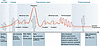
Nearly two-thirds of patients with Alzheimer disease (AD) are women, most of them postmenopausal. While sex differences in AD have historically been attributed to women’s relative longevity, accumulating evidence challenges that view, pointing to female sex–specific biological underpinnings. In particular, neuroendocrine aging and the hormonal shifts that accompany the menopause transition have emerged as potentially modifiable AD risk factors in women. Yet, key neuroendocrine aging-related factors linked to increased AD and dementia risk, such as early menopause, premenopausal bilateral oophorectomy, frequent vasomotor symptoms, and midlife cognitive and mood disturbances, remain underinvestigated. Additionally, although a growing evidence base highlights the potential of menopause hormone therapy for AD prevention, particularly in women undergoing oophorectomy, progress remains hindered by a lack of clinical trials and biomarker-driven studies. This Review calls for a paradigm shift: from viewing AD risk as a byproduct of generalized aging to validating midlife neuroendocrine aging as a distinct window of vulnerability, and an opportunity for prevention. By 2050, over 1.2 billion women worldwide will be in or approaching menopause. The stakes are global, and the opportunity is urgent: to redefine AD prevention through sex-specific, time-sensitive, and biologically informed strategies that translate science into scalable, actionable care.
Authors
Lisa Mosconi
×Abstract
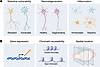
Neurodegenerative diseases are characterized by protein misfolding and the selective vulnerability of specific neuronal subtypes. This selective vulnerability presents a paradox; most neurodegenerative disease genes are expressed broadly throughout the brain, and some ubiquitously, but only certain types of neurons are lost while others are resistant. The molecular basis for selective neuronal vulnerability has remained a mystery, but recent genomics technological innovations are starting to provide mechanistic insights. Here, we review how single-cell genomics techniques — single-cell transcriptomics, single-cell epigenomics, and spatial transcriptomics — advance our molecular understanding of selective vulnerability and neurodegeneration across Alzheimer disease, Parkinson disease, amyotrophic lateral sclerosis, frontotemporal dementia, and Huntington disease. Together, these approaches reveal the cell types affected in disease, define disease-associated molecular states, nominate candidate determinants of vulnerability and degeneration, and situate degenerating neurons within their local tissue context. Continued development and application of these techniques, including single-cell perturbation screens, will expand descriptive atlases of relevant cell types in health and disease and identify causal mechanisms, revealing the molecular basis of vulnerability and degeneration and informing therapeutic development.
Authors
Olivia Gautier, Thao P. Nguyen, Aaron D. Gitler
×Abstract
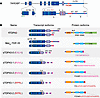
Amyotrophic lateral sclerosis (ALS) and frontotemporal dementia (FTD) are progressive neurodegenerative diseases characterized by the nuclear clearance and cytoplasmic aggregation of transactive response DNA/RNA-binding protein of 43 kDa (TDP43). Alternative splicing of TARDBP, the gene encoding TDP43, leads to a surprising diversity of RNA and protein isoforms with unique functions and potential implications for disease pathogenesis. Here, we review the production, properties, and functional consequences of alternative splicing in the development of ALS and FTD, focusing primarily on TDP43 due to its integral connection with the pathogenesis of sporadic as well as familial forms of these diseases. We synthesize current evidence on the biology of alternative TARDBP splicing, highlight key questions regarding its role in TDP43 proteinopathies such as ALS and FTD, and touch on the larger phenomenon of alternative splicing and its relationship to disease.
Authors
Morgan R. Miller, Megan Dykstra, Sami Barmada
-
Commentaries
×
Abstract
The TMPRSS2:ERG gene fusion is a truncal oncogenic event in a large subset of prostate cancers, yet its clinical relevance has remained unclear. In this issue of the JCI, Köcher et al. have demonstrated that ERG overexpression in human prostate cancer cells rewired DNA double-strand break repair toward a poly(ADP-ribose) polymerase 1–dependent (PARP1-dependent) alternative end-joining pathway without disrupting canonical repair. This repair bias created a conditional dependency on PARP1 that was exposed by radiotherapy, rendering ERG-positive tumors selectively sensitive to PARP inhibition–mediated radiosensitization. The tumor-selective cytotoxic effect of combined PARP1 inhibition and irradiation was corroborated in human-derived prostate cancer organoids. These findings establish ERG as a predictive biomarker for precision radiotherapy and highlight a tumor-selective strategy to enhance radiotherapeutic efficacy in prostate cancer.
Authors
Xiaoju Wang, Arul M. Chinnaiyan
×Abstract
For over a decade, sepsis phenotyping has identified hyperinflammatory and hypoinflammatory subphenotypes using host biomarkers and clinical variables, without factoring in contributions from infectious insults across patients. In this issue, Chanderraj and colleagues challenge this host-centric paradigm by demonstrating that pathogen characteristics independently contribute to sepsis subphenotypes. They reported that Enterobacterales infections, particularly Escherichia coli, strongly associated with hyperinflammatory subphenotypes, independent of illness severity. Bacterial burden, anatomic barrier breach, and circulating pathogen-associated molecular patterns influence phenotypic classification, with implications extending to culture-negative sepsis. Animal models supported causality, while reanalysis of an observational cohort and a clinical trial revealed that lactate clearance’s prognostic value and therapeutic effects of endotoxin removal with polymyxin B hemoadsorption vary by subphenotype and pathogen. These findings lay groundwork for integrative host-pathogen phenotyping; for precision medicine in critical illness, we must know not only who is sick, but what made them sick, and how the two interact.
Authors
Georgios D. Kitsios, Rebecca M. Baron
×Abstract
Mismatch repair (MMR) deficiency is classically associated with microsatellite instability, a high tumor mutational burden (TMB), and sensitivity to immune checkpoint blockade in cancer. In this issue of the JCI, Puigdelloses Vallcorba et al. reported that this paradigm does not hold true in glioblastoma (GBM). Using genetically engineered mouse models, the authors demonstrated that loss of core MMR genes was insufficient to induce hypermutation or improve survival rates with PD-1 blockade. Instead, mouse models of germline MMR deficiency accelerated malignant progression by promoting the immune milieu toward a myeloid cell-dominant and T cell–suppressed tumor microenvironment. Importantly, the imidazotetrazine agent N3-(2-fluoroethyl) imidazotetrazine (KL-50) bypassed MMR dependence and overcame temozolomide resistance. These findings suggest MMR deficiency in GBM as a driver of immune suppression rather than tumor immunogenicity and carry important implications for therapy selection.
Authors
Andrew Li, Thomas K. Sears, Craig M. Horbinski
×Abstract
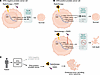
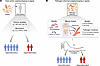
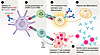
Coronaviruses, both known and yet to emerge, pose persistent zoonotic and pandemic threats. While current parenteral COVID-19 mRNA vaccines effectively mitigate severe disease caused by SARS-CoV-2, they primarily elicit systemic immunity restricted to specific variants within clade 1b of the sarbecovirus subgenus and provide limited mucosal protection. Addressing these shortcomings, Cheang et al. developed a DC-targeting intranasal booster vaccine that induces robust and durable mucosal and systemic immunity across sarbecovirus clades 1a and 1b. This study highlights a promising strategy for pan-sarbecovirus vaccines by leveraging mucosal immune induction to prevent viral transmission and enhance pandemic preparedness.
Authors
Charlie Fricke, Stanley Perlman
-
Research Letter
×
Abstract
Authors
Johnathan R. Kent, Keene L. Abbott, Rachel Nordgren, Amy Deik, Nupur K. Das, Millenia Waite, Tenzin Kunchok, Anna Shevzov-Zebrun, Nathaniel Christiansen, Amir Sadek, Darren S. Bryan, Mark K. Ferguson, Jessica S. Donington, Alexander Muir, Yatrik M. Shah, Clary B. Clish, Matthew G. Vander Heiden, Maria Lucia L. Madariaga, Peggy P. Hsu

-
Research Articles
×
Abstract
Atypical dopamine transporter (DAT) deficiency syndrome (DTDS) arises from genetic disruption of DAT function and is characterized by early-onset parkinsonism alongside comorbid psychiatric symptoms. However, the underlying pathobiological processes are largely unknown. Here, we present a mouse model of atypical DTDS based on the patient-derived compound heterozygote genotype, DAT-I312F/D421N+/+. DAT-I312F/D421N+/+ mice exhibited markedly impaired DAT function, leading to widespread changes in dopamine homeostasis, including elevated extracellular dopamine levels, reduced tyrosine hydroxylase and dopamine D1/D2 receptor expression, and decreased evoked dopamine release, mechanistically linked to enhanced tonic D2 autoreceptor inhibition. Fiber photometry measurements revealed disrupted fast striatal dopamine release dynamics, while confocal imaging showed reduced striatal dopaminergic axon fiber density. These neurochemical changes were accompanied by a psychomotor phenotype characterized by hyperlocomotion, enhanced exploration, and pronounced clasping. Both amphetamine and anticholinergic treatment ameliorated the aberrant hyperactivity. Notably, amphetamine-induced dopamine release was profoundly blunted in ventral striatum but largely preserved in dorsal striatum, implicating region-specific dopamine release dynamics as a determinant of divergent behavioral and pharmacological responses. Summarized, our findings uncover multiscale dopamine dysfunction that links presynaptic DAT impairment to synaptic and circuit-level disruptions, offering insight into atypical DTDS and the co-occurrence of movement and psychiatric features.
Authors
Freja Herborg, Lisa K. Konrad, Søren H. Jørgensen, Jamila H. Lilja, Benoît Delignat-Lavaud, Leonie P. Posselt, Ciara F. Pugh, Sofie A. Bach, Cecilia F. Ratner, Nora Awadallah, Jose A. Pino, Frida Berlin, Aske L. Ejdrup, Mikkel V. Olesen, Mattias Rickhag, Birgitte Holst, Susana Aznar, Felix P. Mayer, David Woldbye, Gonzalo Torres, Louis-Eric Trudeau, Ulrik Gether
×Abstract
Human genetic studies have repeatedly associated ADAMTS7 with atherosclerotic cardiovascular disease. Subsequent investigations in mice demonstrated that ADAMTS7 is proatherogenic and induced in response to vascular injury. However, the cell-specific mechanisms governing ADAMTS7 proatherogenicity remain unclear. To determine which vascular cell types express ADAMTS7, we interrogated single-cell RNA-seq of human carotid atherosclerosis and found ADAMTS7 expression in smooth muscle cells (SMCs), endothelial cells (ECs), and fibroblasts. We subsequently created SMC- and EC-specific Adamts7 conditional KO and transgenic mice. Conditional KO of Adamts7 in either cell type did not reduce atherosclerosis, whereas transgenic induction in either cell type increased atherosclerosis. In SMC transgenic mice, this increase coincides with an expansion of lipid-laden SMC foam cells and a decrease in fibrous cap formation. RNA-seq of Adamts7-overexpressing SMCs revealed an upregulation of lipid genes typically assigned to macrophages. Mechanistically, ADAMTS7 increases SMC oxidized LDL uptake through CD36, whose expression is upregulated by PU.1. Assay for transposase-accessible chromatin using sequencing (ATAC-seq) and motif analysis revealed increased chromatin accessibility at AP-1–enriched regions, consistent with AP-1–dependent remodeling of PU.1-regulated lipid-handling loci. In summary, ADAMTS7 promotes atherosclerosis by driving SMC foam cell formation through an AP-1/PU.1/CD36 regulatory axis.
Authors
Allen Chung, Lauren E. Fries, Hyun-Kyung Chang, Huize Pan, Alexander C. Bashore, Karissa Shuck, Caio V. Matias, Juliana Gomez Pardo, Jordan S. Kesner, Hanying Yan, Mingyao Li, Robert C. Bauer
×Abstract
Despite the success of antiretroviral therapy in controlling HIV replication, latent viral reservoirs persist, presenting a major barrier to a cure. Current treatment approaches that aim to reactivate latent virus and eliminate infected cells, termed “shock and kill,” hold promise but have yet to demonstrate meaningful reservoir reduction in vivo. In this study, we explored combining ciapavir, a Smac mimetic latency-reversing agent, with adeno-associated virus–delivered (AAV-delivered) eCD4-Ig to treat antiretroviral therapy–suppressed, SHIV-infected rhesus macaques. We could demonstrate that a Smac mimetic can induce modest reactivation of the latent SHIV reservoir, as evidenced by transient increases in plasma viremia. However, while AAV-expressed eCD4-Ig conferred partial protection against intrarectal SHIV challenge in uninfected animals, neither eCD4-Ig nor ciapavir reduced the viral reservoir in SHIV-infected rhesus macaques, as determined by total SHIV DNA and a 5-target intact provirus detection assay. Animals treated with the combination showed no significant differences in viral rebound kinetics post–analytical treatment interruption compared with controls. Additionally, repeated ciapavir dosing resulted in adverse effects in some animals, suggesting potential toxicity with repeat administration. These findings highlight the challenges in reducing viral reservoirs using this shock-and-kill approach, particularly in SHIV-infected models, and suggest that further optimization of both latency-reversing agent and immune-mediated clearance strategies is required.
Authors
Lars Pache, John K. Bui, Lindsay M. Klouser, Christine M. Fennessey, Alexander C. Noyola, Teresa Einhaus, Haiying Zhu, Laurence Stensland, Isai Leguizamo, Abubakarr A. Koroma, Peter Teriete, W.L. William Chang, Ollivier Hyrien, Natasha N. Duggan, Dominik Heimann, Ailyn C. Pérez-Osorio, Katharine J. Bar, Nicholas D.P. Cosford, Brandon F. Keele, Dennis J. Hartigan-O’Connor, Michael Farzan, Matthew R. Gardner, Keith R. Jerome, Sumit K. Chanda, Hans-Peter Kiem, Christopher W. Peterson
×Abstract
BACKGROUND Gut microbes and their metabolites contribute to the host circulating metabolome and exhibit diurnal variation influenced by sleep-wake cycles and meal timing. Sleep deprivation alters the rhythmic circulating metabolome, but its impact on microbial metabolites remains unclear. We tested whether 24-hour circulating metabolite profiles, including those of microbial origin, differ under normal (habitual) versus short-term restricted sleep.METHODS In a randomized crossover design, 9 healthy adults completed 2 in-lab 24-hour blood sampling sessions (q120): one following 3 nights of normal sleep (8.5 hours/night), the other following 3 nights of sleep restriction (4.5 hours/night). Meal timing and caloric intake were held constant. Serum metabolites were characterized using untargeted reverse-phase liquid chromatography–mass spectrometry and rhythmicity was assessed using empirical JTK_CYCLE analysis.RESULTS We identified 90 metabolites, including 14 of microbial origin or derived from host metabolism of microbial products, e.g., butyrate and tryptophan derivatives. Sleep restriction significantly altered serum metabolite composition compared with normal sleep. While many compounds maintained rhythmicity across conditions, sleep restriction disrupted rhythms of several key compounds, including microbe-derived metabolites. Notably, butyrate and indole-3–propionic acid lost rhythmicity, whereas new rhythms emerged in the tryptophan catabolite, kynurenine, and lipid metabolism intermediates.CONCLUSION We provide evidence that microbial metabolites are detectable in human blood and exhibit sleep-dependent rhythmicity. Sleep restriction alters diurnal circulating microbial and host-derived metabolite rhythms even under constant meal timing, composition, and calories. These findings support links between host sleep patterns and gut microbial metabolism and suggest microbial metabolites as potential biomarkers or mediators of sleep loss–associated health risks.TRIAL REGISTRATION NCT00989976.FUNDING NIH/NCRR KL2RR025000; R56DK102872-01A1, P30DK020595; P30DK042086; K01DK111785; F31DK122714; DOD W81XWH-07-2-0071.
Authors
Vanessa A. Leone, Katya Frazier, Manpreet Kaur, Evan A. Chrisler, Ashley M. Sidebottom, Ethan Tai, ViLinh Tran, Shuzhao Li, Eugene B. Chang, Dean P. Jones, Eve Van Cauter, Erin C. Hanlon
×Abstract
NSAIDs are the most widely used medications for the management of chronic pain; however, they are associated with numerous gastrointestinal (GI) adverse events. Although many mechanisms have been suggested, NSAID-induced enteropathy is thought to be primarily due to inhibition of both COX-1 and -2, which results in suppression of prostaglandin synthesis. Yet surprisingly, we found that concomitant postnatal deletion of Cox-1 and -2 over 10 months failed to cause intestinal injury in mice unless they were treated with naproxen or its structural analog, phenylpropionic acid, which is not a COX inhibitor. Cox double-knockout mice exhibited a distinct gut microbiome composition, and cohousing them with controls rescued their dysbiosis and delayed the onset of NSAID-induced GI bleeding. In both the UK Biobank and All of Us human cohorts, coadministration of antibiotics with NSAIDs was associated with an increased frequency of GI bleeding. These results showed that prostaglandin suppression played a trivial role in NSAID-induced enteropathy. However, Cox deletion caused dysbiosis of the gut microbiome, which amplified the enteropathic response to NSAIDs.
Authors
Kayla Barekat, Soumita Ghosh, Christin Herrmann, Karl Keat, Charles-Antoine Assenmacher, Ceylan Tanes, Naomi Wilson, Ronan Lordan, Antonijo Mrčela, Lubica Rauova, Arjun Sengupta, Ujjalkumar Subhash Das, Robin Joshi, Elliot Friedman, Marylyn D. Ritchie, Kyle Bittinger, Aalim Weljie, Ken Cadwell, Frederic D. Bushman, Gary D. Wu, Garret A. FitzGerald, Emanuela Ricciotti
×Abstract
Repetitive injuries are an important trigger of progressive fibrosis. To study if repetitive injuries induce an accelerated profibrotic process, also called “fibrosis-memory,” we established an experimental system with two consecutive, clearly separated insults in a model of renal fibrosis with reversible and irreversible unilateral ureteral obstruction. We found that a preceding fibrotic event of one kidney markedly enhanced subsequent development of fibrosis in the contralateral kidney. Aggravation of fibrosis during the second insult was dependent on memory CD4+ T cells. T cell depletion abrogated the fibrosis-memory effect, while adoptive transfer of memory T cells from fibrotic mice enhanced fibrosis in the recipients. Moreover, IL-3 production by memory CD4+ T cells was essential for aggravation of fibrosis in memory situations. In patients with systemic sclerosis, IL-3 expression by T cells was markedly increased, especially after a long disease duration accompanied by involvement of internal organs. In summary, our data identify IL-3–mediated fibrosis-memory as an important driver of progressive fibrosis.
Authors
Simone Buchtler, Antje Frühauf, Sophia Neumayer, Kathrin Schmidbauer, Yvonne Talke, Frederike Winter-Köhler, Saidou Balam, Karin Landgraf, Claudia Gebhard, Michael Rehli, Florian Volker Schlieckau, Maria Beck, Florian Günther, Martin Fleck, Kerstin Renner, Matthias Mack
×Abstract
Acquired generalized lipodystrophy (AGL) is a rare metabolic disorder frequently associated with autoimmunity. Its etiology is incompletely understood, and the effect of adipose tissue loss on intestinal inflammation in AGL remains unclear. Using mass cytometry and single-cell RNA-seq, we observed an oligoclonal expansion of T cells in the periphery and inflamed intestine in a patient with AGL and Crohn’s disease (AGLCD). To explore if loss of adipose tissue triggers lymphoproliferation, we studied lipodystrophic mice as a model for AGL. Unexpectedly, lipodystrophic mice did not show T cell expansion, were protected from colitis, and displayed a defect in the development of proinflammatory T cells, which could be reversed by allogeneic fat transplantations, indicating that clonal T cell expansion in AGLCD is not primarily caused by lipodystrophy. Instead, gene sequencing revealed a T cell–intrinsic de novo neuroblastoma RAS viral oncogene homolog (NRAS) mutation, implicating somatic mosaicism as a facilitator of clonal T cell expansion and intestinal inflammation in AGLCD.
Authors
Marilena Letizia, Toka Omar, Patrick Weidner, Manuel O. Jakob, Inka Freise, Susanne M. Krug, Britt-Sabina Löscher, Elisa Rosati, Benedikt Obermayer, Reyes Gamez-Belmonte, Julia Hecker, Jörn-Felix Ziegler, Benjamin Weixler, Patrick Asbach, Desiree Kunkel, Michael Stumvoll, Konstanze Miehle, Christoph Becker, Christoph S.N. Klose, Rainer Glauben, Dieter Beule, Anja A. Kühl, Thomas Conrad, Frank Tacke, Stefan Wirtz, Andre Franke, Ashley D. Sanders, Britta Siegmund, Carl Weidinger
×Abstract
Aging commonly causes decline of testosterone or estrogen, leading to overaccumulation of fatness in men and women, respectively. Although such a phenomenon can be readily explained by estrogen’s direct action on adipocytes in women, accumulative evidence does not support the direct action of testosterone in adipocyte lipid metabolism, suggesting there is a missing intermediary link. Herein, we propose that glycoprotein hormone β5 (GPHB5) is the intermediary linkage between testosterone and the regulation of adiposity. In clinical samples, blood levels of GPHB5 were correlated negatively with men’s ages and positively with circulating testosterone. Testosterone directly stimulated the expression of GPHB5 in cultured cells; pharmacological blockade of androgen receptor (AR) functions abrogated this effect. Knockout of AR led not only to development of obesity but also reduction of GPHB5 expression. Genetic ablation of GPHB5 in men, but not women, reduced the browning of white adipose tissue, diminished energy expenditure, and caused severe obesity. Importantly, elevated blood testosterone levels did not exert catabolic actions in GPHB5–/– mice; yet, recombinant GPHB5 protein could stimulate energy expenditure and reduce adiposity. These results provide strong proof that GPHB5 is the “missing” intermediary hormone linking testosterone (and aging) and its well-known catabolic effect on adipose tissue.
Authors
Gengmiao Xiao, Aijun Qian, Zhuo Gao, Tingting Dai, Hui Liang, Shuai Wang, Mulan Deng, Yunjing Yan, Xindan Zhang, Xuedi Zhang, Yunping Mu, Jiqiu Wang, Aibo Gao, Huijie Zhang, Fanghong Li, Allan Zijian Zhao
×Abstract
Enteric nervous system (ENS) injury, characterized by progressive degeneration of enteric neurons and glial cells, is a common diabetic complication with no effective cure beyond symptomatic management. Enteric neural precursor cells (ENPCs) play a key role in maintaining neurogenesis and gliogenesis within the adult ENS. Here, we demonstrate that bone marrow mesenchymal stem cell–derived microvesicles (BMSC-MVs) alleviate diabetic ENS injury. In both diabetic patients and mouse models, gastrointestinal transit was delayed, ENS structure was impaired, and neurogenesis and gliogenesis from ENPCs were elevated yet remained functionally insufficient. Transcriptomic profiling revealed activation of ER stress and the pro-apoptotic PERK branch of the unfolded protein response in ENPCs. BMSC-MVs homed to the colon, were internalized by ENPCs, and suppressed ER stress, thereby enhancing functional neurogenesis and gliogenesis, restoring ENS structure, and improving gastrointestinal motility. Mechanistically, vinculin on BMSC-MVs bound talin-1 on ENPCs, activating the ERK pathway to suppress diabetic ER stress. These results identify BMSC-MVs as a promising cell-free therapeutic strategy for diabetic ENS injury.
Authors
Huiying Shi, Hailing Yao, Yilin Liu, Mengke Fan, Sicheng Cai, Shizhao Xu, Chen Jiang, Yurui Zhang, Weiwei Jiang, Wei Qian, Rong Lin
×Abstract
Lipodystrophy (LD) syndromes are characterized by loss of adipose tissue (AT), leading to insulin resistance and the development of metabolic syndrome. We identified a heterozygous nonsense variant in early B cell factor 2 (EBF2) (Chr8:26033143C>A, NM_022659.4: c.493G>T, p.E165X) in a patient with atypical partial LD (PLD). The EBF family is crucial for the differentiation and function of various mesenchymal tissues. Through in vitro and in vivo disease models, we discovered that this variant limited adipocyte differentiation and hampered AT remodeling. Heterozygous-knockin (Ebf2E165X/+) mice showed restricted adipogenesis and defective extracellular matrix remodeling during the post-weaning period and high-fat diet–induced (HFD-induced) AT expansion. A HFD caused abnormal adipocyte hypertrophy, decreased the expression of adiponectin and leptin, and led to glucose intolerance in Ebf2E165X/+ mice. Furthermore, key mitochondrial genes involved in fatty acid metabolism and oxidation were downregulated specifically in Ebf2E165X/+ AT. Our results suggest that EBF2 dysfunction caused by this nonsense variant drives disease pathology, establishing a connection between EBF2 disruption and an atypical form of LD.
Authors
Maria C. Foss-Freitas, Donatella Gilio, Lynn Pais, Eric D. Buras, Romil Kaul Verma, Melanie O’Leary, Heidi L. Rehm, Carmen Glaze, Kathryn Russell, Andre Monteiro da Rocha, Adam Neidert, Patrick Seale, Miriam S. Udler, Elif A. Oral, Tae-Hwa Chun
×Abstract
The PIM kinase family is critically involved in tumorigenesis, yet its role in primary T cells is understudied. We reported that PIM2, distinct from the other 2 isoforms, inhibits T cell responses to alloantigen. Here, we further established PIM2 as a key negative regulator in antitumor immunity. Pim2 deficiency in tumor antigen–specific or polyclonal T cells enhanced their ability to control tumor growth in murine breast cancer, melanoma, and leukemia models. Pim2 deficiency enhanced cytokine production and metabolic activities in tumor-infiltrating CD8 T cells. Pim2 deficiency increased TCF1 expression and memory-like phenotype in CD8 T cells from lymphoid organs. Mechanistically, PIM2 facilitated LC3 lipidation, P62 degradation, and autophagic flux in T cells, leading to impaired glycolysis and effector cytokine production. Furthermore, through modulating VPRBP kinase phosphorylation, PIM2 inhibited histone methyltransferase activity of EZH2 in CD8 T cells, causing disrupted memory-like phenotype. Notably, the PIM2 inhibitor JP11646 markedly enhanced antitumor T cell response. The immunosuppressive role of PIM2 was validated in human T cells, where inhibition of PIM2 enhanced antitumor responses in engineered human T cells, including melanoma-specific TCR T cells and CD19 CAR T cells. Collectively, PIM2 represents a promising target for improving cancer immunotherapy through enhancing effector differentiation and persistence of CD8 T cells.
Authors
Yongxia Wu, Linlu Tian, Allison Pugel, Reza Alimohammadi, Qiao Cheng, Weiguo Cui, Michael I. Nishimura, Lauren E. Ball, Chien-Wei Lin, Shikhar Mehrotra, Andrew S. Kraft, Xue-Zhong Yu
×Abstract
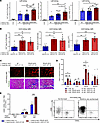
Atherosclerotic cardiovascular disease (ASCVD) remains a leading cause of death worldwide, with plaque instability being a major culprit. Phenotypic switching of vascular smooth muscle cells (VSMCs) is a central event in atherosclerosis, driving both plaque progression and stability, yet the underlying mechanisms are incompletely understood, limiting drug development targeting this process. Kinesin family member 13B (KIF13B) has been implicated in vascular biology, but its function in VSMCs is unknown. Here, we demonstrate that VSMC-specific deletion of Kif13b in mice overexpressing proprotein convertase subtilisin/kexin type 9 (PCSK9) exacerbates lesion development and impairs plaque stability, characterized by thinner fibrous caps and increased inflammation. Mechanistically, we determined that KIF13B facilitated the ubiquitination and proteasomal degradation of Krüppel-like factor 4 (KLF4) through the potassium channel tetramerization domain–containing 10–dependent (KCTD10-dependent) pathway. This KIF13B/KCTD10 axis reduced KLF4 protein levels, thereby inhibiting the proinflammatory responses and fibroblast-like transition of VSMCs to preserve their contractile phenotype. Importantly, the adverse effects of Kif13b deficiency on atherogenesis were effectively rescued by the small-molecule KLF4 inhibitor Kenpaullone. Our results unveil a VSMC-specific atheroprotective role for KIF13B, define the KIF13B/KCTD10/KLF4 pathway as a key regulatory axis governing VSMC fate and plaque stability, and validate the therapeutic potential of KIF13B for treating advanced atherosclerosis.
Authors
Guolin Miao, Yufei Han, Jingxuan Chen, Yiran Liu, Ge Zhang, Shaotong Pei, Yinqi Zhao, Yitong Xu, Liwen Zheng, Zhaoling Li, Xiangru Liu, Sijing Shi, Xuya Kang, Yahan Liu, Ling Zhang, Wei Huang, Yuhui Wang, Junnan Tang, Erdan Dong, Xunde Xian
×Abstract
Chordomas are rare malignant osseous neoplasms with a striking rate of recurrence. Primary chordomas typically originate from embryonic notochord remnants, whereas recurrent chordomas usually stem from tumor cells infiltrating bone or cartilage after surgery. Clinically, the recurrent chordomas exhibit a stiffer extracellular microenvironment (ECM) than primary tumors. Intriguingly, this study identified cytoskeleton rearrangement, stress fiber reorganization, enhanced stemness, and Notch signaling activation in recurrent chordoma tissues or cell lines surviving stiff substrates, indicating the critical roles of mechanical remodeling and tumor stemness in stiffness resistance. We propose a potentially novel recurrence model where tumor cells experience mechanoadaptive organization, which enables them to resist stiff microenvironment-induced cell death. O-GlcNAcylation of Notch1 intracellular domain (NICD1) is central to this process. Mechanistically, the stiff ECM-driven ligand-independent phosphorylation of EPHA2 sequentially activated LYN kinase and subsequently triggered O-linked N-acetylglucosamine (O-GlcNAc) transferase (OGT) activity by phosphorylating Y989 and Y418, critical residues for OGT glycosyltransferase activity; this induced NICD1 O-GlcNAcylation at T2063, T2090, and S2162, specifically promoting transcription of mechanical and stemness-related genes. MIR31 deletion upregulated LYN, enhancing stiffness perception and promoting O-GlcNAc addition to NICD1, finally resulting in mechanoadaptation- and tumor stemness–driven recurrence. Consequently, MIR31 deletion is a potential biomarker for recurrence and patient stratification in Notch- or OGT-targeted therapies.
Authors
Chengjie Lian, Weiyan Peng, Peiqiang Su, Yan Ye, Jialing Liu, Dongsheng Huang, Xuejuan Sun, Yi Pu, Zhiheng Liao, Xudong Wang, Zhu Qiu, Shanshan Wu, Lei Liu
×Abstract
Radiotherapy (RT) is a central treatment for prostate cancer (PCa), relying on the induction of DNA double-strand breaks (DSBs). Tumor ability to repair these breaks limits RT efficacy, making DSB repair inhibitors potential radiosensitizers. However, many of these inhibitors lack tumor specificity and harm normal cells. Therefore, tumor-specific radiosensitization strategies are critically needed for PCa. Approximately 50% of PCa cases harbor the TMPRSS2-ERG gene fusion, leading to overexpression of the ERG transcription factor (ERG+). In this study, we demonstrate that ERG+ tumors shift DSB repair toward the poly(ADP-ribose) polymerase 1–dependent end-joining (PARP1-EJ) pathway. Proteomic and Western blot analyses revealed elevated PARP1, XRCC1, and LIG3 levels in ERG+ cells. Notably, PARP inhibition with olaparib increased residual γH2AX/53BP1 foci postirradiation in ERG+ cells, indicating enhanced radiosensitization. In tissue slice cultures (TSCs) from 53 tumors of patients with high-risk PCa, olaparib selectively increased γH2AX/53BP1 foci selectively in ERG+ samples. ERG+ patient–derived organoids also showed significantly delayed growth when treated with olaparib plus RT, compared with either treatment alone. Interestingly, ERG-negative cells within ERG+ TSCs were similarly radiosensitized by olaparib, likely through bystander effect, with residual 53BP1 foci levels comparable to those in ERG+ cells. This was confirmed by medium exchange experiments. These findings suggest that ERG expression promotes dependency on the PARP1-EJ pathway, rendering ERG+ PCa more susceptible to PARP inhibition. This supports combining PARP inhibitors with RT for tumor-selective radiosensitization in ERG+ patients.
Authors
Sabrina Köcher, Mohamed E. Elsesy, Ayham Moustafa, Wahid Mohammadi, Adriana Perugachi Heinsohn, Yamini Nagaraj, Su Jung Oh-Hohenhorst, Jan Hahn, Bente Siebels, Thomas Mair, Susanne Burdak-Rothkamm, Pierre Tennstedt, Ronald Simon, Tobias Lange, Derya Tilki, Thorsten Frenzel, Tobias Maurer, Cordula Petersen, Hartmut Schlüter, Carsten Bokemeyer, Gunhild von Amsberg, Kai Rothkamm, Wael Y. Mansour
×Abstract
Mutations in DNA mismatch repair (MMR) pathway genes (MSH2, MSH6, MLH1, and PMS2) are linked to acquired resistance to temozolomide (TMZ) and high tumor mutation burden (TMB) in high-grade gliomas (HGGs), including glioblastomas (GBMs). However, the specific roles of individual MMR genes in the initiation, progression, TMB, microsatellite instability (MSI), and resistance to TMZ in gliomas remain unclear. Here, we developed de novo mouse models of germline and somatic MMR-deficient (MMRd) HGGs. Surprisingly, loss of Msh2 or Msh6 did not lead to high TMB, MSI, nor did it confer a response to anti–programmed cell death 1 (anti–PD-1) in GBM. Similarly, human GBM showed discordance between MMR gene mutations and the TMB and MSI. Germline MMRd promoted the progression from low-grade to HGG and reduced survival compared with MMR-proficient (MMRp) tumor–bearing mice. This effect was not tumor cell intrinsic but was associated with MMRd in the tumor immune microenvironment, driving immunosuppressive myeloid programs, reduced lymphoid infiltration, and CD8+ T cell exhaustion. Both MMR-reduced (MMRr) and MMRd GBM were resistant to TMZ, unlike MMRp tumors. Our study shows that N3-(2-fluoroethyl) imidazotetrazine (KL-50), an imidazotetrazine-based DNA targeting agent that induces MMR-independent cross-link–mediated cytotoxicity, was effective against germline and somatic MMRr and MMRd GBMs, offering a potential therapy for TMZ-resistant HGG with MMR alterations.
Authors
Montserrat Puigdelloses Vallcorba, Nishant Soni, Seung-Won Choi, Kavita Rawat, Tanvi Joshi, Sam Friedman, Alice Buonfiglioli, Angelo Angione, Zhihong Chen, Gonzalo Piñero, Gabrielle Price, Mehek Dedhia, Raina Roche, Emir Radkevich, Anne M. Bowcock, Deepti Bhatt, Winfried Edelmann, Robert M. Samstein, Timothy E. Richardson, Nadejda M. Tsankova, Alexander M. Tsankov, Ranjit S. Bindra, Raul Rabadan, Juan C. Vasquez, Dolores Hambardzumyan
×Abstract
Stress promotes the progression from borderline hypertension to sustained hypertension, but the mechanism remains unclear. We investigated the role of corticotropin-releasing factor (CRF)-expressing neurons in the central nucleus of amygdala (CeA) on arterial blood pressure (ABP) and sympathetic activity of borderline hypertensive rats (BHRs) subjected to chronic unpredictable mild stress (CUMS). CUMS induced sustained hypertension, and led to increased delta-FosB expression as well as enhanced spontaneous and evoked firing of CeA CRF-expressing neurons in BHRs. Furthermore, optogenetic activation of CeA CRF-expressing neurons significantly increased the sympathetic outflow and ABP in BHRs. Impaired GABAergic inhibition, a depolarizing shift of GABA reversal potential (EGABA), disrupted chloride homeostasis and increased NKCC1 expression were observed in CeA CRF-expressing neurons in BHRs subjected to CUMS. NKCC1 inhibition with bumetanide restored GABAergic inhibition and chloride homeostasis, normalized neuronal excitability, leading to reduced sympathetic vasomotor tone in CUMS BHRs. These results indicate that NKCC1-mediated disruption of chloride homeostasis in CeA CRF-expressing neurons contributes to elevated sympathetic activity and hypertension under chronic stress. These findings enhance our understanding of the neuronal and molecular mechanisms underlying stress-induced hypertension and reveal potential targets for its prevention and treatment.
Authors
Hongyu Ma, Ying Zhang, Xinqi Guo, Qiyue Zhao, Peiyun Yang, Yan Liu, Yue Guan, Yan Wei, Huijie Ma
×Abstract
V-domain immunoglobulin suppressor of T cell activation (VISTA) is an immune checkpoint protein that impairs antitumor T cell responses. While broadly expressed on myeloid cells and T cells, the specific contribution of T cell–intrinsic VISTA to antitumor immunity remains undefined. This study investigated the phenotypic and functional consequences of T cell–specific VISTA deletion in tumor-specific CD8+ T cells. Single-cell transcriptomic analysis, TCR repertoire profiling, and flow cytometry revealed that loss of T cell–intrinsic VISTA enhanced early priming and short-term expansion of CD8+ T cells, yet this initial advantage failed to confer durable tumor control. Persistent dysfunction in VISTA-deficient T cells was in part driven by trans-VISTA on myeloid cells, while CTLA-4 upregulation further constrained T cell responses. T cell–intrinsic VISTA deficiency cooperated with CTLA-4 blockade to improve T cell survival and broaden TCR repertoire diversity, resulting in more robust tumor regression than CTLA-4 inhibition alone. A transcriptional signature enriched in VISTA-deficient cytotoxic T cells correlated with favorable outcomes in cancer patients treated with existing immune checkpoint inhibitors. These findings collectively define T cell–intrinsic mechanisms by which VISTA enforces T cell dysfunction and underscore its potential as both a therapeutic target and a biomarker of resistance to current immunotherapies.
Authors
Cassandra Gilmour, Elizabeth DeLaney, Prerana B. Parthasarathy, Dia Roy, Hieu M. Ta, Amin Zakeri, Paolo Elguera Grandez, Sachin Patnaik, Keman Zhang, Ivan Juric, Rahul Rangan, Zahraa Al-Hilli, Anthony Tufaro, Booki Min, Samuel E. Weinberg, Timothy A. Chan, Natalie L. Silver, Stefanie Avril, Tyler Alban, Li Lily Wang
×Abstract
Short-lived, clade-specific immune responses with limited mucosal priming are limitations of current COVID-19 mRNA vaccines. We have developed a nasal booster vaccine candidate that induced robust, sustained, cross-clade, systemic, and mucosal protective immunity. Two recombinant Clec9A-specific monoclonal antibodies fused to the receptor binding domain (RBD) from Omicron XBB.1.5 and SARS-CoV-1 were generated. In Comirnaty mRNA–vaccinated mice, boosting with both constructs combined (Clec9AOMNI) induced cross-clade neutralizing antibodies and T cell responses that were greater in magnitude and more sustained compared with bivalent Comirnaty (BC) mRNA vaccine booster. Persistence of RBD-specific follicular helper CD4+ T cells, germinal center B cells, and long-lived plasma cells that facilitated affinity maturation correlated with detection of triple cross-reactive B cells binding the RBDs of ancestral SARS-CoV-2, XBB.1.5, and SARS-CoV-1. Remarkably, intranasal boosting with Clec9AOMNI elicited robust and durable immunity across the upper and lower airways while concurrently boosting the systemic immunity to levels matching or exceeding those from systemic boosting. Correspondingly, Clec9AOMNI nasal booster conferred superior protection against SARS-CoV-2 challenge compared with BC mRNA booster, with undetectable viral titers in the respiratory tract. Hence, Clec9AOMNI is a promising nasal booster vaccine candidate that has the potential to mitigate pandemic threats from emerging sarbecoviruses.
Authors
Nicholas You Zhi Cheang, Wee Chee Yap, Kirsteen McInnes Tullett, Xinlei Qian, Peck Szee Tan, Kiren Purushotorman, Wan Yi Tan, Shirley Yun Yan Mah, Paul Anthony Macary, Chee Wah Tan, Mireille Hanna Lahoud, Sylvie Alonso
×Abstract
How β-catenin (βCat) mediates tissue hyperplasia is poorly understood. To explore this, we employed the adrenal cortex as a model system given its stereotypical spatial organization and the important role βCat plays in homeostasis and disease. For example, excessive production of aldosterone by the adrenal cortex (primary aldosteronism [PA]) is a major cause of cardiovascular morbidity and is associated with βCat gain of function (βCat-GOF). Adherens junctions (AJs) connect the actin cytoskeletons of adjacent zona glomerulosa (zG) cells via a cadherin–βCat–α-catenin complex and mediate aldosterone production. Whether βCat-GOF drives zG hyperplasia, a key feature of PA, via AJs is unknown. Here, we showed that aldosterone secretagogues (K+ and AngII) and βCat-GOF mediated AJ formation via Rho/ROCK/actomyosin signaling. In addition, Rho/ROCK inhibition led to altered zG rosette morphology and decreased aldosterone production. Mice with zG-specific βCat-GOF demonstrated increased AJ formation and zG hyperplasia, which was blunted by Rho/ROCK inhibition and deletion of α-catenin (αCat). βCat also impacted AJ formation independently of its role as a transcription factor. Furthermore, analysis of human aldosterone-producing adenomas revealed high levels of βCat expression were associated with increased membranous expression of K-cadherin. Together, our findings identified Rho/ROCK signaling and αCat as key mediators of AJ formation and βCat-driven hyperplasia.
Authors
Mesut Berber, Betul Haykir, Nick A. Guagliardo, Vasileios Chortis, Kleiton Silva Borges, Paula Q. Barrett, Felix Beuschlein, Diana L. Carlone, David T. Breault
×Abstract
MAP kinase kinase kinase kinase (MAP4K) family kinases are key kinases for T cell–mediated immune responses; however, in vivo roles of MAP4K2 in immune regulation remain unclear. Using T cell–specific Map4k2 conditional knockout (T-Map4k2 cKO) mice, scRNA-seq, and mass spectrometry analysis, we found that MAP4K2 interacted with DDX39B, induced forkhead box protein P3 (FOXP3) gene expression, and promoted Treg differentiation. Mechanistically, MAP4K2 directly phosphorylated the DEAD box protein DDX39B, leading to DDX39B nuclear translocation and subsequent Foxp3 RNA splicing. MAP4K2-induced FOXP3 mRNA levels were abolished in DDX39B knockout T cells. Furthermore, T-Map4k2 cKO mice displayed the reduction of Treg population and the sustained inflammation during remission phase of EAE autoimmune disease model. Remarkably, the anti–PD-1 immunotherapeutic effect on pancreatic cancer was significantly improved in T-Map4k2 cKO mice, Treg-specific Map4k2-deficient mice, adoptively transferred chimeric mice, or MAP4K2-inhibitor–treated mice. Consistently, scRNA-seq analysis of patients with pancreatic cancer showed increased MAP4K2 levels in infiltrating Treg cells. Collectively, MAP4K2 promotes Treg differentiation by inducing DDX39B nuclear translocation, leading to the attenuation of antitumor immunity.
Authors
Huai-Chia Chuang, Chia-Wen Wang, Chia-Hsin Hsueh, Yu-Zhi Xiao, Ching-Yi Tsai, Pu-Ming Hsu, Evelyn L. Tan, Hsien-Yi Chiu, Tse-Hua Tan
×Abstract
BACKGROUND Sepsis encompasses considerable biological and clinical heterogeneity. Previously, 2 phenotypes (“hyperinflammatory” and “hypoinflammatory”) have been consistently identified within sepsis via latent class analysis. These phenotypes differ in their biological features, clinical outcomes, and therapeutic responses to interventions. Prior studies of sepsis heterogeneity have focused primarily on the host response. Here, we investigate the potential influence of the causative pathogen on sepsis heterogeneity and pathobiology.METHODS We performed a retrospective observational analysis of 8,280 critically ill patients with sepsis to identify associations between pathogen characteristics and the hyperinflammatory and hypoinflammatory patient phenotypes. We also performed controlled murine and swine modeling of sepsis and lung injury and a secondary analysis of 449 patients enrolled in the EUPHRATES randomized controlled trial.RESULTS Pathogen characteristics (pathogen identity, burden, virulence, and anatomic site of infection) were strongly and independently associated with the previously reported phenotypes. In a cohort of critically ill patients with sepsis, infection with gram-negative pathogens, primarily Enterobacterales spp. (e.g., Escherichia coli, Klebsiella pneumoniae), was strongly associated with the hyperinflammatory phenotype. The hyperinflammatory phenotype was also independently associated with increased pathogen burden, virulence, and initial anatomic site of infection. In controlled murine and swine modeling, both the identity and burden of the pathogen provoked key biological features of the hyperinflammatory phenotype. Among patients with sepsis, the prognostic value of lactate clearance varied substantially by phenotype. In a secondary analysis of a randomized trial of polymyxin B hemoadsorption (which removes circulating endotoxin), hypoinflammatory patients experienced worse survival.CONCLUSIONS Our results demonstrate the central importance of pathogen features in the clinical and biological heterogeneity of sepsis. Future studies of sepsis pathobiology and heterogeneity should expand their scope beyond the host response, as understanding pathogen-host interactions will be crucial in the development of precision therapeutic strategies to improve patient outcomes.TRIAL REGISTRATION EUPHRATES trial NCT01046669.FUNDING 5P30AG024824, IK2CX002766, R01HL144599, K24HL159247, R01HL158626, R01HL173531, R35GM142992, R35GM145330, R35GM136312, K23HL166880, R35HL140026.
Authors
Rishi Chanderraj, Brian Bartek, Kathleen A. Stringer, Mohamad H. Tiba, Michael W. Sjoding, Ying He, Mark Nuppnau, Kale S. Bongers, Mark D. Adame, Sunny S. Lou, V. Eric Kerschberger, Matthew M. Churpek, Carolyn S. Calfee, Sandhya Tripathi, Debra M. Foster, John A. Kellum, Robert P. Dickson, Pratik Sinha
×Abstract
HIV/SIV-specific CD8+ T cell responses are typically unable to control viral rebound following antiretroviral therapy (ART) interruption (ATI). To investigate whether enhancing the magnitude and activation of SIV-specific CD8+ T cells at the time of ATI can improve the immune interception of reactivating SIV infections, we vaccinated SIVmac239-infected rhesus macaques (RMs) on ART, boosting immediately prior to ATI, with a nucleoside-unmodified mRNA vaccine expressing SIVmac239 Gag (mRNA/SIVgag) alone or in combination with Nef (mRNA/SIVnef) and Pol (mRNA/SIVpol). The mRNA/SIVgag vaccine was effective in boosting Gag-specific CD8+ T cells in blood and lymphoid tissues. Following ATI, the mRNA/SIVgag vaccine group showed a significant delay in time to measurable viral rebound compared with controls and manifested lower plasma viral loads (PVLs) for up to 6 weeks after rebound. Similarly, RMs that received mRNA/SIVgag, mRNA/SIVnef, and mRNA/SIVpol also manifested a delay in SIV rebound compared with controls, suggesting that boosting SIV-specific CD8+ T cells during ATI can enhance early immune targeting of reactivating SIV infections. However, viral control was not sustained long term as PVLs were similar across vaccinees and controls by 24 weeks after rebound, highlighting the need for adjunctive therapies to improve the durability of virologic control elicited by CD8+ T cell–targeting vaccines.
Authors
Were R. Omange, Benjamin D. Varco-Merth, Omo Fadeyi, Alejandra Marenco, Hiroshi Takata, Derick M. Duell, William D. Goodwin, Paula Armitage, Christine M. Fennessey, Emek Kose, Taina T. Immonen, Ewelina Kosmider, William J. Bosche, Randy Fast, Chris Homick, Kelli Oswald, Rebecca Shoemaker, Rachele Bochart, Rhonda MacAllister, Caralyn S. Labriola, Jeremy V. Smedley, Michael K. Axthelm, Paul T. Edlefsen, Brandon F. Keele, Jeffrey D. Lifson, Janina Gergen, Benjamin Petsch, Susanne Rauch, Louis J. Picker, Afam A. Okoye
×Abstract
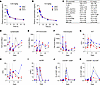
BACKGROUND Infection by Trypanosoma cruzi, the agent of Chagas disease, is endemic to the Americas and can irreparably damage the cardiac and gastrointestinal systems during decades of parasite persistence. Diagnosis of chronic infection requires confirmation by multiple serological assays due to the imperfect performance of existing tests. Current serology tests were developed using small specimen sets predominantly from South America, and lower performance has been observed in patients who acquired infection in Central America and Mexico.METHODS To improve Chagas disease serology, we evaluated antibody responses against the entire T. cruzi proteome with phage display immunoprecipitation sequencing and further evaluated high-prevalence antigens by immunoassay. We utilized specimen sets representing Mexico, Central America, and South America and varying cardiac disease presentations, from 185 cases and 143 controls.RESULTS We identified over 1,300 antigenic T. cruzi peptides. A trans-sialidase antigen demonstrated high seroprevalence across all regions and has not previously been described as a diagnostic target to our knowledge. Orthogonal validation of this peptide demonstrated increased antibody reactivity for infections originating from Central America.CONCLUSION This study provides proteome-wide identification of seroreactive T. cruzi peptides across a range of endemic populations not previously represented in antigen discovery and identifies a trans-sialidase peptide antigen (TS23) with potential for translation into diagnostic serological assays.FUNDING Chan Zuckerberg Biohub, the Chan Zuckerberg Biohub Physician-Scientist Fellowship Program, the NIH National Heart Lung and Blood Institute award K38HL154203, and the NIH Eunice Kennedy Shriver National Institute of Child Health and Human Development award F30HD117526.
Authors
Hannah M. Kortbawi, Ryan J. Marczak, Jayant V. Rajan, Nash L. Bulaong, John E. Pak, Wesley Wu, Grace Wang, Anthea Mitchell, Aditi Saxena, Aditi Maheshwari, Rachel Alfaro Leone, Charles J. Fleischmann, Emily A. Kelly, Evan Teal, Rebecca L. Townsend, Susan L. Stramer, Emi E. Okamoto, Jacqueline E. Sherbuk, Eva H. Clark, Robert H. Gilman, Rony Pedro Colanzi, Efstathios D. Gennatas, Caryn Bern, Joseph L. DeRisi, Jeffrey D. Whitman









In-Press Preview - More
Abstract
Glioblastoma (GBM) is a highly aggressive brain tumor characterized by extensive crosstalk between glioblastoma stem cells (GSCs) and immunosuppressive microglia, with our previous work identifying CLOCK and TFPI2 as key regulators of this interaction. Here, we uncover a ‘symbiotic exclusivity’ pattern between CLOCK and TFPI2, showing that despite mutually exclusive amplifications, they sustain symbiotic regulatory interactions in GBM. The CLOCK-BMAL1 complex transcriptionally upregulates TFPI2, while TFPI2-driven hypoxia inducible factor 1 alpha (HIF1a) signaling activates nuclear factor kappa B (NF-kB) P65 to upregulate the CLOCK-BMAL1 complex, creating a positive feedback loop to promote stemness, immunosuppression, and tumor progression. Disrupting the CLOCK-TFPI2 interplay through dual inhibition of their downstream effectors reduces GSC stemness and immunosuppressive microglia, activates antitumor immunity, and synergizes with anti-PD1 therapy to achieve complete tumor regression in 50-62.5% of tumor-bearing mice. This study uncovers a promising therapeutic strategy for a broader subset of GBM patients with high expression of either CLOCK or TFPI2, and provides a framework for identifying 'symbiotic exclusivity' genes in cancer.
Authors
Fei Zhou, Lizhi Pang, Yang Liu, Fatima Khan, Peiwen Chen
Abstract
Understanding susceptibility factors of sepsis is crucial for early diagnosis and development of personalized treatment strategies. However, the genetic determinants for initiation and progression of sepsis remain unclear. Here, we showed that the expression levels of estrogen receptor (ER) β are significantly reduced in the peripheral blood of sepsis patients, which were negatively correlated with disease severity. The results from human samples and experimental animals demonstrated that ERβ deficiency enhances the body's susceptibility to sepsis by inducing macrophage pyroptosis, thereby impairing bacterial clearance. Mechanistically, ERβ deficiency enhanced fatty acid oxidation, increased acetyl-CoA levels, and promoted acetylation of stomatin-like protein 2 (Stoml2) at K221, leading to mitochondrial dysfunction and macrophage pyroptosis. Mutating the Stoml2 K221 site mitigated these effects and improved survival of septic mice. These findings suggest ERβ deficiency as a potential genetic factor in sepsis susceptibility.
Authors
Yanrong Zhu, Gang Li, Yilei Guo, Yue He, Wanyi Zhang, Lei Gao, Jing Zhang, Pengxiang Guo, Haochang Lin, Wenjie Zhang, Zhifeng Wei, Yufeng Xia, Yue Dai
Abstract
Airway mucus clearance from the lungs occurs by two widely recognized mechanisms: cilia-mediated clearance and high-velocity airflow-mediated cough clearance. However, a potentially important third mechanism of mucus clearance, referred to as cilia-independent gas-liquid transport (GLT), was proposed based on in vitro model systems to occur during normal tidal breathing, but has largely been overlooked. To investigate the role of tidal breathing airflow rates in mucus clearance, we conducted a series of in vitro and in vivo studies. An in vitro airway culture bead-tracking model demonstrated airflow-dependent mucus transport at tidal breathing flow rates. As with other modes of mucus clearance, GLT was critically dependent on mucus concentration. In vivo studies in cilial beat-deficient mice demonstrated that GLT-mediated mucus clearance occurs during tidal-breathing in the absence of cough, and the rate of GLT mucus clearance was dependent on breathing frequency and body orientation. These studies demonstrated that GLT represents a third mechanism of mucus clearance and likely represents a significant mode of clearance in persons with cilial dysfunction. These findings indicate that increasing breathing rates through exercise, using mucus rehydrating agents or mucolytics, or combining these approaches may restore clinically and physiologically meaningful airway clearance in these patients.
Authors
Siddharth K. Shenoy, Mark Gutay, Ian Brown, Troy D. Rogers, Kane Banner, Nico Olegario, Nicholas Griffin, Henry P. Goodell, Bryan Yoder, David S. Lalush, David A. Edwards, Richard C. Boucher, Barbara R. Grubb, Brian Button
Abstract
Gemcitabine-based chemotherapy is the standard treatment regime for advanced intrahepatic cholangiocarcinoma (iCCA), but the frequent presence of chemoresistance limits its efficacy. Here, we identified isocitrate dehydrogenase 1 (IDH1) as the crucial target that confers chemoresistance of iCCA to gemcitabine using a druggable CRISPR/Cas9 library. The positive association between IDH1 expression and chemoresistance was revealed in a gemcitabine-treated iCCA cohort and cell-based drug sensitivity assays. Utilizing patient-derived organoids, cell line-derived xenografts, and patient-derived xenografts, we demonstrated that IDH1 knockdown or IDH1 pharmacological inhibition facilitated gemcitabine efficacy in these pre-clinical iCCA models carrying wild-type IDH1 (wtIDH1). Mechanistically, wtIDH1 oxidizes isocitrate to generate α-ketoglutarate and NADPH, thereby coping with the oxidative stress induced by gemcitabine, maintaining cellular redox homeostasis, and ultimately leading to their chemoresistance to gemcitabine. Significantly, ivosidenib, the FDA-approved allosteric IDH1 inhibitor, demonstrated synergistic anti-tumor efficacy with gemcitabine in wtIDH1 pre-clinical iCCA models through boosting intracellular oxidative stress under physiological conditions. The low level of Mg2+, an ion that competitively hinders binding of ivosidenib on wtIDH1, in iCCA tumor microenvironment contributed to the expanded therapeutic window of ivosidenib in patients with iCCA. Our work revealed the potency of combining targeting IDH1 and chemotherapy against wtIDH1 iCCA and other tumors.
Authors
Xiuxian Li, Zhixiao Song, Shusheng Lin, Man Luo, Shaoru Liu, Yang Liu, Fapeng Zhang, Leibo Xu, Chao Liu, Honghua Zhang
Abstract
Cellular and molecular heterogeneity in the liver has been increasingly recognized to drive liver fibrosis progression, but the particular events that occur initially in response to liver injury and trigger the immune cell recruitment remain unclear. Here, we identify epigenetically aberrant liver sinusoidal endothelial cells (LSECs) as key players in this process. Mechanistically, the epigenetic readers like bromodomain-containing protein 4 (BRD4)-dependent super-enhancers (SEs) activate proinflammatory genes, including promyelocytic leukemia (PML). PML in turn binds BRD4 and amplifies proinflammatory angiocrine signaling through phase separation-dependent SE-activation via PML/BRD4 condensate formation. In mouse models, LSEC-specific depletion of the PML/BRD4 complex mitigates liver inflammation and fibrosis. Single-cell RNA-sequencing reveals that epigenetically aberrant LSECs exhibit a reprogrammed proinflammatory angiocrine landscape in mouse fibrotic livers. TIMP1+ LSECs promote the recruitment of CD63+ monocyte-derived macrophages (MoMFs) during liver fibrosis progression. Thereby, PML/BRD4 in LSECs governs inflammatory immune cell recruitment in liver fibrosis. Pharmacological BRD4 inhibition or epigenetic PML-SE repression alleviates liver inflammation and fibrosis. In conclusion, PML/BRD4-mediated SE activation via phase separation drives proinflammatory angiocrine signaling in LSECs, initiating the inflammatory cascade and subsequent immune cell recruitment during liver fibrosis.
Authors
Can Gan, Enjiang Lai, Yang Tai, Shuai Chen, Chong Zhao, Wenting Dai, Zhu Yang, Bei Li, Tian Lan, Yang Xiao, Yangkun Guo, Jiaxin Chen, Bo Wei, Zhaodi Che, Sheng Cao, Mengfei Liu, Frank Tacke, Chengwei Tang, Vijay H. Shah, Haopeng Yu, Fei Wang, Zhiyin Huang, Jinhang Gao
View more articles by topic:
Sign up for email alerts
Review Series - More
Neurodegeneration
Series edited by
Neurodegenerative diseases are devastating progressive conditions, many which lack effective therapies. This series of reviews, curated by Dr. Craig Blackstone, focuses on common themes across neurodegenerative disease pathophysiology, and explores recent advances in technology that have improved our understanding of these conditions and may lead to the development of new therapeutic approaches.
×


Copyright © 2026 American Society for Clinical Investigation
ISSN: 0021-9738 (print), 1558-8238 (online)