
Emerging therapeutic strategies in breast cancer
Series edited by Rinath Jeselsohn
Breast cancer is the most common cancer in women worldwide, with more than 2 million women diagnosed each year. This series of reviews, curated by Dr. Rinath Jeselsohn, highlights recent breakthroughs in therapeutic development that are changing the outlook for breast cancer patients, including improvements in immunotherapy, antibody-drug conjugates, endocrine therapies, and kinase inhibitors.
Articles in series
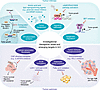
Abstract
Despite growing recognition of invasive lobular carcinoma (ILC) as a biologically and clinically distinct subtype of breast cancer, ILC remains understudied. Most contemporary therapeutic trials continue to enroll patients predominantly with invasive ductal carcinoma/invasive carcinoma of no special type and rarely stratify by histology. As a result, ILC’s unique disease biology, characteristic loss of E-cadherin function, diffuse growth pattern, and distinct metastatic tropism remain underrepresented in evidence that guides systemic therapy recommendations. In this Review, we examine key molecular alterations and emerging therapeutic targets in ILC, emphasizing recent preclinical discoveries that identify subtype-specific therapeutic vulnerabilities and guide the development of histology-specific treatment approaches for this unique disease. In combination with endocrine therapies, effective targeting in ILC may require a multilayered strategy that extends beyond genomic alterations to leverage ILC’s specific estrogen receptor–associated proteins, metabolism, and tumor microenvironment. Future clinical trial frameworks incorporating prespecified ILC cohorts, tailored endpoints, and coclinical approaches enabling parallel testing in patients and patient-derived models could help accelerate the development and evaluation of ILC-targeted therapeutics.
Authors
Kristina A. Fanucci, Shaymaa Bahnassy, Arya Mariam Roy, Anna Sokolova, Daniel G. Stover, Peter T. Simpson, Rebecca B. Riggins, Rinath Jeselsohn
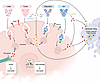
Abstract
Antibody-drug conjugates (ADCs) have transformed the treatment landscape of breast cancer and redefined the conceptual distinction between targeted therapy and conventional chemotherapy. Originally conceived as “magic bullets” that selectively deliver cytotoxic warheads to antigen-expressing tumor cells, clinical and mechanistic evidence indicates that ADC activity depends on a broader interplay of target-dependent and target-independent mechanisms, including extracellular payload release, bystander killing, off-tumor uptake, and immune modulation. Here, we examine ADCs in breast cancer as a distinct therapeutic paradigm. We discuss how antigen biology, linker chemistry, payload features, and drug-to-antibody ratio collectively determine efficacy, toxicity, and therapeutic index. We then compare currently approved and emerging HER2- and TROP2-directed ADCs, highlighting how differences in linker stability, payload pharmacology, and bystander capacity can affect clinical outcomes in ADCs sharing the same target. We further discuss the biological basis and translational challenges of de novo and acquired resistance related to targets, payloads, and tumor microenvironmental constraints, as well as the implications of these mechanisms for biomarker development, sequencing rationales, and combination strategies with immune checkpoint inhibitors and DNA repair–targeting therapies. Finally, we outline future directions of ADC development, including expansion of the target space, novel payload modalities, and next-generation antibody and conjugation engineering.
Authors
Chenxu Guo, Leif W. Ellisen
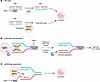
Abstract
Homologous recombination repair deficiency (HRD) occurs in approximately 10% of breast tumors and represents a major targetable vulnerability across multiple cancer types. Impairment of the homologous recombination DNA repair pathway — arising through somatic and germline mutations in homologous recombination repair genes, epigenetic mechanisms, and transcriptomic changes — leads to genomic instability and a reliance on error-prone repair mechanisms. Poly (ADP-ribose) polymerase (PARP) inhibitors harness the synthetic lethality of HRD and PARP inhibition, with current approvals encompassing both early-stage and advanced breast cancer in patients with germline BRCA1/2 (gBRCA1/2) mutations. However, emerging evidence suggests efficacy of PARP inhibitors beyond gBRCA1/2-mutated breast cancer to tumors with other homologous recombination repair defects that confer a “BRCAness” phenotype. This Review examines opportunities to broaden the use of PARP inhibitors in breast cancer and underscores the importance of innovative biomarkers, combination strategies, and next-generation agents to maximize therapeutic impact.
Authors
Charlotte S. Walmsley, Adela Rodriguez, Panagiotis A. Konstantinopoulos, Geoffrey I. Shapiro, Sara M. Tolaney, Judy E. Garber, Filipa Lynce
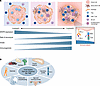
Abstract
Immunotherapy has revolutionized the therapeutic landscape for many cancers, but its application in solid tumors has lagged. There is now evidence that immunotherapy can improve outcomes in triple-negative breast cancer, but hormone receptor–positive (HR+) breast cancer has traditionally been considered immunologically cold. However, emerging evidence challenges this binary paradigm, suggesting that a biologically relevant subset of HR+/human epidermal growth factor receptor 2–negative (HER2–) tumors exhibit meaningful immunogenic features and clinically relevant sensitivity to immune-based treatment. In this Review we summarize the current understanding of immunogenicity and clinical use of immune-based treatments across breast cancer subtypes. We argue for a broader view of a spectrum of breast cancer immunogenicity and highlight the importance of host factors, including parity and lactation history, in shaping antitumor immunity. Improved identification of immunologically active subsets and deeper mechanistic insight will be essential to expand the therapeutic benefit of immunotherapy to broader patient cohorts and to refine care of patients with breast cancer.
Authors
Jasmine Kay, Julia R. Dixon-Douglas, Michael A. Harris, Courtney T. van Geelen, Sherene Loi


Copyright © 2026 American Society for Clinical Investigation
ISSN: 0021-9738 (print), 1558-8238 (online)